
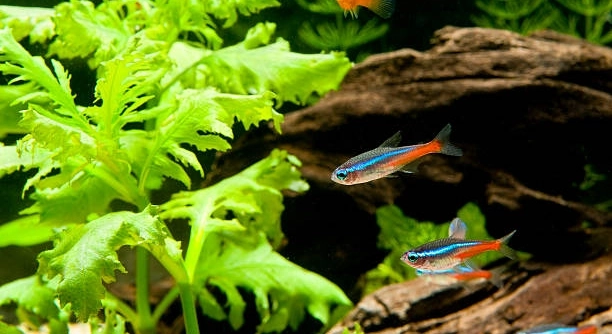
Is your tetra suddenly showing signs of aggression, making your peaceful aquarium feel tense? Many fish owners notice this change and wonder what could be causing such unusual behavior. Understanding the reasons behind aggression helps keep your fish healthy and calm.
Tetra aggression can result from various causes such as overcrowding, poor water quality, lack of hiding spaces, stress, improper diet, breeding behavior, or territorial disputes. Identifying the exact cause is key to managing and reducing this aggressive behavior effectively.
Knowing what triggers aggression in your tetra will help you create a better environment for them. The following explanations will guide you through the common causes and how to address each one.
Overcrowding in the Tank
Overcrowding is one of the most common reasons why your tetra might act aggressively. When too many fish share a small space, they compete for territory, food, and oxygen. This competition can make normally peaceful fish become hostile. Tetras are small, active fish that need enough room to swim freely. When space is limited, their stress levels rise, and aggressive behavior appears as a way to claim dominance. Overcrowded tanks also make it harder for shy fish to hide, increasing tension in the group. Keeping a balanced number of fish per tank size helps reduce this problem. Regularly checking the tank population and giving your tetras enough space will support a calmer environment and healthier fish overall.
Limiting fish numbers and increasing swimming space usually decreases aggression quickly. Proper tank size is important to avoid stress-related fighting.
Giving your tetra enough room means not just avoiding fights, but improving their quality of life. When fish can swim and explore freely, they are less likely to show stress-related aggression.
Water Quality and Its Effect
Poor water quality can quickly lead to stress and aggressive behavior in tetras.
Tetras are sensitive to changes in their environment, especially water conditions. Dirty water, high ammonia, or fluctuating pH levels can upset their balance and cause discomfort. This stress sometimes shows as aggression, as they become more defensive or irritable. Regular water testing and changes keep their habitat healthy and stable. A clean tank means happier fish and fewer behavior problems. Keeping the water temperature steady and maintaining proper filtration also help reduce stress and aggression. Good water quality supports overall fish health and prevents many common aquarium issues.
Regular testing and partial water changes prevent toxins from building up and keep your tetra’s environment safe. Without these steps, aggression can become persistent. Making water quality a priority gives your fish a comfortable home, which naturally lowers stress and conflict. Consistency is key, and small weekly changes often make a big difference in how your tetras behave.
Lack of Hiding Spaces
Tetras need places to hide to feel secure. Without enough hiding spots, they become stressed and may act aggressively.
When your tank lacks plants, decorations, or caves, tetras have nowhere to retreat. This constant exposure can make them feel vulnerable, leading to territorial or defensive behavior. Adding natural elements like live plants or artificial shelters breaks up open space and gives each fish a safe spot. These hiding places reduce stress and help lower aggression levels. It also allows shy tetras to rest and recover, which improves their mood and social interactions.
Creating a varied environment with plenty of hiding spots benefits all fish in the tank. It helps balance the hierarchy and reduces fights over territory. Tetras tend to be less aggressive when they have space to escape or observe without feeling threatened. Regularly rearranging or adding new decorations can also keep their environment interesting and comfortable, which supports calmer behavior overall.
Improper Diet
Feeding your tetra the wrong food or not enough can increase aggressive behavior.
A poor diet affects your tetra’s health and mood, making it more likely to act out. Lack of essential nutrients weakens their immune system and causes stress. Overfeeding or feeding low-quality food can also lead to aggression, as fish compete for limited resources or feel uncomfortable. Tetras need a balanced diet rich in proteins, vitamins, and minerals. Including a mix of flakes, pellets, and occasional live or frozen food keeps them healthy and satisfied. Feeding small amounts multiple times a day mimics their natural habits and prevents hunger-driven fighting.
Ensuring proper nutrition supports your tetra’s physical health and reduces irritability. When their dietary needs are met, they are calmer and more sociable. Observing their feeding behavior can help spot issues early, such as food aggression or refusal to eat. Adjusting the diet and feeding routine can make a noticeable difference in their behavior, helping maintain harmony in your aquarium.
Stress from Tank Mates
Certain tank mates can cause stress for tetras, leading to aggression. Aggressive or territorial fish may intimidate them.
Choosing peaceful companions helps reduce tension. Avoid larger or highly aggressive species that compete for space or food with your tetras.
Breeding Behavior
During breeding periods, tetras can become more aggressive. Males often compete for females and defend spawning sites. This natural behavior can lead to temporary increases in chasing and nipping. It usually settles once breeding is over. Providing plenty of hiding spots helps reduce stress during this time.
Territorial Disputes
Tetras sometimes establish small territories within the tank. When space is limited, disputes arise. Offering enough room and hiding places helps minimize conflicts.
FAQ
Why is my tetra chasing other fish?
Chasing is often a sign of establishing dominance or defending territory. This behavior can increase if the tank is crowded or if there are not enough hiding spaces. It can also happen during breeding, when males compete for females. Ensuring enough space and adding decorations can reduce chasing.
How can I tell if my tetra is stressed?
Signs of stress include rapid breathing, hiding more than usual, loss of appetite, and sudden aggression. Stress can come from poor water quality, overcrowding, or aggressive tank mates. Monitoring these signs early helps prevent bigger health problems.
Is aggression normal in tetras?
Tetras are generally peaceful but can show aggression when stressed, crowded, or during breeding. Mild aggression is normal in some species, especially when defending territory. However, persistent aggression usually signals a problem in the environment.
How often should I clean my tetra tank?
Partial water changes of 20-30% should happen weekly or biweekly to keep water clean. Removing waste and testing water parameters regularly reduces stress and aggression. Avoid full cleanings unless absolutely necessary, as this can disturb beneficial bacteria.
Can diet affect tetra behavior?
Yes, poor nutrition can cause irritability and aggression. Feeding a balanced diet with quality flakes, pellets, and occasional live or frozen food keeps tetras healthy and less likely to fight. Overfeeding can also cause aggression during feeding time.
What tank size is best for tetras?
A minimum of 20 gallons is recommended for a small school of tetras. Larger tanks reduce stress by providing more space and minimizing territorial disputes. Overcrowding in smaller tanks often leads to aggressive behavior.
How many tetras should be kept together?
Tetras are schooling fish and do best in groups of at least six. Smaller groups can cause stress and aggression because the fish feel vulnerable. Keeping a larger school promotes natural behavior and reduces fighting.
Can adding plants reduce aggression?
Yes, live or artificial plants create hiding spots and break up open spaces. This helps tetras feel secure and lowers aggression. Plants also improve water quality, which supports calmer behavior.
What should I do if aggression doesn’t stop?
If aggression continues despite good water quality, proper diet, and enough space, consider rearranging the tank or separating aggressive individuals. Sometimes changing tank mates or increasing hiding places is needed to restore peace.
Do tetras have favorite companions?
Tetras prefer peaceful fish that swim at similar levels. Avoid aggressive or much larger species that may bully or stress them. Suitable companions include other small schooling fish like rasboras or peaceful bottom dwellers like Corydoras.
How can I reduce breeding aggression?
Providing plenty of plants and hiding spots helps reduce stress during breeding. Separating males or moving eggs to a breeding tank can protect other fish from aggression. Once breeding is complete, aggression usually decreases.
Is lighting important for tetra behavior?
Proper lighting helps maintain a natural day-night cycle. Too bright or constant light can stress tetras, increasing aggression. Using a timer to mimic natural light cycles supports calmer fish.
Can water temperature affect aggression?
Tetras thrive in temperatures between 72-78°F. Temperatures outside this range can cause stress and aggressive behavior. Keeping water stable within the ideal range is important for their health and mood.
What signs show a fish is being bullied?
Look for torn fins, faded colors, hiding often, or reduced movement. Bullied fish may lose weight or stop eating. Address bullying quickly by adjusting tank conditions or separating aggressive fish.
How important is tank maintenance?
Regular maintenance keeps the environment stable and comfortable. Neglect can lead to poor water quality, stress, and aggression. Simple tasks like cleaning filters, checking water, and removing debris help maintain peace.
Final Thoughts
Understanding why your tetra acts aggressive is important for keeping a healthy aquarium. Aggression usually signals that something in their environment needs attention. It could be overcrowding, poor water quality, or even lack of hiding places. Identifying the cause early can help you take the right steps to calm your fish. When tetras feel safe and comfortable, they are less likely to fight. Maintaining good tank conditions is the first step toward peaceful fish behavior.
Taking care of your tank regularly also plays a big role in managing aggression. This means testing the water often, changing it when needed, and keeping the tank clean. Feeding your tetras a balanced diet and not overcrowding the tank will also help. Adding plants or decorations gives fish a chance to hide and feel secure. These small changes can make a big difference in how your tetras act. Aggression often decreases when their needs are met and stress is lowered.
Remember that some level of aggression can be normal, especially during breeding or when fish are setting boundaries. However, ongoing fighting is not healthy and should not be ignored. If you continue to see problems, changing tank mates or rearranging the tank may be necessary. Keeping your tetra happy requires attention to their environment and behavior. By paying close attention and making adjustments, you can create a peaceful and thriving home for your fish.

Hello,
If you enjoy the content that we create, please consider saying a "Thank You!" by leaving a tip.
Every little bit helps us continue crafting quality advice that supports the health, happiness, and well-being of pets around the world, for pets of all shapes, sizes, and species.
We really appreciate the kindness and support that you show us!