
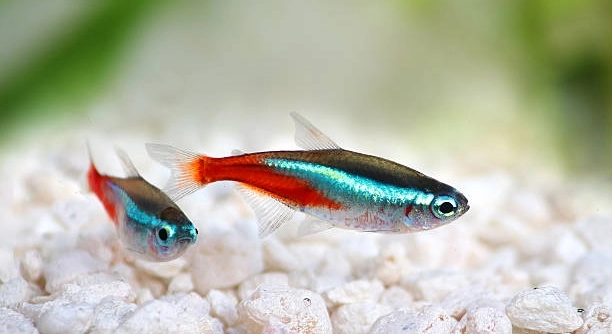
Is your tetra moving in strange patterns, swimming upside down, or darting back and forth more than usual? These behaviors can be surprising, especially if your fish usually swims calmly and smoothly in its tank.
The most common reason your tetra is swimming weird is due to stress, which can be caused by poor water quality, sudden temperature changes, or illness. Identifying the cause early is important to prevent long-term health problems.
Simple changes to your tank setup or care routine can make a big difference. Let’s explore the most common causes and how you can fix them.
Poor Water Quality
Poor water quality is one of the most common reasons tetras start swimming in strange ways. If the ammonia, nitrite, or nitrate levels in the tank are too high, your fish can become stressed or even sick. Tetras are sensitive to changes in their environment, so even small imbalances can have an effect. Dirty water or sudden spikes in toxins may cause erratic swimming, gasping near the surface, or hiding in corners. Using a good water test kit at least once a week helps catch problems early. Clean the tank regularly, replace 25–30% of the water weekly, and avoid overfeeding. Uneaten food and waste can build up quickly and make the tank unhealthy. A well-maintained filter is also key to keeping things stable. Pay close attention to temperature and pH, as fluctuations can cause stress and strange swimming patterns. Keeping the tank clean and balanced helps your tetra stay calm and healthy.
A stressed tetra may appear twitchy, swim in circles, or remain still at the bottom of the tank. These are early signs of discomfort.
Consistency is very important. Try to stick to a regular cleaning schedule and test your water often. If levels go off balance, take action right away to protect your fish.
Swim Bladder Issues
Swim bladder problems can cause your tetra to lose control over its movement. It may float on its side, struggle to stay upright, or sink to the bottom.
Swim bladder disorder is often caused by constipation, gulping air during feeding, or poor diet. Tetras with this condition may look like they’re swimming upside down or having trouble staying in one place. A simple fix is to stop feeding for 24–48 hours, then offer a peeled, cooked pea (cut into tiny pieces) to help clear their digestive system. Overfeeding is a big reason for this issue, so try feeding small amounts once or twice a day. Also, avoid floating foods that cause air swallowing. If the problem continues, check water quality and consider isolating the fish for observation. Sometimes a bacterial infection is involved, and treatment may be needed. Adjusting the diet and watching feeding habits can go a long way in preventing this problem from coming back.
Aggressive Tank Mates
Aggressive tank mates can cause constant stress and fear in tetras, leading to sudden movements, hiding, or odd swimming behavior. Even semi-aggressive fish can trigger anxiety if they chase or nip at your tetras too often.
Stress from bullying causes tetras to dart around quickly, stay near the surface, or hide behind decorations. Over time, this can weaken their immune system and make them sick. It’s important to observe how fish interact, especially after adding new ones. If you notice chasing, fin nipping, or one fish always being isolated, it may be time to separate them. Use tank dividers if needed or move the aggressor to another tank. Try to keep peaceful species together and avoid overcrowding. Tetras do best in schools of their own kind, as this helps them feel safe. A calm tank leads to more natural behavior and a healthier environment overall.
Choose tank mates carefully. Peaceful community fish like guppies, corydoras, and rasboras are good companions. Avoid larger or territorial species like barbs or cichlids. Even if aggression isn’t obvious, subtle chasing or space competition can cause anxiety in smaller fish like tetras. Stick to a well-researched list of compatible fish to keep things peaceful and balanced in your aquarium.
Disease or Parasites
Illness can affect how a tetra swims, especially if the disease weakens muscles or damages the nervous system. External parasites may also irritate the skin or gills, leading to darting or rubbing against surfaces.
Common signs include clamped fins, faded color, white spots, or labored breathing. If you notice any of these, separate the sick fish and begin treatment. Early action is important. Treating the whole tank with general medications like antifungal or anti-parasitic solutions may be helpful if multiple fish show symptoms. Clean water and a low-stress environment support recovery. It’s best to quarantine new fish for at least two weeks before adding them to the main tank, as this prevents spreading unseen infections. Always wash your hands and equipment between tanks to reduce contamination risks. With close observation and quick treatment, many health issues can be managed before they become serious.
Sudden Changes in Water Temperature
Sudden drops or spikes in temperature can shock your tetra’s system. This often causes erratic swimming, floating near the surface, or staying at the bottom. Tetras need stable temperatures to feel safe and function normally in their environment.
A reliable aquarium heater and thermometer help avoid sudden shifts. Perform water changes using water that matches the tank’s temperature.
Overstimulation from Lighting or Reflections
Too much light or sharp reflections on the glass can confuse or stress your tetra. Bright lights may cause frantic swimming or constant hiding. Try using a softer light and adding background paper to reduce glare. Adjusting your tank’s lighting can quickly improve their behavior.
Boredom or Lack of Enrichment
Tetras in plain tanks with no plants, hiding spots, or stimulation may act restless or bored. Adding live plants, gentle decorations, or moving items around gives them more to explore and helps reduce odd swimming patterns.
FAQ
Why is my tetra swimming in circles nonstop?
Tetras may swim in circles when they’re stressed or disoriented. This can happen if the water parameters are off or if they’re reacting to a sudden change in their environment. Another reason could be the presence of toxins like ammonia or nitrites. Check your water immediately using a test kit and perform a partial water change if needed. Also, look for signs of bullying or an overcrowded tank, as this can make your tetra feel unsafe. If the water is clean and the tank mates are peaceful, watch closely for other signs of illness or parasites.
Can poor diet affect how my tetra swims?
Yes, poor diet can lead to health problems that affect swimming behavior. Feeding only one type of food or using low-quality flakes can cause nutritional deficiencies. This weakens the fish and can lead to swim bladder problems, constipation, or general lethargy. Make sure your tetra gets a varied diet that includes high-quality flakes, micro-pellets, and the occasional frozen or live food like brine shrimp or daphnia. If your tetra is already showing signs of trouble swimming, try fasting for a day, then offer a blanched, peeled pea cut into small pieces to help clear out their system.
How do I know if my tetra is stressed?
Signs of stress in tetras include erratic swimming, hiding, rapid gill movement, loss of color, or skipping meals. Stress can come from poor water quality, sudden temperature changes, or being kept alone. Tetras are schooling fish and feel more secure in groups of at least six. Keeping them in smaller numbers may cause anxiety and strange behavior. Always test your water, check the heater, and make sure the tank isn’t too small or overstocked. A calm, well-kept environment helps reduce stress and supports natural swimming behavior.
Is it normal for a tetra to swim at the top of the tank?
It depends. If your tetra swims near the top briefly during feeding, that’s fine. But if it stays there all the time or gasps at the surface, it may be trying to get more oxygen. Poor water quality or low oxygen levels can cause this behavior. Check your filter and consider adding an air stone to improve oxygen flow. Make sure the temperature isn’t too high, as warm water holds less oxygen. Also, avoid overcrowding, which can reduce oxygen levels quickly.
What should I do if only one tetra is swimming weirdly?
Start by separating the fish into a quarantine tank to monitor it closely. This helps prevent the possible spread of disease. Look for physical signs like white spots, bloating, or damaged fins. If nothing obvious shows up, test the water in the main tank to rule out poor conditions. It may also be that the fish is being bullied or simply feeling isolated if it’s the only one left from a school. Consider adding more tetras if it’s alone. Keep the fish in a quiet, clean tank and watch for changes.
Can my tetra be sick even if water conditions are fine?
Yes, sometimes illness isn’t related to the water. Internal infections, parasites, or injuries from tank mates can all affect how a tetra moves. Bacterial infections can cause swelling, sluggish movement, or loss of balance. Parasites may lead to flashing (rubbing on decorations) or constant twitching. Use a broad-spectrum treatment if you’re unsure what you’re dealing with. A clean tank supports recovery, but direct treatment is often needed.
Do tetras need decorations and plants to swim normally?
Yes, they feel safer and more relaxed in a well-decorated tank. Tetras enjoy exploring plants and hiding behind decorations. When the tank is bare, they may act anxious, swim erratically, or group tightly in one area. Live plants are especially helpful because they make the environment feel more natural. Floating plants can also help block harsh lighting, which tetras often dislike. A mix of open space and hiding areas helps your fish feel secure and encourages natural swimming.
Why does my tetra twitch when it swims?
Twitching may be a sign of irritation, which can come from external parasites, poor water quality, or sensitivity to sudden changes. Check the water parameters and make sure there’s no chlorine or toxins in the tank. If the water is clean, consider using a parasite treatment. Twitching paired with flashing or clamped fins is often a sign of early illness, so quick action is helpful. Always quarantine new fish and avoid introducing unclean plants or decorations to reduce the chance of parasite outbreaks.
How long does it take for swimming behavior to go back to normal?
This depends on the cause. If it’s stress-related or due to poor water, fish often improve within a few days after conditions are corrected. If the cause is illness or parasites, recovery can take a week or more depending on the treatment used. Continue monitoring behavior even after improvement to make sure it doesn’t return. A stable tank, proper diet, and low-stress environment will help keep your tetras swimming normally and healthily over time.
Final Thoughts
Watching your tetra swim in strange ways can be worrying, especially if you’re not sure what’s causing it. Thankfully, many of the reasons behind this behavior are easy to fix once you understand what to look for. Things like poor water quality, temperature changes, or stress from aggressive tank mates are all common causes. Keeping your aquarium clean, testing the water regularly, and making sure your tetra lives with peaceful companions can go a long way in preventing problems. Even small changes in their environment can affect how they behave, so it helps to stay consistent with your care routine.
Not all strange swimming means something serious, but it’s always best to observe closely. If your tetra is twitching, darting, or struggling to stay upright, it may be dealing with a health issue like swim bladder disorder or parasites. In these cases, quick action matters. Separating the fish, checking water conditions, and adjusting their diet are often the first steps. Sometimes a simple fast or offering a small piece of pea can bring relief. If symptoms continue, using treatments or asking for advice from a vet or pet store that specializes in fish can help. Tetras are sensitive, but they respond well when their environment is corrected.
Creating a calm and enriching space also helps your tetra stay happy and healthy. A tank with plants, hiding spots, and soft lighting makes a big difference in their comfort level. Tetras are social fish, so they do best in small schools of their own kind. Keeping them alone or in tanks with too many aggressive fish can lead to long-term stress. Taking time to set up the tank thoughtfully and choosing the right tank mates can prevent most issues before they begin. Overall, if your tetra starts swimming weird, it’s usually a sign that something in the tank needs your attention. With regular care and a little observation, you can fix most problems quickly and help your fish get back to swimming smoothly again.

Hello,
If you enjoy the content that we create, please consider saying a "Thank You!" by leaving a tip.
Every little bit helps us continue crafting quality advice that supports the health, happiness, and well-being of pets around the world, for pets of all shapes, sizes, and species.
We really appreciate the kindness and support that you show us!