
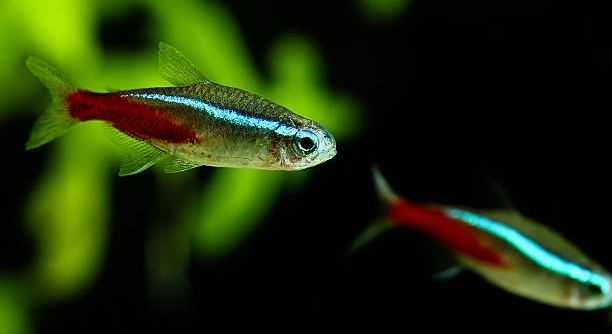
Are your tetras not growing as expected despite your care? Many fish owners notice their tetra’s size stagnating and feel unsure why. Understanding the causes can help improve their growth and overall health.
Tetras may fail to grow due to poor water quality, inadequate nutrition, stress from overcrowding, or improper tank conditions. Addressing these key factors ensures a healthier environment that promotes steady growth.
Learning the common reasons behind slow growth helps you create a better habitat. With the right fixes, your tetras can thrive and reach their full potential.
Poor Water Quality
Poor water quality is one of the main reasons why your tetra isn’t growing properly. Fish rely on clean water to stay healthy and develop normally. If the water has too many toxins like ammonia, nitrites, or nitrates, it can stress the fish and slow their growth. Additionally, incorrect pH levels or temperature can make the environment uncomfortable. Regular water changes and testing are essential to keep the tank balanced. Using a good filter system also helps remove waste and maintain clean water. Without these measures, the fish can become weak and prone to disease, which stops them from growing as they should. Ensuring the water stays clean and stable supports your tetra’s health and growth in the long term.
Testing your tank water weekly helps catch problems early and keeps conditions optimal for growth.
Maintaining water quality involves regular partial water changes of about 20-30%, checking pH to stay between 6.5 and 7.5, and using a reliable filtration system. Avoid overfeeding as leftover food can pollute the water. Also, avoid adding too many fish, as overcrowding raises waste levels quickly. By paying close attention to these factors, you create a healthier space that supports your tetra’s growth and vitality.
Inadequate Nutrition
Feeding your tetra the right food is crucial for its growth.
Tetras need a balanced diet rich in proteins, vitamins, and minerals. Low-quality food or an unvaried diet can cause stunted growth. Make sure to offer a mix of flakes, pellets, and occasional live or frozen foods. Avoid overfeeding, as it can harm water quality and fish health. Feeding small amounts two to three times daily works best to support steady growth.
Stress from Overcrowding
Too many tetras in one tank create stress, which slows growth. Crowding increases competition for food and space, making it harder for each fish to thrive.
Overcrowding leads to poor water quality and increased aggression. When fish constantly compete or hide, their energy goes toward survival, not growth. Stress weakens their immune system, leaving them vulnerable to illness. A good rule is to allow at least one gallon of water per tetra. Providing enough room reduces stress and helps maintain stable water conditions. It also ensures every fish gets enough food and space to swim freely.
Limiting the number of fish and using plants or decorations to create hiding spots can reduce stress. When tetras feel secure, they grow better and show healthier behavior.
Improper Tank Conditions
Tank conditions like lighting, temperature, and decoration affect tetra growth. Poor setups can cause discomfort and hinder development.
Tetras need stable temperatures between 74°F and 80°F to grow properly. Sudden changes or extremes slow their metabolism and cause stress. Lighting should mimic natural day and night cycles, about 8-10 hours daily, to regulate their behavior. Harsh or constant light can disturb their rest. Decorations and plants provide hiding spots that reduce stress and encourage natural activity. Avoid sharp or rough decorations that could injure them. A well-maintained tank with proper temperature, lighting, and environment promotes healthy growth and reduces risks of disease or stress-related problems. Regularly check equipment to ensure conditions stay optimal for your tetras.
Lack of Proper Filtration
A weak or clogged filter reduces water quality and stresses your tetra. Good filtration keeps the tank clean and balanced.
Filters help remove harmful waste and toxins that build up quickly in small tanks. Without proper filtration, water conditions worsen and stunt growth.
Disease and Parasites
Illness and parasites can drain your tetra’s energy, preventing normal growth. Watch for signs like spots, swelling, or unusual behavior.
If you notice symptoms, treat the tank quickly with appropriate medication. Quarantining sick fish helps stop spreading disease and supports recovery.
Genetics
Some tetras may naturally grow slower or stay smaller due to genetics. This is normal and not always a problem.
FAQ
Why is my tetra not growing even though I feed it regularly?
Regular feeding is important, but the quality and type of food matter more. Tetras need a balanced diet with proteins, vitamins, and minerals. Feeding only flakes or one kind of food can cause stunted growth. Also, overfeeding leads to poor water quality, which stresses fish and slows growth. Make sure to feed varied foods in small amounts several times a day, and monitor water conditions regularly.
How often should I change the water in my tetra tank?
Changing about 20-30% of the water every week is ideal. This helps keep toxins low and water fresh. Skipping water changes can cause harmful buildup of ammonia and nitrates, which stress fish and limit growth. Use a water conditioner to remove chlorine and chloramines from tap water before adding it to the tank.
Can tank size affect my tetra’s growth?
Yes, tank size directly affects growth. Overcrowding limits space, raises waste levels, and causes stress. Each tetra needs about one gallon of water. Larger tanks provide more stable conditions and room to swim, which helps fish grow healthier and stronger.
What temperature should I keep my tetra tank at?
Tetras grow best between 74°F and 80°F (23°C to 27°C). Temperatures outside this range can slow metabolism and stress the fish. Use a reliable aquarium heater and thermometer to maintain steady temperature. Avoid placing the tank near drafts or direct sunlight.
How do I know if my tetra is stressed?
Signs of stress include hiding, loss of appetite, faded colors, and erratic swimming. Stress slows growth and weakens the immune system. Address common causes like poor water quality, overcrowding, or sudden changes in the tank environment to help reduce stress.
Can live plants help my tetras grow better?
Live plants improve water quality by absorbing nitrates and provide hiding places, which reduce stress. Plants also create a more natural environment, encouraging normal behavior and growth. Make sure to choose low-maintenance plants suited for your tank conditions.
Is it normal for some tetras to stay smaller than others?
Yes, genetics play a role in growth differences. Some fish naturally grow slower or remain smaller even with good care. This variation is normal and does not always indicate a health problem.
What should I do if my tetra shows signs of disease?
Isolate the sick fish to prevent spreading illness. Identify the symptoms and treat the tank with appropriate medication. Keep water clean and maintain good tank conditions to support recovery. Early treatment improves chances of full recovery and normal growth.
How can I prevent overcrowding in my tetra tank?
Plan the number of fish based on tank size, allowing one gallon per tetra. Avoid adding too many fish at once. If the tank becomes crowded, consider moving some fish to another tank or finding new homes for them.
Does lighting affect my tetra’s growth?
Proper lighting helps regulate natural behavior and growth. Provide about 8-10 hours of light daily, mimicking natural day-night cycles. Avoid too bright or constant lighting, which can stress fish and disrupt their rest. Use a timer to maintain a consistent schedule.
Can stress from tank mates affect my tetra’s growth?
Yes, aggressive or incompatible tank mates cause stress. Stress weakens immunity and reduces appetite, slowing growth. Choose peaceful species that coexist well with tetras. Monitor interactions and separate fish if bullying occurs.
How important is regular tank maintenance for my tetra’s growth?
Regular cleaning and monitoring are essential. Remove uneaten food, check water parameters, and clean the filter as needed. Neglecting maintenance leads to poor water quality and unhealthy fish. Consistent care supports stable conditions and encourages growth.
Are there supplements that help tetra growth?
Some fish foods contain added vitamins and minerals to support growth. While supplements can help, a balanced diet and good tank conditions are more important. Consult with an aquarium specialist before adding supplements to avoid overdosing or harming fish.
When your tetra isn’t growing as expected, it can be frustrating. Many factors affect their growth, including water quality, nutrition, tank conditions, and stress levels. Paying attention to these details helps create a healthier environment where your fish can thrive. Simple steps like regular water changes, feeding the right food, and avoiding overcrowding make a big difference. Ensuring the tank is clean and stable supports your tetra’s overall well-being and encourages steady growth over time.
It is important to understand that fish growth is gradual and can vary between individual tetras. Some fish naturally grow slower due to genetics, and this is not always a problem. Still, poor care or environmental issues can hold them back. By monitoring water parameters like temperature, pH, and ammonia levels, you can spot problems early and fix them before they harm your fish. Maintaining good water quality is one of the most effective ways to promote healthy growth and prevent illness.
Taking the time to observe your tetras closely will help you notice signs of stress or disease early on. Providing a balanced diet, a comfortable tank setup, and enough space will reduce stress and support their immune system. Remember, small changes in care routines can have a big impact on your fish’s health and growth. Consistency is key to keeping your tetras happy and helping them reach their full size naturally. With careful attention and simple fixes, your tetras can grow strong and stay healthy for years to come.

Hello,
If you enjoy the content that we create, please consider saying a "Thank You!" by leaving a tip.
Every little bit helps us continue crafting quality advice that supports the health, happiness, and well-being of pets around the world, for pets of all shapes, sizes, and species.
We really appreciate the kindness and support that you show us!