
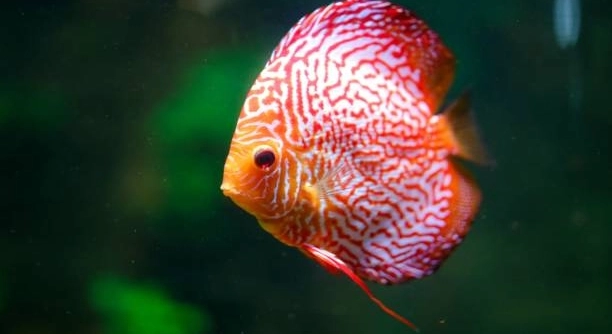
Are your discus fish growing slower than expected, even though you’re doing your best to care for them every day?
The main reason discus fish experience slow growth is due to a combination of stress, poor diet, and unsuitable water conditions. These factors disrupt their natural development and weaken their immune systems, leading to stunted growth.
Understanding what holds back your discus growth can help you fix small habits that make a big difference over time.
Overfeeding or Irregular Feeding
Feeding discus too much or at random times can slow their growth and affect their health. These fish do best with a steady feeding routine and small, frequent meals. Overfeeding leads to leftover food in the tank, which breaks down and harms water quality. Poor water conditions stress the fish, and stress makes them stop growing. On the other hand, feeding too little or skipping meals means they don’t get enough nutrients. Young discus, especially, need protein-rich food multiple times a day. Consistency helps their bodies grow properly, and keeps them active and alert.
When food is not managed well, it shows in the discus’s size, energy, and even their color.
Try feeding small amounts three to five times a day, especially for younger discus. Watch them as they eat and remove any leftover food. Keep a loose schedule so they know when to expect meals. Over time, you’ll see better growth.
Poor Water Quality
Bad water quality is one of the most common reasons discus stop growing.
Discus fish are sensitive and need stable water conditions to thrive. High ammonia, nitrite, or nitrate levels can cause stress, illness, and stunted growth. Dirty water also makes it harder for them to breathe and absorb nutrients. If water changes aren’t done regularly, waste builds up fast—especially in a crowded tank or one that’s overfed. Clean water supports their immune system and helps their bodies use the food they eat more effectively. Regular testing and maintenance help catch problems early. Use a sponge filter or a reliable external filter, and make sure it runs well. It’s also helpful to check pH, temperature, and hardness, as discus do best in soft, warm water with a slightly acidic pH. If these levels shift too often, it can disturb their natural rhythm and slow down growth. Stable, clean water makes a big difference in their health and size.
Inadequate Tank Size
A small tank limits discus growth by restricting their movement and increasing stress. When the tank is too crowded, waste builds up quickly and oxygen levels drop. This creates an unhealthy environment that slows down development and weakens their immune system.
Discus need space to swim freely and grow without bumping into each other or tank decorations. A cramped setup can lead to aggression and uneven growth, especially if dominant fish outcompete others for food. For a small group, a minimum of 55 gallons is best, but larger is always better. Clean water is easier to maintain in bigger tanks, and stable conditions support healthy growth. Add live plants sparingly, and avoid cluttering the tank with too many ornaments. A clear swimming area helps reduce stress and allows them to grow naturally.
When you move discus to a larger tank, they often show quick improvement. Their color brightens, appetite returns, and they grow more evenly. Size matters.
Inconsistent Water Temperature
Discus need warm water to digest food properly and stay active. Fluctuating temperatures can make them sluggish and more prone to illness. Sudden drops are especially harmful, even if they only last a short time.
Maintaining a steady temperature around 82–86°F helps discus grow and stay healthy. A reliable aquarium heater is essential, especially during colder months or if your home’s temperature shifts often. Double-check the temperature with a separate thermometer, as built-in gauges can sometimes be off. If the tank is near a window or vent, move it somewhere more stable. Cold drafts or direct sun can cause small shifts that stress your fish. Inconsistency, even just a few degrees, is enough to affect how well they eat and use nutrients. For baby discus, this is even more important. Stable warmth gives them the best chance to grow quickly and stay strong.
Poor Diet Quality
Feeding low-quality food can lead to stunted growth. Discus need high-protein meals, especially when they’re young. Cheap flakes or fillers don’t offer the right nutrients and may even pollute the water, affecting both their health and appetite over time.
A varied diet helps them grow stronger. Mix high-protein pellets with frozen foods like bloodworms or beef heart. This keeps them interested in eating and supports proper development.
Stress From Tankmates
Aggressive or overly active tankmates can scare discus and make them hide, skip meals, or become sick. They do best with peaceful species that won’t chase or nip at them. Stress from bullying causes slow growth and uneven development.
Infrequent Water Changes
Discus need clean water all the time. Skipping water changes lets harmful waste build up and makes it hard for them to grow properly.
FAQ
How often should I feed my discus fish?
Young discus should be fed 3 to 5 times a day in small amounts. As they grow older, 2 to 3 feedings per day are enough. Offer a mix of high-protein foods like beef heart, frozen bloodworms, and quality pellets. Overfeeding can harm water quality, so remove uneaten food after a few minutes. A regular feeding routine helps promote healthy digestion and steady growth. Try to space meals out during the day and avoid long gaps between feedings. They need consistent nutrition to reach their full size.
What is the ideal water temperature for discus?
Discus thrive in warm water, between 82°F and 86°F. Try to keep it stable and avoid letting it drop below 80°F. Use a good quality heater and check the temperature with a separate thermometer to avoid surprises. Sudden changes can make them sick or slow down their growth. If the room temperature changes often, it’s important to monitor the tank closely. Warm water helps them digest food and stay active. Consistent temperature also reduces stress and helps prevent common illnesses.
How large should my tank be for a small group of discus?
A tank of at least 55 gallons is recommended for a small group of discus, usually 4 to 6 fish. If you want more, go bigger—75 gallons or more is ideal. These fish grow large and need space to swim freely without bumping into each other. A larger tank also makes it easier to manage water conditions and reduce stress. Overcrowded tanks lead to more waste and less room to escape from aggressive behavior. More space supports better growth and cleaner water.
How can I tell if my discus are stressed?
Stressed discus may hide, refuse food, show faded colors, or clamp their fins. You might also notice them breathing heavily or acting skittish. Some even darken in color. Common causes include bad water quality, sudden temperature changes, bullying tankmates, or loud noises around the tank. If you notice any of these signs, test the water, check the temperature, and observe other fish in the tank. Fixing the issue early helps avoid illness and long-term damage to growth and health.
Is it okay to keep discus with other types of fish?
Yes, but only with peaceful species that share similar water needs. Avoid fast or aggressive fish like barbs or some cichlids, which can stress discus. Good tankmates include cardinal tetras, rummy nose tetras, or peaceful catfish like corydoras. Always observe new fish closely for signs of aggression. A calm tank helps discus feel safe and eat properly. Stress from bad tankmates can lead to slower growth and more illness. It’s better to keep them in a peaceful group.
What foods should I avoid feeding discus?
Avoid feeding discus low-quality flakes, foods with fillers, or anything with a strong odor that breaks apart easily. These foods pollute the water and don’t give them the protein they need to grow. Also avoid feeding only one type of food every day. They need variety—mix frozen, live, and pellet foods to cover their nutrition needs. Spoiled or freezer-burned food should also be avoided, as it can cause digestive problems. Stick with trusted brands and keep a mix on hand.
How often should I change the water in a discus tank?
It depends on the tank size and stocking level, but most tanks need water changes 2 to 3 times a week. For young discus or heavily stocked tanks, daily or every-other-day changes help keep water clean. Even in well-filtered tanks, waste builds up fast. Change 25% to 50% of the water each time using clean, temperature-matched water. Skipping changes causes ammonia and nitrate to rise, which harms growth. A regular routine supports healthy fish and makes problems easier to catch early.
Final Thoughts
Helping discus grow well takes time, patience, and consistency. These fish are sensitive to changes, and even small mistakes can slow their development. Clean water, a steady temperature, and the right diet all play a big role in their health. Discus are not hard to care for, but they do need a little extra attention compared to other fish. If their tank is too small, the water is dirty, or the food is poor quality, they won’t grow the way they should. Paying attention to the small things makes a big difference in how well they do over time.
Many people struggle with discus growth because they don’t realize how much little habits affect the fish. Skipping water changes, feeding too much or too little, or mixing them with stressful tankmates can hold them back. It may seem like they’re just being slow to grow, but often, something in their environment isn’t quite right. The good news is, discus usually respond quickly to changes. Once things improve, you’ll often see better appetite, brighter colors, and more activity. These are all signs that growth is back on track. Keeping a consistent routine helps avoid surprises and gives your fish the best chance to grow healthy and strong.
If your discus aren’t growing as expected, don’t be discouraged. Go back and look at the basics—check the water, review your feeding schedule, and think about tank size and behavior. Many small changes add up over time. Even experienced fish keepers sometimes overlook things, and that’s okay. What matters is staying curious and willing to adjust. Watching your discus grow, gain color, and swim with confidence is rewarding, and it’s worth the extra effort. Whether you’re keeping a small group or planning a larger setup, good care will always lead to better results. Keep it simple, stay consistent, and give your discus what they need—and they’ll thrive.

Hello,
If you enjoy the content that we create, please consider saying a "Thank You!" by leaving a tip.
Every little bit helps us continue crafting quality advice that supports the health, happiness, and well-being of pets around the world, for pets of all shapes, sizes, and species.
We really appreciate the kindness and support that you show us!