
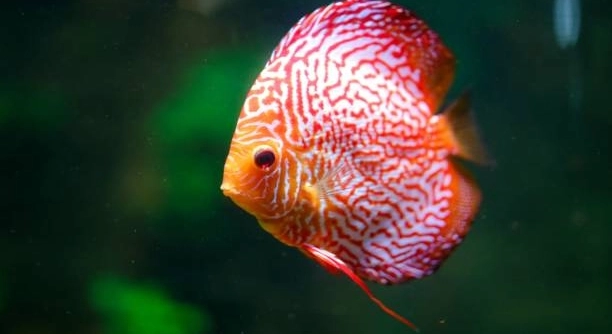
Discus fish are popular pets known for their bright colors and calm nature. Many owners enjoy watching them swim gracefully in their tanks. Feeding them regularly is an important part of keeping them healthy and happy.
If a discus misses a day of food, it generally does not cause serious harm. Discus can tolerate short periods without eating, as they have slow metabolisms. However, prolonged food deprivation can lead to stress and weakened immunity.
Knowing how missing a feeding affects your discus helps maintain its well-being. This article will explain what happens and how to care for your fish after a missed meal.
Why Discus Might Miss a Day of Food
Discus fish can skip a meal for several reasons. Sometimes, they are stressed by changes in their environment, such as new tank mates or water quality shifts. Other times, illness or poor water conditions can reduce their appetite. Overfeeding or sudden diet changes might also cause them to refuse food. It’s important to observe your discus closely when it misses a meal to identify any signs of illness or stress. Ensuring a stable environment with clean water and consistent feeding schedules helps prevent appetite loss. If your discus skips food occasionally, it is usually not a serious issue. But frequent refusal can signal underlying problems that need attention. Keeping a regular feeding routine and monitoring tank conditions supports your discus’s health and encourages steady eating habits. This care helps avoid complications from missing meals and keeps your fish thriving in its aquarium.
Missing a day of food is often temporary and usually not dangerous for discus if their tank is well maintained.
Checking water parameters regularly and maintaining a clean tank environment is key to preventing appetite loss in discus fish.
How to Handle a Missed Feeding
If your discus misses a feeding, don’t panic. Most discus can manage one missed meal without harm. Keep an eye on your fish for any unusual behavior or signs of stress, such as hiding or rapid breathing. Avoid feeding more than usual the next day, as overfeeding can cause digestive problems. Instead, offer small, easy-to-digest portions. Maintaining water quality is crucial, so test parameters like ammonia, nitrite, and pH to ensure they are within safe limits. If the fish continues to refuse food for more than two days, consider consulting a vet or experienced aquarist. Sometimes, changing the type of food or offering live or frozen options can help stimulate appetite. Patience and careful observation are important during this time to support your discus’s recovery and prevent further health issues. Regular care and proper diet will help your discus stay strong and healthy.
Signs Your Discus Is Stressed or Unwell
Stress or illness often causes a discus to miss meals. Watch for changes in behavior like hiding, sluggish swimming, or clamped fins. Loss of color and rapid breathing are also common signs. These indicators show your fish may need extra care.
Stress weakens the immune system, making discus more vulnerable to infections. Poor water quality is a major cause, so keeping the tank clean is essential. Temperature fluctuations or aggressive tank mates can also stress your fish. When a discus refuses food, it’s often a signal that something in its environment needs attention. Regular monitoring helps catch problems early and improves recovery chances.
Providing a calm, stable tank with consistent water parameters reduces stress. Sometimes adding plants or hiding spots helps discus feel secure. If you notice stress signs, focus on improving water quality and maintaining a peaceful environment to support your fish’s health and appetite.
Feeding Tips After a Missed Meal
After a missed feeding, offer small portions of high-quality food to avoid digestive upset. Choose foods rich in nutrients, such as specially formulated pellets, frozen bloodworms, or brine shrimp. Avoid sudden diet changes to prevent additional stress.
It’s best to feed your discus multiple small meals throughout the day rather than one large meal. This approach helps their digestion and encourages consistent eating habits. Maintaining a stable feeding schedule supports their natural rhythm and reduces the risk of missed meals in the future. If your discus continues to refuse food, try gently warming the tank water to increase their metabolism. Always remove uneaten food promptly to keep the tank clean and avoid water quality issues that could discourage eating. Patience and consistent care are key to helping your discus return to normal feeding quickly.
When to Be Concerned
Missing a single meal is usually not a problem for discus fish. However, if your discus refuses food for more than two days, it could be a sign of illness. Prompt action is important to prevent worsening health.
If you see other symptoms like white spots, swollen belly, or lethargy along with missed meals, seek advice from an expert. Early treatment increases the chances of recovery.
Common Illnesses Affecting Appetite
Diseases such as ich, bacterial infections, or parasites often cause loss of appetite in discus. These illnesses can be triggered by stress or poor water conditions. Proper diagnosis and treatment are essential to restore health.
Regular tank maintenance and quarantine of new fish help reduce the risk of infections. Observing your discus daily allows early detection and faster response to any health problems.
Maintaining Good Water Quality
Clean water is essential for discus health. Test regularly for ammonia, nitrite, nitrate, and pH. Stable, appropriate water parameters reduce stress and support appetite.
Keeping a healthy environment prevents many common health issues and helps your discus thrive.
How long can discus survive without food?
Discus fish can survive without food for about 3 to 5 days, depending on their health and tank conditions. They have slow metabolisms and can tolerate short fasting periods without serious harm. However, longer periods without feeding increase stress and risk of illness. It’s best not to test this limit intentionally. Missing one meal occasionally is usually fine, but if your discus stops eating for more than two days, it’s important to find the cause and address it quickly. Keeping water quality stable and stress low helps discus manage brief food shortages more easily.
Is it harmful if discus misses a day of food?
Missing one day of food generally does not harm discus fish. They can handle short fasting without significant effects because of their slow metabolism. The main risk comes from repeated missed meals or longer fasting periods, which can weaken their immune system and make them more vulnerable to diseases. A single missed feeding might even give their digestive system a brief rest. Still, consistent feeding schedules and proper tank care remain crucial to prevent any health problems caused by irregular eating habits.
What should I do if my discus refuses food for a day?
If your discus skips a meal, avoid overfeeding the next day. Offer small portions of familiar, high-quality food to encourage eating. Check water parameters immediately, as poor water quality is a common cause of appetite loss. Watch for signs of illness like changes in color, behavior, or breathing. Sometimes warming the tank slightly can stimulate appetite. If the fish refuses food for more than two days or shows other symptoms, consult a veterinarian or an experienced aquarist for advice on treatment.
Can stress cause discus to miss meals?
Yes, stress is a common reason discus fish refuse food. Stress can come from changes in water quality, temperature fluctuations, aggressive tank mates, or moving the fish. When stressed, discus may hide or lose interest in food. Reducing stress by maintaining stable water conditions, offering hiding spots, and keeping a peaceful tank environment helps prevent missed meals. Regular monitoring of your discus’s behavior and tank health supports early detection and reduces the impact of stress on their appetite.
Does water temperature affect discus feeding habits?
Water temperature significantly influences discus metabolism and feeding. If the water is too cold, their metabolism slows down, and they may eat less or skip meals. Conversely, very high temperatures can increase stress and reduce appetite. Maintaining the ideal temperature range of about 82–86°F (28–30°C) encourages regular feeding and healthy digestion. Small, gradual temperature changes help avoid stress. Use a reliable heater and thermometer to keep conditions steady for optimal discus feeding behavior.
What types of food are best if discus misses a meal?
After a missed meal, offer easily digestible, nutritious foods like frozen bloodworms, brine shrimp, or high-quality pellets designed for discus. These options provide essential proteins and vitamins without overwhelming their system. Avoid sudden diet changes, which can add stress and worsen appetite loss. Feeding small amounts multiple times a day helps stimulate their interest in food and supports digestive health. Treating your discus with a varied but consistent diet helps maintain strong immunity and reduces the chances of missed meals.
How can I prevent discus from missing food in the future?
Prevent missed meals by maintaining excellent water quality and a stable tank environment. Feed your discus a balanced diet regularly at consistent times. Avoid overcrowding and aggressive tank mates that could stress your fish. Monitor your discus daily for changes in behavior or appetite. Quarantine new fish before adding them to the tank to avoid introducing diseases. Providing plenty of hiding places can make your discus feel secure and less likely to skip meals due to stress. Regular maintenance and observation are the best ways to keep your discus eating well.
When should I seek professional help for a discus that won’t eat?
If your discus refuses food for more than two days, or shows other symptoms like weight loss, discoloration, or unusual swimming patterns, it’s time to get professional help. Early diagnosis and treatment can prevent serious health problems. Contact a veterinarian specializing in fish or an experienced aquarist who can guide you on proper care and medication if needed. Acting quickly gives your discus the best chance of recovery and helps avoid long-term damage caused by starvation or illness.
Can fasting benefit discus fish?
Short fasting periods, like missing a single meal, can sometimes benefit discus fish by giving their digestive system a rest. It may help clear their gut and reduce digestive stress. However, regular fasting or long periods without food are harmful and should be avoided. Fasting should never be used as a treatment without expert guidance. Balanced and consistent feeding is generally the best way to keep discus healthy and active.
What role does tank cleanliness play in discus appetite?
Tank cleanliness directly affects discus appetite and overall health. Poor water quality causes stress and weakens the immune system, leading to reduced food intake or refusal to eat. Regular water changes, proper filtration, and cleaning uneaten food help maintain a healthy environment. Testing water parameters like ammonia, nitrite, nitrate, and pH regularly is essential. A clean tank encourages discus to eat regularly and thrive. Neglecting tank hygiene increases the risk of illness and appetite problems.
Missing a meal is usually not a big problem for discus fish. They have slow metabolisms that allow them to handle short periods without food. One missed feeding is unlikely to cause serious harm or long-term issues. However, it is important to keep an eye on your discus when they skip a meal. Watch for any signs of stress or illness like hiding, color changes, or slow movement. These signs can show that something else might be wrong. Keeping your tank clean and stable is key to preventing many problems that cause discus to lose their appetite.
If your discus misses a day of food, don’t rush to feed a large amount the next time. Instead, offer small portions of easy-to-digest, nutritious foods. Frozen bloodworms or high-quality pellets made for discus are good options. Overfeeding can cause digestive problems and worsen water quality, which makes fish stress worse. Regular feeding at consistent times helps discus keep a steady routine. If your discus refuses to eat for more than two days, it is important to check the water conditions and consider seeking advice from a professional. Quick action can help prevent illness and support your fish’s recovery.
Taking care of discus fish means paying attention to their environment and feeding habits. Clean water, stable temperature, and a calm tank help discus stay healthy and interested in food. Stress from poor conditions or aggressive tank mates can lead to missed meals and health problems. When discus miss a meal, it is often a sign that something needs attention. By watching your fish closely and maintaining good care habits, you can help your discus enjoy a long, healthy life. Being patient and consistent with your care will make a big difference in their well-being.

Hello,
If you enjoy the content that we create, please consider saying a "Thank You!" by leaving a tip.
Every little bit helps us continue crafting quality advice that supports the health, happiness, and well-being of pets around the world, for pets of all shapes, sizes, and species.
We really appreciate the kindness and support that you show us!