
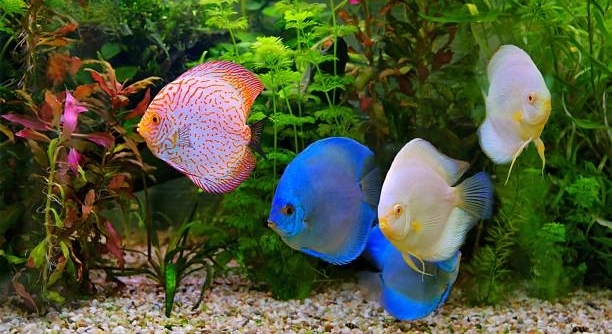
Discus fish are popular in home aquariums for their bright colors and graceful movements. Many owners notice that these fish avoid swimming in open areas. Understanding their behavior helps create a better environment for them.
Discus fish tend to stay near shelter or plants due to their natural instincts for safety and comfort. Open spaces make them feel exposed, increasing stress and reducing their willingness to swim freely. This behavior is rooted in their need to avoid predators and find secure resting spots.
Recognizing why discus avoid open areas can improve care and tank setup. This article explains key reasons behind their behavior.
Natural Instincts and Safety
Discus fish come from slow-moving waters with lots of plants and hiding spots. Their natural instinct is to stay close to cover where they feel safe. Open areas expose them to potential threats, so they avoid these spaces to reduce stress. This behavior helps them survive in the wild and carries over into aquarium settings. When they feel vulnerable, discus tend to cluster near plants, rocks, or decorations. Providing plenty of hiding places encourages them to explore more confidently. Without enough cover, discus will often remain in tight groups, rarely venturing into open water. This instinct also affects their social behavior, as discus feel more secure when near other fish or familiar surroundings.
Discus need a secure environment to feel comfortable. Open spaces without cover increase their stress and limit movement.
Creating a tank that mimics their natural habitat is key. Use plants and decorations strategically to offer safe zones. This setup promotes natural swimming patterns and reduces fear. It also encourages healthier, more active fish. Observing discus in a well-planted tank reveals their comfort in using the space fully, moving between open areas and shelter as they feel safe.
Water Quality and Stress Levels
Poor water quality quickly raises stress in discus fish. They are sensitive to changes in water parameters like temperature, pH, and ammonia levels. Stress causes them to hide and avoid open areas, seeking refuge in safer spots. High stress can lead to illness or reduced appetite, making it important to keep the water clean and stable. Regular testing and maintenance help maintain ideal conditions for discus health. Stress also makes discus less active, which shows in their swimming patterns.
Stress from water problems reduces discus activity and makes them avoid open spaces.
Ensuring consistent water conditions involves frequent partial water changes and proper filtration. Maintaining temperature between 82 and 86°F supports their comfort and activity levels. pH should be slightly acidic, around 6.0 to 7.0. Sudden shifts in these conditions cause noticeable changes in behavior. Stress might also cause discus to cluster tightly or hide. Addressing water quality improves overall well-being and encourages normal swimming behavior. Knowing their sensitivity helps in creating an environment where discus feel safe to move freely throughout the tank.
Tank Size and Space
Discus require enough space to swim comfortably, but very large open tanks without hiding spots can make them uneasy. They prefer a balance of open water and shelter.
Too much empty space in a tank can cause discus to feel exposed and stressed. When the tank is large but lacks plants or decorations, discus tend to stay near the walls or corners. They feel vulnerable without nearby cover. This limits their movement and natural behavior, as they avoid the center or open areas of the tank. Providing plants and other structures helps them feel secure and encourages more exploration.
Smaller tanks with proper hiding spots give discus a sense of safety. Overcrowded or very sparse tanks both reduce their comfort. A well-planned setup ensures discus can swim freely but retreat when needed. This balance supports healthy activity and reduces stress, leading to more natural swimming patterns and better overall health.
Social Behavior and Schooling
Discus are social fish that feel safer in groups. Being with others helps reduce fear and encourages movement around the tank. When alone or in small numbers, discus often hide and avoid open spaces.
Grouping discus together mimics their natural schooling behavior, providing comfort and confidence. They rely on each other for protection, making them more willing to swim in open areas when in a group. Isolation increases stress and fear, leading to more hiding. Healthy social dynamics reduce aggressive behavior and encourage activity. Keeping at least six discus together promotes natural schooling, helping them feel secure and more active.
Proper social groups improve discus behavior and willingness to explore. When schooling needs are met, discus swim more freely and show less stress-related hiding. Maintaining the right group size is crucial for their wellbeing.
Lighting Conditions
Discus fish prefer dimmer lighting because bright light can stress them. Too much light makes them seek shaded or covered areas instead of swimming openly.
Using softer, indirect lighting helps discus feel safe. Adjusting light intensity to mimic their natural habitat encourages more natural behavior.
Tank Decorations and Plants
Plants and decorations provide essential hiding spots for discus. These features reduce stress and create a more inviting environment where discus can explore confidently. Without sufficient cover, discus often avoid open water.
Adding tall plants and smooth decorations helps discus feel secure. These elements break up open spaces and offer refuge. Regularly changing or rearranging decorations can keep the environment interesting and stimulating for them.
Feeding Habits and Behavior
Discus tend to feed near the tank bottom or plants where they feel safe. Open areas may feel risky during feeding times, so they stick close to shelter. This cautious feeding is part of their survival instinct in the wild.
Offering food near plants or decorations encourages discus to come out more. Feeding in secure spots reduces stress and supports healthier eating habits. Over time, discus may become more comfortable swimming in open spaces during feeding.
FAQ
Why do discus fish avoid swimming in open areas?
Discus fish avoid open areas because they feel exposed and vulnerable without nearby cover. In the wild, staying close to plants or rocks protects them from predators. This natural instinct remains strong even in aquariums. Without enough shelter, they become stressed and stick to safer spots.
Can improving tank decorations help discus swim more openly?
Yes. Adding plants and decorations creates safe zones that reduce stress. When discus feel secure, they are more likely to explore open areas. Decorations should provide hiding spots but not overcrowd the tank. This balance encourages natural swimming behavior and makes the fish more comfortable.
How does water quality affect discus swimming habits?
Poor water quality stresses discus, causing them to hide more. They are sensitive to changes in temperature, pH, and ammonia. Clean, stable water helps discus feel relaxed and encourages normal activity. Regular testing and maintenance are essential to keep their environment healthy.
Is tank size important for discus swimming freely?
Tank size matters, but so does layout. A very large tank with little decoration can make discus feel unsafe. They need enough room to swim but also places to retreat. A medium to large tank with plants and hiding spots offers the best balance.
Does the number of discus affect their willingness to swim in open areas?
Discus are schooling fish and feel safer in groups. Smaller groups or solitary discus tend to hide more and avoid open spaces. Keeping at least six discus together promotes confidence and encourages swimming around the tank.
How does lighting influence discus behavior?
Bright lighting can stress discus and make them seek shade. Softer or dimmer lighting that mimics their natural habitat helps discus feel secure. This encourages them to swim more openly and reduces hiding.
Can feeding habits influence discus swimming patterns?
Discus often feed near plants or the tank bottom where they feel safe. Open water can seem risky during feeding times. Feeding near hiding spots helps discus come out more and reduces stress, slowly improving their comfort in open areas.
What signs show that discus are stressed and avoiding open areas?
Signs include clustering tightly near the tank edges, hiding for long periods, and reduced movement. Stressed discus may also lose appetite or show dull colors. These behaviors signal the need for environmental adjustments.
How can I encourage my discus to explore open water?
Provide plenty of hiding places, maintain excellent water quality, keep a proper group size, and use gentle lighting. Feeding near open areas can also build confidence. Gradually, discus will feel safer to swim more freely.
Are there any health risks if discus avoid open areas constantly?
Avoiding open areas often relates to stress, which can weaken the immune system. Chronic stress may lead to illness or slower growth. Ensuring a balanced environment is important to prevent these health issues.
Is it normal for discus to prefer staying near the bottom or plants?
Yes, this behavior mimics their natural environment. Staying near plants or the bottom provides security. However, with proper care and tank setup, discus can learn to use more of the tank space comfortably.
Do discus change behavior with age regarding swimming in open areas?
Younger discus may hide more as they are vulnerable. As they mature and feel safer, they tend to explore more. However, individual personalities and tank conditions also affect their behavior.
Can tank mates influence discus swimming behavior?
Yes, aggressive or overly active tank mates can stress discus, causing them to hide. Calm and compatible species encourage discus to swim openly. Careful selection of tank mates improves discus comfort.
How often should I clean the tank to keep discus comfortable?
Regular partial water changes—about 20-30% weekly—are ideal. Cleaning helps maintain water quality and reduces stress. Overcleaning or sudden changes should be avoided as they can also cause stress.
What is the best temperature for discus to feel comfortable swimming?
Discus thrive between 82°F and 86°F. Stable temperature within this range supports their activity and health. Sudden drops or spikes can cause stress, leading to less swimming in open water.
How does pH level affect discus behavior?
Discus prefer slightly acidic water, with a pH between 6.0 and 7.0. Deviations from this range can cause discomfort and stress, making them less likely to swim openly. Regular pH monitoring is important.
Are there any behavioral signs indicating discus feel safe in their tank?
When discus swim calmly in open areas, spread out, and interact socially, it shows comfort. Bright colors and normal feeding patterns also indicate they feel safe and secure in their environment.
Final Thoughts
Understanding why discus fish avoid swimming in open areas is important for anyone caring for them. Their natural instincts drive them to seek safety near plants, decorations, or other forms of cover. This behavior helps protect them from perceived threats and reduces stress. In aquariums, replicating these natural conditions is key to their comfort. Providing plenty of hiding spots and a balanced environment encourages discus to feel secure and swim more freely. When these needs are met, discus show healthier behavior and better overall wellbeing.
Water quality and tank setup play a major role in discus behavior. Maintaining clean, stable water with proper temperature and pH levels reduces stress that often causes discus to hide. A well-planned tank with enough space, combined with suitable decorations and lighting, helps create a safe space for them to explore. Social needs are also important, as discus are schooling fish and feel more confident in groups. Keeping the right number of discus together supports their natural swimming patterns and decreases fear of open spaces.
In summary, discus fish avoid open swimming areas mainly due to safety concerns and stress factors. Providing a secure environment with good water quality, appropriate tank size, plants, and proper lighting can encourage discus to move more confidently in the tank. Meeting their social needs further supports natural behavior. Paying attention to these factors improves the quality of life for discus and makes caring for them more rewarding. Understanding their behavior allows better aquarium management and a healthier habitat for these beautiful fish.

Hello,
If you enjoy the content that we create, please consider saying a "Thank You!" by leaving a tip.
Every little bit helps us continue crafting quality advice that supports the health, happiness, and well-being of pets around the world, for pets of all shapes, sizes, and species.
We really appreciate the kindness and support that you show us!