
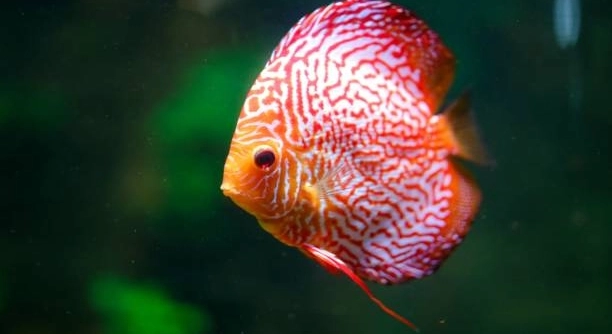
Many discus fish owners face the challenge of getting their fry to accept new types of food. Feeding young discus properly is essential for their growth and health. Understanding the best methods can improve your fry’s feeding habits over time.
Introducing new fry food to discus requires patience and careful techniques. Gradual changes, small portions, and consistent feeding schedules help encourage acceptance. Using live or freshly prepared foods initially can stimulate feeding responses and support the transition to new diets.
Learning effective ways to introduce new foods can improve the overall success of raising healthy discus fry. This guide will cover practical approaches to support their dietary needs.
Preparing the Fry for New Food
Before introducing new food, it’s important to prepare your discus fry properly. Young fry are very sensitive, so maintaining good water quality is essential. Frequent water changes help keep the tank clean and reduce stress. Stress can make fry refuse new food or stop eating altogether. Feeding small amounts several times a day mimics their natural feeding habits. Start by offering familiar live foods, like baby brine shrimp, to keep them active and healthy. Once they are eating well, gradually mix in the new food. Always observe the fry closely for signs of acceptance or rejection. Patience is key, as sudden changes can cause refusal or health issues. Taking time to prepare the environment and the fry ensures a smoother transition and better growth.
Introducing new food too quickly can shock the fry and cause refusal or health problems.
Changing the feeding routine slowly allows fry to adjust better. Keeping feeding amounts small and consistent helps avoid waste and keeps the water quality stable. Use fine, fresh food that is easy to digest. Observing the fry’s behavior during feeding will guide you on when to increase new food portions. Consistent monitoring supports better growth and survival rates.
Using Live Foods to Encourage Feeding
Live foods can trigger natural hunting instincts in discus fry and make them more willing to try new options. Baby brine shrimp, microworms, and daphnia are excellent live choices to start with. These foods are easy to digest and highly nutritious, providing essential proteins and fats. They also move, which attracts the fry’s attention. Introducing new dry or frozen foods alongside live ones can help fry get used to different textures and tastes gradually. Live foods should be fresh and free from contaminants to avoid introducing diseases. Properly cultivating or sourcing live foods is necessary for maintaining a safe feeding routine. Over time, you can reduce live food and increase prepared foods to create a balanced diet.
Live foods encourage feeding by mimicking natural prey and attracting fry’s attention.
Balancing live foods with prepared options requires careful observation. Slowly replacing live foods with high-quality flakes or pellets ensures fry receive complete nutrition. Consistency and cleanliness in feeding practices prevent illness and promote steady growth.
Gradual Food Transition
Switching discus fry to new food should be done gradually to avoid stress and rejection. Sudden changes can cause fry to stop eating.
Start by mixing a small amount of the new food with their current diet. Slowly increase the new food portion over several days while decreasing the old food. This gives the fry time to get used to the taste and texture. Watch for any signs of refusal or digestive issues during this period. Adjust the transition speed if needed to keep fry eating consistently. Patience is essential to ensure a smooth switch without affecting their health.
Consistent feeding times also help fry anticipate meals and accept new food more easily. A slow and steady transition encourages better acceptance and reduces food waste.
Feeding Frequency and Amount
Feeding discus fry often in small amounts matches their natural eating behavior. Overfeeding can pollute the tank and harm water quality. Feed the fry four to six times daily with small portions they can finish in a few minutes. Uneaten food should be removed quickly to prevent decay. Keeping feeding portions manageable helps maintain clean water, which is critical for fry development.
Monitoring how much the fry eat allows adjustment of portions. When fry start eating more confidently, portion sizes can be increased slightly. Consistency in feeding schedules supports healthy growth and reduces stress. Regular feeding with controlled amounts creates a stable environment where fry feel secure and willing to try new foods.
Use High-Quality Prepared Foods
Choosing high-quality prepared foods ensures discus fry receive proper nutrition. Poor-quality foods can lead to health problems and slow growth. Look for products designed specifically for fry, with fine textures and balanced nutrients.
Feeding premium foods increases acceptance chances and supports stronger immune systems. Always check expiration dates and storage conditions to maintain food freshness.
Maintain Optimal Water Conditions
Clean, stable water conditions are crucial when introducing new foods. Frequent water changes remove leftover food and waste that can harm fry. Proper filtration and temperature control reduce stress and promote feeding activity.
Healthy water supports digestion and encourages fry to try new foods more willingly.
Observe Fry Behavior Closely
Pay close attention to how your fry respond during feedings. Early detection of refusal or illness can prevent bigger problems. If fry ignore new food or appear lethargic, adjust feeding strategies or check water quality immediately.
FAQ
How long does it usually take for discus fry to accept new food?
The time varies depending on the fry’s age, health, and type of food. Typically, a gradual transition takes about one to two weeks. Some fry may accept new food faster, especially if live foods are included in the mix. Patience during this period is important to avoid stress.
What should I do if my fry completely reject new food?
If rejection occurs, go back to feeding familiar live foods for a few days. Then try introducing new food in smaller amounts or mixed more thoroughly with live food. Make sure water quality is excellent, as poor conditions can reduce appetite. Sometimes, slowing the transition pace helps the fry adjust better.
Can I feed only live food to discus fry?
While live food is excellent for encouraging feeding and providing nutrition, relying solely on it is not recommended long-term. Live food can be inconsistent in nutrient content and harder to manage. Combining live food with high-quality prepared fry food ensures balanced nutrition and easier feeding control.
Is it necessary to remove uneaten food immediately?
Yes. Uneaten food quickly decomposes and pollutes the water. Removing leftover food helps maintain water quality and reduces the risk of disease. It also prevents the tank from becoming cloudy or smelly, which can stress the fry and lower their feeding response.
How often should I change the water during the feeding transition?
Frequent water changes are essential, especially during feeding changes. Changing 20-30% of the water daily helps remove waste and leftover food. Keeping the water clean supports fry health and encourages consistent feeding behavior.
What are signs that my fry are not eating well?
Signs include slow growth, lethargy, and visible thinness. You may also notice leftover food after feeding times or fry hiding more often. Poor appetite can result from stress, illness, or unsuitable food. Address water quality and feeding methods immediately if these signs appear.
Can temperature affect how well fry accept new food?
Yes. Discus fry feed best at stable temperatures between 82-86°F (28-30°C). Too low or fluctuating temperatures can reduce appetite and slow digestion. Maintaining consistent warmth encourages fry to feed actively and adapt to new diets faster.
Should I use powdered or flake foods for fry?
Powdered or finely crushed flake foods are easier for small fry to eat and digest. Use products made for fry or crush larger flakes to a fine texture. This helps prevent choking and ensures the fry can consume the food fully.
What role does lighting play in feeding discus fry?
Moderate lighting simulates a natural environment and can encourage feeding. Too bright or flickering lights may stress fry, reducing their willingness to eat. A balanced light schedule with periods of dimness promotes healthier feeding habits.
Is it okay to change foods often to keep fry interested?
Consistency is better than frequent changes. Regularly switching foods can confuse fry and cause refusal. Instead, introduce new foods slowly and maintain a stable feeding routine to build trust and acceptance. Once fry accept a food, you can occasionally vary it for balanced nutrition.
Can I feed adult discus food to fry?
Adult discus food is often too large and nutrient-dense for fry. It can be hard to digest and wasteful. It’s better to use food formulated specifically for fry, which has the right size, texture, and nutrients to support their early growth stages.
What are some homemade food options for discus fry?
Some keepers prepare homemade mixes using ingredients like egg yolk, finely chopped shrimp, and vitamins. These can be nutritious but require careful preparation to avoid spoilage and nutrient imbalance. Homemade foods should complement commercial fry diets rather than fully replace them.
How do I know if a new food is nutritious enough?
Look for products with balanced protein, fats, and essential vitamins designed for fry development. Foods rich in protein and easily digestible ingredients support fast growth. Check product labels or seek advice from trusted discus care sources.
Can feeding problems be related to disease?
Yes, illness can reduce appetite or cause food rejection. Common issues include bacterial infections, parasites, or poor water quality stress. If fry stop eating suddenly, test water parameters and consider treatment options promptly to prevent losses.
Is feeding fry in a community tank advisable?
Feeding fry in a community tank can be risky. Other fish may eat the fry or compete aggressively for food. Using a separate breeding or rearing tank ensures fry get enough food and grow safely without stress or competition.
Introducing new food to discus fry can be a delicate process that requires patience and attention to detail. Success depends largely on maintaining a stable environment, offering the right kinds of food, and monitoring the fry closely. By preparing the fry properly and making changes gradually, the transition to new food can be much smoother. It is important to remember that sudden changes may cause stress and lead to refusal, so slow adjustments help the fry adapt comfortably.
Using live foods early on is often helpful, as their movement naturally attracts the fry and stimulates feeding. Combining live foods with high-quality prepared options ensures proper nutrition and supports healthy growth. Feeding small amounts frequently and maintaining excellent water quality are also critical factors. Uneaten food must be removed quickly to keep the tank clean and reduce stress. Consistency in feeding routines helps the fry feel secure and improves their willingness to try new foods.
Observing the behavior and health of the fry throughout the feeding transition allows adjustments as needed. Temperature, lighting, and feeding frequency all play a role in encouraging acceptance of new diets. Each discus fry group may respond differently, so it is important to be flexible and patient. Following these steps can increase the chances of success, helping discus fry grow strong and healthy with a well-balanced diet.

Hello,
If you enjoy the content that we create, please consider saying a "Thank You!" by leaving a tip.
Every little bit helps us continue crafting quality advice that supports the health, happiness, and well-being of pets around the world, for pets of all shapes, sizes, and species.
We really appreciate the kindness and support that you show us!