
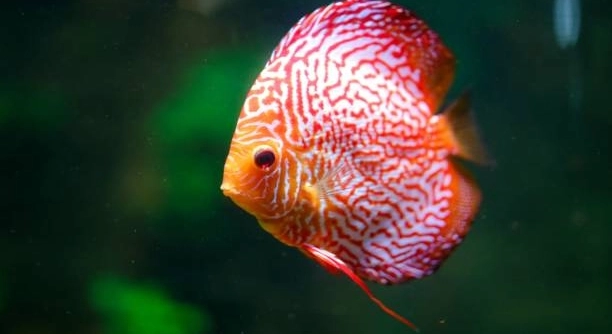
Do you keep discus fish and worry about what happens during a power outage? These beautiful fish depend on stable water conditions to stay healthy. Power cuts can affect their environment quickly, making care a real concern.
Discus fish can survive a short power outage, but prolonged loss of filtration and aeration risks their health. Maintaining water quality and oxygen levels is essential for their survival during these times.
Knowing how to prepare and respond to outages can protect your discus and keep them safe until power returns.
How Power Outages Affect Discus Fish
When the power goes out, the first thing that stops working in your discus tank is the filter. This filter cleans the water and removes harmful waste from fish waste and uneaten food. Without filtration, toxins like ammonia and nitrites can build up quickly, which is dangerous for discus fish. Another important factor is oxygen. Most tanks rely on an air pump or filter movement to keep oxygen levels steady. When power is off, oxygen can drop, making it hard for discus to breathe. Temperature control is also lost during an outage. Discus fish are sensitive to temperature changes, and a sudden drop or rise can stress them. Stress weakens their immune system and makes them prone to diseases. That’s why even short power cuts need attention to keep your discus safe and healthy.
Even a few hours without filtration can cause stress and health risks for discus fish if not managed properly.
Planning ahead with backup equipment or manual care helps maintain water quality and oxygen levels during power outages.
Preparing for Power Outages
Keep a battery-operated air pump ready to keep oxygen flowing when the power is out. This simple tool helps prevent oxygen levels from dropping too low. Having extra water and dechlorinator on hand allows you to do partial water changes if needed, which can reduce toxins. You can also consider a generator or an uninterruptible power supply (UPS) to keep essential equipment running. If the outage lasts a long time, move your discus to a smaller container with clean, aerated water to reduce waste buildup. Monitoring temperature is crucial; use a thermometer to watch for dangerous changes. You might need to add warm water or cover the tank to keep temperatures steady. Staying prepared with these steps ensures your discus survive power interruptions without long-term harm.
Managing Water Quality During Outages
Water quality can decline quickly without filtration. Test the water regularly for ammonia and nitrite levels to catch problems early.
Using water conditioners can help neutralize toxins temporarily. Frequent small water changes are also important to keep the water safe. Avoid large water changes during outages, as this can stress the fish further.
Be careful with how often and how much water you change. Too many changes can cause sudden shifts in water parameters. Instead, small, controlled changes maintain a stable environment, reducing stress on your discus fish. Keeping water clean helps prevent illness until normal filtration returns.
Keeping Temperature Stable
Discus fish are sensitive to temperature changes, so stability is key. Use a thermometer to monitor the tank temperature closely during an outage.
If the room temperature drops, adding warm water can help, but do this slowly to avoid shock. Covering the tank with blankets or insulation can reduce heat loss. Avoid placing the tank near drafty windows or doors. In hot weather, use battery-operated fans or ice packs to prevent overheating. Managing temperature carefully supports your discus fish’s health and comfort until the power is restored.
Aeration Solutions for Power Loss
Without power, oxygen levels drop fast. Battery-operated air pumps can keep oxygen flowing.
If you don’t have one, manually stirring the water surface helps add oxygen. It’s not perfect, but it can support your discus temporarily until power returns.
Feeding During Outages
Avoid feeding your discus during power outages unless it’s very short. Uneaten food can quickly foul the water.
If the outage lasts more than a few hours, it’s safer to skip feeding until filtration is back. This helps reduce waste buildup and keeps water cleaner for your fish.
Signs of Stress in Discus Fish
Watch for signs like heavy breathing, clamped fins, or lethargy. These can mean your discus is struggling with low oxygen or poor water quality.
Early detection lets you act quickly to improve conditions and protect your fish’s health.
FAQ
How long can discus survive without power?
Discus fish can generally tolerate a power outage of a few hours if the water remains stable. However, beyond 4 to 6 hours without filtration or aeration, water quality and oxygen levels can decline quickly, putting the fish at risk. Preparing for outages helps extend their survival.
What should I do immediately when the power goes out?
First, check your discus tank’s oxygen levels. If you have a battery-operated air pump, turn it on right away. If not, gently stir the water surface to increase oxygen exchange. Avoid feeding your fish and monitor temperature closely.
Can I use bottled water or tap water during a power outage?
Using bottled or treated tap water for partial water changes can help dilute toxins like ammonia if water quality worsens. Always condition tap water to remove chlorine or chloramine before adding it to the tank. Do small water changes carefully to avoid shocking your discus.
Is it safe to move discus to a smaller container during an outage?
Moving discus to a smaller, clean container can reduce waste buildup if filtration is down for a long time. Make sure the container has enough water, is clean, and is well oxygenated with a battery air pump or manual aeration.
How do I maintain temperature without power?
Use blankets or insulation around the tank to keep heat in if it’s cold. In warm weather, place ice packs nearby or use battery-operated fans to prevent overheating. Monitor temperature regularly and adjust as needed to avoid stress.
What equipment should I have ready for power outages?
A battery-operated air pump, water conditioner, extra clean water, a thermometer, and blankets for insulation are essential. If possible, have a generator or UPS system for your filter and heater to keep them running during outages.
How often should I test water during a power outage?
Test water parameters like ammonia, nitrites, and temperature every few hours during an outage. This helps you spot dangerous changes early and take action, like partial water changes or aeration, to protect your discus.
Can I feed discus during a long power outage?
It’s best to avoid feeding during long outages to prevent excess waste. Uneaten food breaks down quickly without filtration, polluting the water and harming your fish.
What signs show my discus is stressed or unhealthy after an outage?
Look for heavy breathing, gasping at the surface, clamped fins, lack of movement, or loss of color. These symptoms mean poor water quality or low oxygen. Act quickly to improve conditions.
How soon after power returns should I clean the tank?
Once power is restored, don’t rush big water changes or cleaning. Let your tank stabilize for a few hours and test water first. Then perform small water changes as needed to keep conditions safe and balanced.
Power outages can be challenging for discus fish owners because these fish need stable water conditions to stay healthy. When the electricity goes out, the equipment that keeps the water clean and oxygen-rich stops working. This can cause stress for discus fish and may lead to health problems if the outage lasts too long. It’s important to understand how power cuts affect the tank and what steps to take to protect your fish during these times. Being prepared with the right tools and knowledge can make a big difference in keeping your discus safe.
During a power outage, the most important things to focus on are maintaining oxygen levels, controlling water quality, and keeping the temperature stable. Battery-operated air pumps are a great tool to have on hand because they keep oxygen flowing when the power is out. Testing the water regularly helps catch any dangerous changes early, so you can act quickly with water changes or conditioners. Temperature can change quickly without heaters or coolers, so watching this carefully and using blankets or fans can help keep the environment comfortable. Avoid feeding your fish during longer outages to prevent waste buildup, which can make water quality worse.
Overall, discus fish can survive short power outages if you act quickly and take steps to maintain their environment. Longer outages require more careful management and preparation. Having backup equipment and a plan for manual care during power loss is key to protecting your fish. Keeping a close eye on your discus and their tank conditions helps you notice problems early and respond in time. With some simple preparations and good care, your discus can stay healthy and safe, even during power interruptions.

Hello,
If you enjoy the content that we create, please consider saying a "Thank You!" by leaving a tip.
Every little bit helps us continue crafting quality advice that supports the health, happiness, and well-being of pets around the world, for pets of all shapes, sizes, and species.
We really appreciate the kindness and support that you show us!