
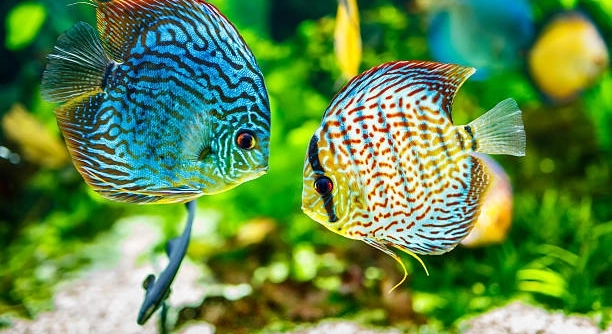
Many discus keepers enjoy watching their pairs grow and thrive in the tank. Sometimes, though, pairs can start to break up without obvious signs at first. Recognizing early changes helps keep your discus healthy and happy.
Signs that a discus pair is breaking up include reduced spawning behavior, increased aggression, less time spent together, and changes in feeding patterns. These behavioral shifts indicate stress or bond weakening, often requiring immediate attention to prevent harm.
Knowing these signs early allows you to take steps to support your discus and maintain harmony in your aquarium.
Changes in Spawning Behavior
Discus pairs usually show clear signs when they are ready to spawn. They clean a flat surface together and protect it carefully. When one or both fish stop showing interest in these behaviors, it may be a sign the pair is breaking up. You might notice one fish swimming away from the spawning site or ignoring its partner’s signals. The absence of this routine can mean the bond between them is weakening. Watching for this change is important because it often happens before other signs of separation appear. Early detection can help you decide if changes in the environment or tank conditions might be stressing the fish.
A reduction or halt in spawning activity is a key sign of a weakening pair bond in discus fish. It shows their relationship is under stress or breaking down.
Recognizing changes in spawning behavior helps you catch problems early. This way, you can adjust water quality, feeding schedules, or tank mates that may be causing tension. Sometimes, simple changes can bring the pair back together. However, if the behavior continues, the pair might separate permanently, so it’s best to watch closely and act quickly.
Increased Aggression and Avoidance
Aggression between a discus pair can increase when the bond starts to fail. This may look like chasing, nipping, or one fish blocking the other from food. Avoidance happens when one fish spends more time alone, hiding or swimming away from its partner.
When aggression rises, it often means the pair is stressed or confused. This change can disrupt the calm atmosphere in the tank and cause injuries if left unchecked.
Aggressive behavior and avoidance often appear together and indicate serious problems between the pair. These actions can hurt their health and well-being. To help, observe closely and separate the fish if aggression gets worse. Make sure the tank environment is stable, with good water quality and no sudden changes. Sometimes, stress comes from overcrowding or the presence of other fish causing tension. Providing enough space and hiding spots may ease aggression. If aggression remains high, permanent separation might be necessary to protect both fish. Watching for these signs can save your discus from harm.
Less Time Spent Together
Discus pairs usually swim close and rest near each other. When they spend more time apart, it shows their bond is weakening. This behavior means they feel less connected and may be preparing to separate.
Spending less time together is a clear signal that the discus pair is drifting apart. They may avoid each other during feeding or swim on opposite sides of the tank. This distancing can be caused by stress, illness, or changes in tank conditions. When discus fish stop seeking each other’s company, it indicates a breakdown in their relationship. Monitoring their swimming patterns and closeness helps you catch these early signs before things worsen.
This distancing is often accompanied by other signs like aggression or changes in feeding. When discus stop spending time together, it reduces their comfort and security. This change can affect their health and behavior. It’s important to check tank conditions and remove any causes of stress. If no improvement happens, consider separating the pair to avoid further harm.
Changes in Feeding Patterns
Discus pairs normally eat together calmly, but when they break up, feeding habits change. One fish may eat more aggressively while the other eats less or hides.
Changes in feeding behavior often point to tension in the pair. One fish may dominate food, leaving the other stressed and underfed. Sometimes, a fish losing interest in food shows it is stressed or ill. These changes can signal that the bond is weakening or that one discus is preparing to leave the pair. Keeping a close eye on feeding helps identify these problems early. Adjusting feeding times or offering more hiding places can reduce stress and encourage better eating habits. If these problems continue, separation may be necessary for their health.
Increased Hiding Behavior
When discus fish start hiding more often, it can mean they feel unsafe or stressed. One or both fish may spend less time out in the open, avoiding their partner.
Hiding more than usual shows discomfort or fear. This behavior often appears when pairs are breaking up or when aggression rises between them.
Changes in Coloration
Discus fish often lose their bright colors when stressed or unhappy. Fading or dulling colors can be a sign the pair’s bond is weakening or that one fish is ill.
Reduced Mutual Grooming
Discus pairs groom each other regularly to strengthen their bond. When grooming decreases, it shows the connection between them is weakening.
How can I tell if my discus pair is stressed or just resting?
Discus fish resting quietly can look similar to stress behavior, but there are differences. Resting discus usually stay still but remain near their partner or usual spots. Stress often shows as hiding, rapid breathing, or unusual swimming patterns. Watching their overall behavior over time helps distinguish between rest and stress. If a discus suddenly stops interacting or hides for long periods, stress is more likely. Changes in appetite and color can also signal stress. Keeping the tank environment stable helps reduce unnecessary stress and supports natural resting behavior.
What should I do if I notice increased aggression between my discus pair?
If aggression rises, first check the tank conditions—water quality, temperature, and space. Poor conditions can cause stress and aggression. Make sure the tank is large enough with hiding spots to reduce tension. Separating the pair temporarily can prevent injuries while you investigate causes. Reducing feeding competition by offering more food in different spots helps too. If aggression continues despite these steps, permanent separation may be necessary to protect both fish’s health.
Can diet affect the bonding behavior of discus pairs?
Yes, diet plays a role in discus health and behavior. Poor nutrition weakens their immune system and may cause stress, which affects bonding. Feeding a varied, high-quality diet supports their health and reduces aggression. Overfeeding or underfeeding can also lead to problems. Feeding small amounts multiple times daily helps maintain energy and keeps pairs active and calm. Healthy fish are more likely to maintain strong bonds.
Is it normal for discus pairs to break up sometimes?
Yes, discus pairs sometimes break up naturally. Not all pairs form lifelong bonds. Changes in environment, tank mates, or health can cause pairs to separate. Recognizing signs early can help manage the situation and prevent harm. If a pair breaks up, each fish may need its own space to reduce stress. Understanding this helps keep your discus healthy, even if pairs don’t stay together.
How can I help my discus pair stay bonded?
Maintaining stable water conditions is essential. Keep temperature, pH, and cleanliness consistent. Provide plenty of space and hiding places to reduce stress. Avoid overcrowding or aggressive tank mates. Feed a nutritious diet and observe your discus regularly for early signs of trouble. Sometimes, adding gentle companions or rearranging the tank can reduce tension. Being attentive and proactive helps your discus maintain a healthy bond.
When should I consider separating a discus pair?
Separation should be considered if aggression leads to injury or if one fish shows signs of severe stress, such as hiding constantly, refusing food, or losing color. Also, if the pair stops spawning or shows long-term behavior changes, separation may improve their well-being. Always provide a comfortable space for each fish after separation. Monitor both fish closely and maintain optimal tank conditions to support their recovery.
Discus pairs can form strong bonds, but sometimes those bonds weaken or break. When this happens, it can be difficult to see at first. Changes in behavior like less time together, aggression, or changes in feeding are signs to watch for. Paying attention to these signals helps you understand what your discus are going through. Early recognition of these signs allows you to make adjustments to the tank environment or care routine to support your fish.
Keeping discus healthy and comfortable is important for their well-being. Stable water conditions, good nutrition, and enough space can reduce stress and help maintain the pair’s bond. Sometimes, problems come from outside sources like other tank mates or sudden changes in the environment. By monitoring your discus regularly, you can catch small problems before they grow. This helps protect both fish from injury or illness related to a failing pair.
If you find that a discus pair is breaking up, it does not always mean something is wrong with your care. Sometimes pairs separate naturally. When this happens, it is best to give each fish room to recover and avoid stress. Separating them can help both discus stay healthy and happy in the long run. Understanding these signs and taking the right steps can improve the quality of life for your discus, whether they stay together or not.

Hello,
If you enjoy the content that we create, please consider saying a "Thank You!" by leaving a tip.
Every little bit helps us continue crafting quality advice that supports the health, happiness, and well-being of pets around the world, for pets of all shapes, sizes, and species.
We really appreciate the kindness and support that you show us!