
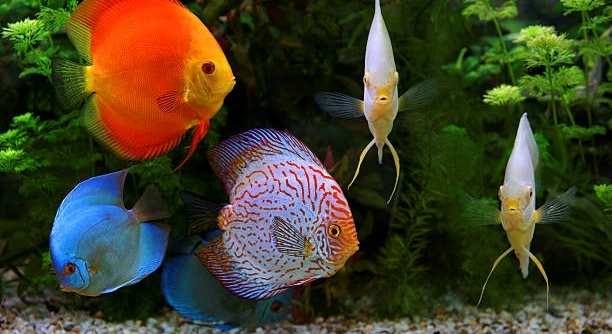
Decorated discus tanks are popular among aquarium enthusiasts who want to create a beautiful environment for their fish. Many enjoy adding plants, rocks, and ornaments to make the tank look lively and natural. However, some hidden risks come with these decorations that can affect the health of the discus fish.
Decorations in discus tanks can introduce hazards such as sharp edges, toxic materials, and unstable arrangements that may injure the fish or harm water quality. These hidden dangers often go unnoticed but can lead to stress, illness, or even death in discus.
Knowing these risks can help you maintain a safer tank and protect your fish from avoidable problems. It’s important to understand how decorations might impact your aquarium’s environment and the wellbeing of your discus.
Sharp Edges and Fragile Decorations
Sharp edges on rocks, broken ceramics, or glass ornaments can easily injure discus fish. Their delicate fins and bodies are vulnerable to cuts and tears, which can lead to infections or long-term damage. Even small cracks in decorations may not seem harmful at first but pose a risk when fish brush against them. Fragile decorations can also break over time, creating more sharp fragments in the tank. It’s important to carefully inspect all decorations before placing them in the tank. Avoid decorations with rough or jagged surfaces, and choose smooth, rounded pieces that won’t harm your fish. Regularly check the tank’s setup to remove any broken items immediately. Taking these precautions helps create a safer environment for your discus, reducing stress and the chance of injury.
Damaged fins reduce discus mobility and can cause infections, which may be difficult to treat.
Keeping decorations smooth and intact protects your fish from harm and keeps the tank safe.
Toxic Materials and Chemical Risks
Some decorations are made from materials that release harmful chemicals into the water over time. Plastics, certain painted surfaces, and untreated woods may leach toxins, affecting water quality and fish health. Even some stones or rocks can alter the water’s pH, which is critical for discus that prefer stable, soft water. It is essential to research and select decorations specifically designed for aquariums. Avoid items from craft stores or garden centers unless labeled safe for fish tanks. Rinse and soak new decorations before adding them to the aquarium to reduce any residue or dust. Using safe decorations prevents water contamination and keeps your discus healthy. Monitoring water parameters regularly helps catch problems early. Clean water and safe materials work together to support the fish’s immune system and long-term wellbeing.
Unstable Decorations and Tank Layout
Unstable decorations can fall or shift, risking injury to discus fish or damaging the tank. Heavy items that are not secured properly may topple during water changes or when fish swim nearby.
When decorations are loosely placed, they can create hazards by falling onto fish or cracking the tank glass. This instability also stresses fish, as sudden changes in their environment cause anxiety. Using heavier, stable bases or attaching decorations securely prevents accidents. Careful planning of the tank layout ensures decorations stay put and provide safe hiding spots without risk. Regularly checking and adjusting decorations keeps the tank environment consistent and calm for your discus.
Avoid stacking items in ways that can easily tip over or collapse under their own weight. Secure larger pieces well to reduce risks.
Overcrowding and Restricted Swimming Space
Overcrowding the tank with too many decorations reduces swimming space, which negatively impacts discus behavior and health. These fish need room to move freely and maintain social structures.
Limited space can cause stress and aggression among discus, weakening their immune systems. When fish cannot swim comfortably, they may become lethargic or hide excessively, affecting their overall wellbeing. A tank cluttered with decorations also complicates cleaning and water circulation, leading to poorer water quality. It’s important to balance decoration with open swimming areas. Removing unnecessary ornaments and choosing minimalistic setups helps discus thrive. Spacious environments support natural behaviors, reducing stress and promoting healthy growth. Making thoughtful decoration choices preserves both tank aesthetics and the fish’s comfort.
Mold and Algae Growth
Mold and algae can build up quickly on decorations, creating unhealthy conditions. These growths reduce water quality and can harbor harmful bacteria.
Regular cleaning of decorations helps prevent this problem. Keeping algae and mold under control supports a healthier tank environment for discus.
Stress from Constant Changes
Frequent rearranging of decorations can stress discus fish. They rely on familiar surroundings to feel safe and secure. Constant changes disrupt their routine and can cause anxiety, leading to weaker immune systems and increased susceptibility to disease.
Maintaining a stable tank layout helps discus adjust and feel comfortable, which promotes better health and behavior.
Sharp Debris
Small, sharp debris from broken decorations can float in the tank unnoticed. These fragments may injure discus fins or skin if swallowed or brushed against.
What types of decorations are safest for discus tanks?
Safe decorations are those made from non-toxic materials designed specifically for aquariums. Smooth river rocks, untreated driftwood, and live plants are excellent choices. Avoid painted or treated items, plastics not labeled aquarium-safe, and anything that might leach chemicals into the water. Decorations should have no sharp edges and be easy to clean. When buying, look for products clearly marked as safe for freshwater fish tanks. Rinsing new decorations thoroughly before adding them to the tank helps remove dust or residues. Choosing stable, natural materials supports a healthy and stress-free environment for discus.
How often should I clean tank decorations?
Tank decorations should be cleaned regularly to prevent algae and mold buildup. A good rule is every two to four weeks, depending on your tank’s conditions. Avoid harsh chemicals; instead, use warm water and a soft brush or sponge. For stubborn algae, soaking decorations in diluted vinegar for a few minutes can help, but rinse thoroughly afterward. Frequent cleaning prevents harmful bacteria growth and maintains good water quality. Keeping decorations clean also improves the tank’s appearance and helps discus stay healthy and comfortable.
Can live plants reduce risks in decorated discus tanks?
Live plants can improve water quality by absorbing nitrates and providing oxygen. They also create natural hiding spots and reduce stress for discus fish. Unlike artificial decorations, plants do not usually release toxins or sharp edges. However, some plants need specific care to thrive, and decaying plant matter must be removed promptly to avoid water pollution. Choosing hardy species like Java fern or Anubias is best for discus tanks. Live plants support a balanced environment and add beauty while minimizing some common risks associated with decorations.
What signs indicate decorations might be harming my discus?
Watch for torn or damaged fins, unusual hiding behavior, or increased aggression, which can indicate injuries or stress from decorations. Cloudy or smelly water may suggest toxins leaching from materials. Fish scratching against surfaces or frequent lethargy can also be warning signs. Regularly inspect decorations for sharp edges, cracks, or loose pieces. If discus show health problems, consider temporarily removing decorations to see if their condition improves. Early detection helps prevent serious harm and allows you to adjust the tank environment promptly.
How can I prevent decorations from causing water quality issues?
Choose decorations made of inert materials that do not alter water chemistry. Avoid rocks that may raise pH or hardness if your discus require soft, acidic water. Rinse all decorations before placing them in the tank to remove dust and residues. Regular water testing and partial water changes help maintain balance. Clean decorations routinely to remove algae and waste buildup. Keeping the tank well-filtered and not overcrowded also supports water quality. Preventing contamination from decorations ensures discus remain healthy and the aquarium stays clear.
Are there any specific materials to avoid in discus tanks?
Avoid metal decorations, painted items, plastics not labeled safe for aquarium use, and treated woods that can release harmful substances. Some stones, like limestone, can raise water hardness and pH, which is not suitable for discus. Avoid cheap ornaments with unknown coatings or glazes. If unsure, test decorations outside the tank by soaking them in water and monitoring changes in pH or cloudiness. Sticking to natural or aquarium-certified materials minimizes risks and helps maintain a stable environment for discus fish.
How can I create a safe tank layout with decorations?
Plan the layout to provide open swimming space alongside hiding spots. Use heavier or secured decorations to prevent shifting or falling. Avoid stacking items in unstable ways. Place decorations so they don’t crowd the tank or restrict water flow. Leave enough room for discus to swim freely and interact comfortably. Use natural shapes and smooth surfaces to reduce injury risk. Regularly review and adjust the layout if fish behavior shows signs of stress or discomfort. A thoughtful design promotes both safety and natural behavior in discus.
Decorating a discus tank can make the aquarium more beautiful and interesting. However, it is important to be careful about the types of decorations used. Some decorations may look nice but can cause harm to your fish or affect the water quality. Taking time to choose safe, stable, and non-toxic decorations helps protect your discus from injury and stress. Simple decorations like smooth rocks, live plants, and aquarium-safe ornaments often work best. Being mindful about the materials and condition of decorations will create a safer and more comfortable environment for your fish.
Keeping your tank clean is just as important as choosing the right decorations. Mold, algae, and debris can build up on decorations and cause problems in the tank. Regular cleaning helps prevent these issues and keeps water quality high. It is also important to watch for signs of damage to decorations that could injure your fish. Decorations that are broken or unstable should be fixed or removed quickly. By maintaining the decorations well, you reduce the risks and keep your discus healthy. A clean, well-organized tank also makes it easier to spot any problems early.
Creating a balanced tank layout is key to a healthy discus tank. Fish need space to swim freely as well as places to hide. Too many decorations can crowd the tank and cause stress or injury. Finding the right balance between open areas and decorated spots helps your discus feel secure and comfortable. Remember that frequent changes to the tank layout may stress your fish, so keep it stable once you find a good setup. Taking these steps ensures your discus will thrive and your tank will stay beautiful for a long time.

Hello,
If you enjoy the content that we create, please consider saying a "Thank You!" by leaving a tip.
Every little bit helps us continue crafting quality advice that supports the health, happiness, and well-being of pets around the world, for pets of all shapes, sizes, and species.
We really appreciate the kindness and support that you show us!