
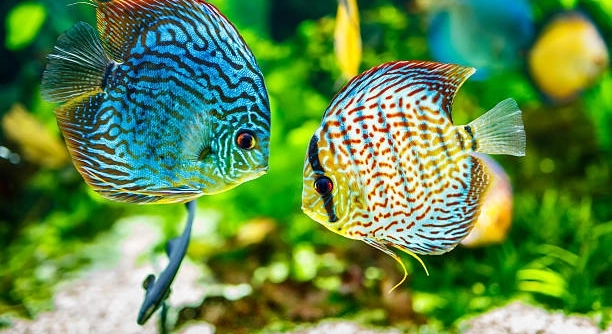
Many discus fish owners find it challenging to introduce new foods to their pets. Feeding a varied diet is important for discus health and coloration. Patience and the right techniques can make this process smoother and more effective.
Training discus fish to accept new foods requires consistent exposure, gradual introduction, and positive reinforcement. Techniques include mixing familiar and new foods, adjusting feeding times, and maintaining optimal water conditions to reduce stress and encourage acceptance.
Learning how to successfully expand your discus’ diet can improve their overall well-being and help prevent nutritional deficiencies. The following tips provide practical steps for this important task.
Gradual Introduction of New Foods
Introducing new foods to discus fish should be done gradually. Start by mixing small amounts of the new food with their regular diet. This helps the fish get used to the taste and texture without causing stress. Over several days, slowly increase the amount of new food while decreasing the old. This method reduces rejection and improves acceptance.
Maintaining consistency is key. Feed the mixture at the same times daily to build routine. Monitor the fish closely to ensure they are eating and showing no signs of distress. Keep the tank clean and the water quality high, as stressed fish are less likely to try new foods.
Some owners find it helpful to crush dry foods into smaller particles or soak pellets to make them more appealing. This adjustment can ease the transition and encourage discus to explore the new diet. Patience during this phase often leads to successful feeding changes.
Introducing food slowly allows discus to adapt naturally without shock or refusal.
Feeding Environment and Routine
Creating a calm feeding environment helps discus accept new foods. Avoid sudden movements or loud noises near the tank during feeding times.
Consistent feeding schedules build trust and anticipation. Discus fish respond well to routine and will be more likely to try new foods when they expect feeding at regular intervals. Feeding smaller amounts multiple times a day also encourages active eating and better digestion.
Use of Live and Frozen Foods
Live and frozen foods can be more attractive to discus than dry pellets. Their natural movement and texture stimulate the fish’s hunting instincts, making them more willing to try new foods. Incorporating these options can help transition discus to a varied diet.
Common live foods include bloodworms, brine shrimp, and daphnia. Frozen versions of these are also widely available and safer to use, as they reduce the risk of introducing parasites. Gradually offering live or frozen foods alongside regular meals encourages discus to accept changes without stress. It’s important to thaw frozen food properly and remove any leftovers quickly to maintain water quality.
When introducing live or frozen foods, observe how the fish react. Some discus prefer specific types, so experimenting with different options may be necessary. This approach adds diversity and enriches their diet, promoting better health and coloration.
Maintaining Water Quality During Feeding
Good water quality is essential when changing your discus’ diet. Feeding new foods can cause leftover particles to accumulate, increasing waste and affecting water parameters. Regular monitoring and maintenance keep the tank environment stable and comfortable for the fish.
Perform frequent water changes during diet transitions to remove uneaten food and waste. Use a reliable filtration system and test water parameters often. Ammonia, nitrite, and nitrate levels should remain low to prevent stress and illness. Clean tanks encourage healthy feeding behavior and reduce the risk of food rejection.
Maintaining proper water temperature and pH supports discus digestion and overall health. Consistent water conditions help discus adjust more easily to dietary changes. Clean water also prevents the growth of harmful bacteria and algae that may discourage fish from eating.
By prioritizing water quality, discus are more likely to accept new foods and thrive in their environment.
Observing Fish Behavior During Feeding
Watching discus closely during feeding helps identify preferences and potential issues. Noticing which foods they accept or reject allows for better adjustments to their diet. Behavior changes can also signal health problems early on.
Discus that actively swim and compete for food are usually healthy and comfortable with their environment. Lack of interest or hiding may indicate stress or illness.
Using Appetite Stimulants
Appetite stimulants can encourage discus to try new foods, especially if they are hesitant. These additives improve food smell and taste, making the fish more willing to eat. Use them sparingly and follow product instructions carefully.
Stimulants should not replace proper feeding practices but act as a helpful tool during dietary transitions. Overuse can reduce effectiveness over time and may affect water quality.
Avoiding Overfeeding
Overfeeding can lead to water quality issues and health problems. Feed only what discus can consume in a few minutes to avoid waste buildup. Smaller, frequent meals help maintain their appetite and prevent obesity.
Patience and Consistency
Consistent feeding routines combined with patience are essential for success. Changes in diet can take weeks before discus fully accept new foods. Sticking to a plan without sudden switches helps build trust and positive feeding habits.
How long does it take for discus to accept new foods?
The time needed varies depending on the individual fish and the type of new food. Some discus may accept new foods within a few days, while others take several weeks. Gradual introduction and consistency help speed up the process. Patience is important, as forcing new foods too quickly can cause stress and rejection.
Can discus be trained to eat pellets if they prefer live food?
Yes, discus can be trained to eat pellets even if they initially prefer live food. Start by mixing pellets with live or frozen foods to make pellets more appealing. Slowly increase the pellet portion over time while decreasing live foods. Crushing pellets into smaller pieces or soaking them can also help discus adjust to the texture.
What types of new foods are best for discus?
Good options include high-quality pellets, frozen bloodworms, brine shrimp, and daphnia. Vegetables like spinach or peas can be introduced in small amounts. Offering a variety ensures balanced nutrition and helps prevent dietary boredom. Choose foods that are fresh and safe to avoid harming water quality or fish health.
Is it normal for discus to reject new foods at first?
Yes, it is common for discus to reject unfamiliar foods initially. This is a natural reaction to change. Gradually mixing new foods with their current diet and repeating exposure helps discus become comfortable over time. Avoid sudden changes or removing familiar foods abruptly to reduce refusal.
How important is water temperature when changing a discus diet?
Water temperature plays a significant role in discus digestion and feeding behavior. Keeping the temperature between 82°F and 86°F supports proper metabolism. Sudden temperature changes can stress discus and make them less likely to accept new foods. Maintaining stable conditions is key during dietary transitions.
Can overfeeding cause discus to refuse new foods?
Yes, overfeeding can reduce a discus’ appetite and lead to refusal of new foods. Excess food in the tank also degrades water quality, causing stress. Feeding small amounts multiple times a day and removing uneaten food promptly encourages healthy eating habits and acceptance of new foods.
Should I remove uneaten food immediately?
It is best to remove uneaten food within 5 to 10 minutes to prevent water pollution. Leftover food breaks down quickly, increasing ammonia and nitrate levels. Clean water helps discus feel secure and more willing to try new foods.
Can stress affect a discus’ willingness to eat new foods?
Stress is a major factor in feeding refusal. Causes include poor water quality, sudden changes in environment, or aggressive tank mates. Reducing stress by maintaining stable tank conditions and minimizing disturbances during feeding helps discus feel safe and more open to new foods.
Is it helpful to feed discus in a separate tank when introducing new foods?
Feeding discus in a separate quarantine or hospital tank can help some fish focus on trying new foods without competition or distractions. However, this requires careful handling and acclimation. For many, consistent feeding in the main tank with gradual food introduction is sufficient.
Can using appetite stimulants harm discus or water quality?
When used as directed, appetite stimulants are generally safe for discus and tank water. Overuse or poor-quality products may cause water issues or reduce fish appetite over time. Use stimulants only occasionally and maintain regular water testing during feeding changes.
Changing a discus fish’s diet can be a slow process that requires patience and care. It is important to introduce new foods gradually and consistently. Mixing familiar foods with new ones helps discus adjust without stress. Maintaining stable water conditions and a calm feeding environment supports healthy feeding behavior. Each fish may respond differently, so observing their reactions closely is key to making the right adjustments. Avoid rushing the process, as forcing changes too quickly can cause stress and food rejection.
Feeding a varied diet benefits discus health and coloration. Including live, frozen, and prepared foods provides balanced nutrition and reduces the risk of deficiencies. It is helpful to experiment with different food types and textures to find what your discus prefer. Overfeeding and poor water quality should be avoided, as they can negatively affect both feeding behavior and overall health. Keeping the tank clean and monitoring water parameters during dietary changes is essential to support your fish through the transition.
Consistency and patience remain the most important factors in training discus to accept new foods. Small, regular feedings with steady exposure to new diet items will increase the chances of success. Paying attention to your discus’ behavior and health helps you respond promptly to any issues. By following these practices, you can improve your discus’ diet and well-being in a way that is safe and sustainable for both the fish and the aquarium environment.

Hello,
If you enjoy the content that we create, please consider saying a "Thank You!" by leaving a tip.
Every little bit helps us continue crafting quality advice that supports the health, happiness, and well-being of pets around the world, for pets of all shapes, sizes, and species.
We really appreciate the kindness and support that you show us!