
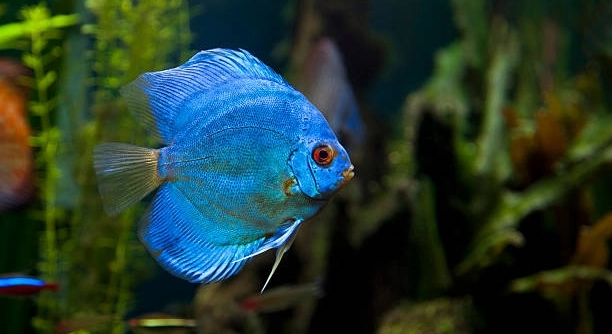
Discus quarantine is an important time to protect your fish from disease and stress. Handling them carefully during this period helps ensure their health and well-being. Knowing what to avoid can make this process smoother for both you and your discus.
There are specific actions that should be avoided during discus quarantine, such as overcrowding the tank, neglecting water quality, and sudden changes in environment. These missteps can cause stress, illness, and hinder recovery, compromising the fish’s health.
Understanding these key precautions will help you maintain a safe environment during quarantine. Avoiding common mistakes contributes to healthier discus and a more successful quarantine period overall.
Avoid Overcrowding the Quarantine Tank
Overcrowding is a common mistake during discus quarantine. It may seem convenient to quarantine multiple fish together, but this increases stress and the risk of spreading disease. Discus need space to swim calmly and recover from any illness or stress they might have. A crowded tank reduces oxygen levels and makes water quality management more difficult. Each discus should have enough room to move freely without bumping into others. Overcrowding can also lead to aggressive behavior, which harms their health further. Keeping the quarantine tank less populated allows for better observation of each fish’s condition and easier treatment if needed. A properly sized tank helps maintain stable water parameters, which is crucial during quarantine to avoid sudden shocks to the fish.
Too many discus in one tank can cause illness to spread quickly and slow recovery times. Space is vital for health.
Limiting the number of discus in quarantine improves their comfort and safety. It reduces stress, lowers disease risks, and helps maintain cleaner water. Observing fewer fish individually makes it easier to spot signs of illness early. A spacious tank allows discus to swim naturally and lowers competition for oxygen and food. This controlled environment supports their immune system during recovery. Taking this simple step enhances the effectiveness of quarantine and increases the chances of healthy fish returning to the main tank.
Maintain Stable Water Quality
Keeping water quality stable is essential in discus quarantine. Sudden changes in temperature, pH, or ammonia levels can stress the fish and weaken their immune system. Regular water testing and partial water changes help maintain clean and balanced conditions. Avoid using harsh chemicals or overfeeding, which can quickly deteriorate water quality. Discus are sensitive to even small fluctuations, so consistency is key. Proper filtration and aeration ensure good oxygen levels and remove waste. When water parameters are steady, discus are less prone to illness and recover faster. It is important to monitor the tank daily and address any issues immediately. Consistent care during quarantine prevents complications and supports healing.
Water quality is the backbone of a successful quarantine.
Regularly testing water and making gradual adjustments keeps discus safe. A clean environment prevents disease and reduces stress. Stability in temperature and chemistry helps fish adapt to their new setting. Overfeeding should be avoided as leftover food causes waste buildup, harming water conditions. Using a reliable filter and performing partial water changes keeps toxins low and oxygen high. Avoid sudden, large changes that can shock the fish. Keeping water parameters within safe ranges gives discus a chance to heal properly and remain strong. This careful maintenance makes a significant difference during quarantine and protects the long-term health of your fish.
Avoid Using Strong Medications Without Diagnosis
Strong medications can harm discus if used without proper diagnosis. Overmedicating may cause more stress and weaken their immune system. Only use treatments recommended by a professional or after careful observation.
Using strong medications without knowing the exact problem can do more harm than good. Many discus owners make the mistake of treating their fish aggressively at the first sign of illness. However, discus are sensitive, and harsh chemicals can damage their delicate skin and gills. Misusing medication might also kill beneficial bacteria in the tank, leading to poor water quality. It is better to identify the illness properly or consult an expert before starting treatment. Gentle care and proper medication will support the fish’s recovery more effectively.
Some illnesses require specific treatments, so guessing the problem can prolong recovery. Watch your discus carefully for symptoms and research or seek advice before using medication. If you are unsure, it is safer to quarantine fish in clean, stable water and provide good nutrition while observing them closely.
Avoid Sudden Changes in Environment
Sudden changes in temperature or lighting cause stress and weaken discus during quarantine. Gradual adjustments help them adapt more easily and stay healthy.
Discus are sensitive to their surroundings. When quarantining, it’s important to keep the environment as stable as possible. Sudden temperature shifts can shock their system and increase the risk of illness. Similarly, changes in lighting, such as bright or flickering lights, can stress them out. Gradual acclimation allows discus to adjust slowly without causing harm. Keeping the tank environment calm and predictable promotes faster healing and reduces stress levels. Simple steps like using a consistent light schedule and slowly changing temperature over hours can make a big difference. This steady care during quarantine supports their overall health and well-being.
Avoid Overfeeding During Quarantine
Overfeeding can quickly spoil water quality, causing stress and illness in discus. Feed small amounts and remove uneaten food to keep the tank clean.
Discus need less food during quarantine since they are often stressed. Feeding sparingly helps maintain stable water conditions and supports their recovery.
Avoid Handling Discus Too Much
Frequent handling increases stress and risks injury to discus. Limit interactions to only what is necessary during quarantine.
Avoid Using Tap Water Without Treatment
Tap water often contains chlorine and other chemicals harmful to discus. Always treat water before use to ensure safety.
What is the purpose of quarantining discus?
Quarantining discus helps prevent the spread of disease between new and existing fish. It allows you to observe and treat any signs of illness in a controlled environment. Quarantine also reduces stress on the main tank by isolating fish that may be vulnerable or recovering. This process is important to keep all fish healthy and maintain a balanced aquarium.
How long should discus be kept in quarantine?
Discus are typically quarantined for 2 to 4 weeks. This period gives enough time to monitor their health closely and treat any infections. Some illnesses may take longer to show symptoms, so maintaining quarantine for at least a month is often recommended. If fish appear healthy after this time, they can be safely introduced to the main tank.
What water parameters are best during quarantine?
Stable water conditions are critical. Keep temperature between 82°F and 86°F (28°C to 30°C), pH around 6.5 to 7.0, and ammonia and nitrite levels at zero. Regular testing ensures these parameters stay consistent. Sudden changes can cause stress and slow recovery, so adjustments should be made gradually.
Can I use medication as a preventive measure during quarantine?
Preventive medication is generally not advised unless there is a clear risk of infection. Overuse of medications can stress fish and damage beneficial bacteria. It’s better to observe and treat only if signs of illness appear. Using good water quality management and quarantine practices reduces the need for preventive drugs.
How often should water be changed in the quarantine tank?
Partial water changes of 20-30% should be done every 2-3 days. Frequent water changes keep waste low and maintain water quality. Be sure to treat new water before adding it to avoid introducing harmful chemicals. Avoid large or sudden changes, as these can stress discus.
What should I feed discus during quarantine?
Feed high-quality, easily digestible foods like pellets, flakes, or frozen foods in small amounts. Avoid overfeeding since discus eat less when stressed. Feeding two to three times daily in small portions is ideal. Proper nutrition supports the immune system and helps fish recover faster.
Is it okay to keep multiple discus together in quarantine?
It’s best to limit the number of discus per quarantine tank to reduce stress and prevent disease spread. Overcrowding makes water management difficult and increases aggression. Quarantining fish individually or in small groups allows better monitoring and safer recovery.
What signs indicate a discus is unhealthy during quarantine?
Common signs include loss of appetite, lethargy, clamped fins, abnormal swimming, white spots, or changes in color. Early detection allows prompt treatment and improves chances of recovery. Keep a close eye on behavior and physical condition daily.
Can I add plants or decorations in the quarantine tank?
Minimal decoration is recommended. Plants or hiding spots can reduce stress but avoid overcomplicating the tank. Decorations should be easy to clean and not interfere with observation or treatment. A simple setup is best for monitoring discus health.
What should I avoid during discus quarantine?
Avoid overcrowding, poor water quality, sudden changes in environment, overfeeding, excessive handling, and unnecessary medication. These actions increase stress and risk of disease. Following proper quarantine procedures supports discus health and prevents issues before adding fish to the main tank.
Quarantine is a crucial step when caring for discus fish. It helps protect both new and existing fish from disease and stress. During this period, maintaining stable water quality, avoiding overcrowding, and limiting handling are all important. Taking these precautions makes a big difference in the health of your discus. Following proper quarantine methods helps create a safer environment for the fish to recover and thrive.
Many common mistakes during quarantine can be avoided by understanding what to do and what to avoid. Overfeeding, sudden environmental changes, and using medication without diagnosis often cause more harm than good. Instead, focus on keeping the water clean and stable, feeding small amounts, and watching your fish closely for any signs of illness. Careful observation and patient treatment help discus heal more effectively and lower the risk of future problems.
By respecting these simple rules, you increase the chances of healthy discus joining your main tank. Quarantine is not just about isolating fish—it is about giving them the best chance to recover and stay strong. Taking the time and effort to do it right protects your investment and ensures your discus can live longer, healthier lives. This process benefits both you and your fish in the long run.

Hello,
If you enjoy the content that we create, please consider saying a "Thank You!" by leaving a tip.
Every little bit helps us continue crafting quality advice that supports the health, happiness, and well-being of pets around the world, for pets of all shapes, sizes, and species.
We really appreciate the kindness and support that you show us!