
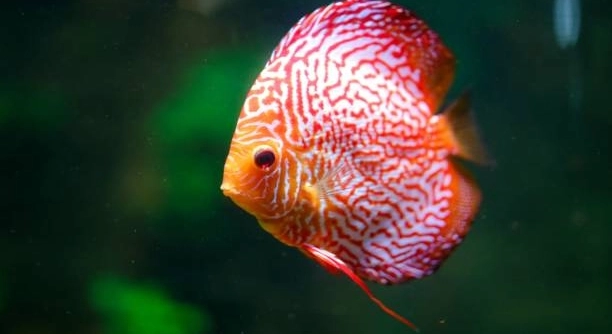
Discus fish are popular aquarium pets known for their vibrant colors and calm behavior. Many owners notice their discus freezing in place, which can be puzzling or concerning at times. Understanding this behavior helps keep these fish healthy and comfortable.
Discus fish often freeze in place as a response to stress, low water temperature, or changes in their environment. This behavior is a natural defense mechanism, reducing movement to conserve energy and avoid attracting predators. It can also signal health or water quality issues.
Learning more about why discus freeze can improve how you care for them. This article will explain common causes and suggest ways to keep your fish happy and active.
Common Causes of Discus Freezing
Discus fish can freeze in place for several reasons, most of which relate to their environment or health. One main cause is a sudden change in water temperature. Discus are tropical fish and prefer stable, warm water. If the temperature drops, they slow down and may stop moving to conserve energy. Another factor is poor water quality. High levels of toxins like ammonia or nitrites can stress the fish, making them freeze. Stress can also come from overcrowding or aggressive tank mates. Illness or parasites can cause freezing behavior too, as sick fish tend to be less active. Observing your fish closely can help you spot any changes early, allowing for quicker action to improve their condition.
Keeping water clean and stable is essential for discus to feel secure and active.
Freezing is often a sign that something needs attention in the tank.
Learning to identify these causes helps prevent problems and keeps your discus comfortable.
How Temperature Affects Discus Behavior
Discus fish thrive in water temperatures between 82°F and 86°F (28°C to 30°C). Temperatures below this range cause their metabolism to slow down significantly. This slowdown can make them freeze in place as their bodies try to conserve energy. When the temperature fluctuates or drops suddenly, discus may become stressed and stop swimming actively. In contrast, water that is too warm can also harm them, leading to illness and inactivity. Maintaining a stable, appropriate temperature is crucial to prevent freezing behavior. Using a reliable heater and thermometer will help keep the environment steady. Stable water temperature supports healthy digestion, immune function, and activity levels in discus.
The Role of Water Quality and Tank Environment
Good water quality is vital for discus health. Poor conditions like high ammonia, nitrite, or nitrate levels stress fish and can cause freezing behavior. Regular testing and water changes keep toxin levels low. Overcrowding or aggressive tank mates can also make discus feel unsafe, leading to freezing or hiding. Providing plenty of plants, hiding spots, and enough space helps reduce stress. Proper filtration and cleaning remove waste and prevent harmful buildup. Keeping the environment calm and stable encourages discus to swim naturally and interact more. Paying attention to these details ensures your discus stay active and healthy, avoiding the freezing response caused by stress or poor conditions.
Stress and Its Impact on Discus
Stress is a major factor causing discus to freeze. Changes in the tank or poor conditions can easily upset these sensitive fish. Stress makes them less active and more prone to illness.
Stress lowers the discus’ immune system, making them vulnerable to infections and diseases. Causes include sudden changes in water parameters, aggressive tank mates, or improper handling. Even loud noises or vibrations near the tank can trigger stress. When stressed, discus often freeze as a protective response, conserving energy and avoiding detection. Reducing stress means keeping their environment stable, quiet, and safe. Observing your fish regularly helps catch signs of stress early, allowing quick adjustments to improve their comfort and health.
Healthy discus show regular swimming patterns and bright colors. Stress and freezing usually go hand in hand with dull appearance or hiding behavior. Making small changes in tank setup or routine can greatly reduce stress and help discus feel more secure and active.
Illness and Freezing Behavior
When discus freeze unexpectedly, illness might be the cause. Diseases like bacterial infections, parasites, or fungal problems can affect their nervous system or energy levels. Sick fish often become immobile or hide more to avoid threats.
Symptoms of illness besides freezing include loss of appetite, faded colors, or damaged fins. Early treatment improves recovery chances, so monitor your discus closely. Quarantining new fish and maintaining good water quality help prevent disease outbreaks. If illness is suspected, testing water and consulting a vet or experienced aquarist is important. Proper medication and care can return discus to their normal active behavior, reducing freezing caused by poor health.
Feeding Habits and Freezing
Discus may freeze if they feel insecure during feeding times. Competition or sudden movements around the tank can cause them to stop moving.
Providing enough food and a calm environment during feeding helps discus eat without stress. Feeding smaller amounts more often can also reduce freezing caused by anxiety.
The Importance of Tank Setup
A well-organized tank with plenty of hiding spots reduces freezing behavior. Plants, driftwood, and rocks create secure areas where discus feel safe. Open spaces for swimming are equally important to encourage natural movement. A balanced setup lowers stress and keeps discus active.
Monitoring Behavior Changes
Watch your discus closely for any unusual freezing patterns. Changes in activity, appetite, or appearance often signal problems. Early observation allows for quick action to address environmental or health issues before they worsen.
FAQ
Why do discus freeze after water changes?
Discus are sensitive to sudden changes in their environment. When water is replaced too quickly or the new water has different temperature, pH, or hardness, they can become stressed and freeze. This is their way of coping with the unexpected change until conditions stabilize. To avoid this, make gradual water changes with water matching tank conditions as closely as possible.
Is it normal for discus to freeze during the night?
Yes, discus tend to be less active at night. They naturally rest and conserve energy when it’s dark, which can look like freezing. This behavior is normal and part of their natural cycle, especially if the tank lighting follows a consistent day-night schedule.
Can freezing indicate a serious illness?
Freezing can be an early sign of illness but is not always serious by itself. If freezing comes with other symptoms like loss of appetite, faded colors, or labored breathing, it’s important to check water quality and consider consulting a vet. Early detection and treatment improve chances of recovery.
How long can discus stay frozen in one spot?
Discus usually freeze for short periods, ranging from a few seconds to several minutes. Prolonged freezing, especially if paired with other signs of distress, may signal a problem. Observing their behavior over time helps determine if it’s normal or requires action.
Does temperature affect freezing behavior?
Yes, discus are tropical fish that prefer stable, warm water around 82°F to 86°F (28°C to 30°C). Cooler temperatures slow their metabolism, causing them to freeze more often. Maintaining consistent temperature within this range reduces freezing caused by cold stress.
Can stress from tank mates cause freezing?
Aggressive or overly active tank mates can scare discus, causing them to freeze or hide. Discus need peaceful companions and enough space to avoid feeling threatened. Choosing compatible species and providing hiding spots help reduce stress-related freezing.
Is freezing related to feeding problems?
Sometimes. If discus feel threatened or anxious during feeding, they may freeze instead of eating. Overcrowding during feeding times or sudden movements can cause this behavior. Feeding smaller amounts more frequently and creating a calm feeding environment can help.
What should I do if my discus freezes frequently?
Check water parameters such as temperature, pH, ammonia, nitrites, and nitrates. Ensure the tank is not overcrowded, and that there are no aggressive fish present. Observe your discus for signs of illness or injury. Make sure water changes are done carefully and provide hiding spots to reduce stress.
Can freezing cause long-term health problems?
Freezing itself is usually a short-term response. However, if it happens often due to stress, poor water quality, or illness, it can weaken the immune system and lead to more serious health issues. Preventing causes of freezing supports overall discus health.
Are young discus more likely to freeze?
Yes, young discus tend to be more sensitive and may freeze more often as they adjust to their environment. They need stable conditions and gentle care to grow strong. Providing a quiet tank with proper temperature and clean water helps reduce freezing in young fish.
Does the size of the tank affect freezing behavior?
Smaller tanks with less stable water conditions can increase stress and freezing behavior in discus. Larger tanks offer more space and more stable water parameters, which helps discus feel secure and reduces freezing. Proper filtration and regular maintenance are essential regardless of tank size.
How can I help my discus feel more comfortable to reduce freezing?
Maintain stable water temperature and quality, avoid sudden changes, and provide hiding spots. Use compatible tank mates and feed calmly. Regular observation helps catch problems early. A peaceful, well-maintained tank encourages discus to swim freely without freezing.
Is it possible for discus to freeze due to boredom?
While boredom isn’t a direct cause, a dull or poorly arranged tank can increase stress and inactivity. Discus need stimulation like plants, driftwood, and space to swim. An enriched environment keeps them engaged and reduces freezing caused by discomfort or stress.
Discus freezing in place is a common behavior that can be caused by several factors. It is often a sign that the fish are reacting to something in their environment, such as changes in water temperature or poor water quality. Freezing can also happen when discus feel stressed or threatened by tank mates or sudden movements around them. While this behavior may seem worrying at first, it is usually a natural response to help the fish conserve energy and avoid danger. Understanding the reasons behind freezing helps aquarists provide better care and create a more comfortable home for their discus.
Keeping discus healthy and active means paying close attention to their environment. Stable water temperature and good water quality are key to preventing freezing behavior caused by cold or toxins. Regular water testing and careful water changes are important steps to keep the tank safe. In addition, providing enough space, hiding places, and peaceful tank mates helps reduce stress. Stress can weaken discus and make them freeze more often, so creating a calm and secure tank is essential. Observing your discus daily allows you to notice any changes early and take action before problems get worse.
When discus freeze frequently or for long periods, it could indicate health issues. Illness, parasites, or infections often cause changes in activity and behavior. If you notice other signs like faded colors, loss of appetite, or damaged fins, it is important to check the tank conditions and seek advice if needed. Taking care of discus means understanding their needs and responding to their signals. With patience and attention, freezing behavior can usually be minimized, allowing your discus to live a healthier and more comfortable life.

Hello,
If you enjoy the content that we create, please consider saying a "Thank You!" by leaving a tip.
Every little bit helps us continue crafting quality advice that supports the health, happiness, and well-being of pets around the world, for pets of all shapes, sizes, and species.
We really appreciate the kindness and support that you show us!