
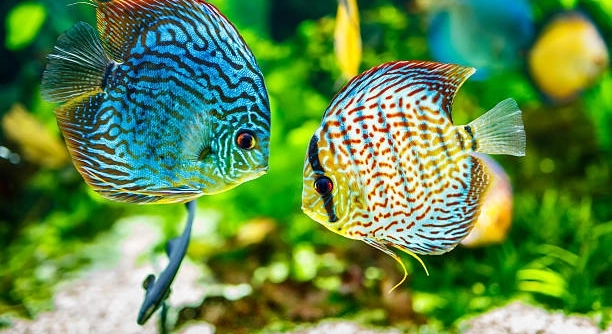
Feeding discus fry is a crucial part of raising healthy fish. Many aquarium owners want to know the best feeding schedule to ensure proper growth and development. This article will provide clear guidance on how often to feed them for optimal results.
Discus fry should be fed small amounts frequently throughout the day, typically every two to three hours. Consistent feeding helps maintain their energy levels and supports steady growth. Overfeeding or irregular schedules can lead to health problems and water quality issues.
Proper feeding frequency directly affects the fry’s survival and development. Following the right routine will help you raise strong and vibrant discus fish.
Understanding Discus Fry Feeding Needs
Feeding discus fry requires attention to their specific nutritional needs and digestive abilities. When fry first hatch, their digestive systems are delicate and can only process very small, frequent meals. Starting with infusoria or specially prepared liquid foods helps them get used to eating. As they grow, gradually introducing finely crushed flakes or baby brine shrimp provides the protein and nutrients necessary for healthy development. Consistent feeding times create a stable environment, reducing stress for the fry. It’s important to monitor how much they eat to avoid leftover food, which can pollute the water and lead to health problems. Maintaining clean water and adjusting feeding amounts based on growth stages are essential steps in successful fry care.
Proper nutrition at this early stage sets the foundation for strong, vibrant discus fish later on.
Feeding amounts should be carefully measured, offering just enough for the fry to finish within a few minutes. Observing their behavior during feeding can help determine if adjustments are needed. Overfeeding can cause water contamination, while underfeeding may slow growth. Keeping a regular schedule, feeding small portions five to six times a day in the first few weeks, then gradually reducing frequency, ensures the fry receive adequate nutrition without risking tank conditions.
Common Feeding Mistakes to Avoid
Feeding too much or too infrequently can harm discus fry health.
Many new caretakers overfeed thinking more food equals faster growth. However, uneaten food quickly deteriorates water quality, causing stress and disease. Feeding intervals that are too long may leave fry undernourished and weak.
A balanced approach involves small, regular meals and close attention to water cleanliness. Removing excess food promptly and maintaining proper tank filtration supports a healthy environment. This careful management prevents common problems such as fungal infections or swim bladder issues. Adjusting feeding frequency and quantity as the fry mature will keep them healthy and growing at a steady pace. Monitoring their size and activity regularly helps ensure feeding practices remain appropriate. Avoiding these mistakes improves the chances of raising strong, thriving discus fish.
Adjusting Feeding as Fry Grow
As discus fry grow, their feeding needs change quickly. Feeding frequency should gradually decrease while portion sizes increase.
Around three weeks old, fry can begin eating finely crushed pellets or small live foods like baby brine shrimp. At this stage, feeding three to four times daily is sufficient. They require more protein and energy to support rapid growth, so offering nutrient-rich food is important. Watching their behavior during feeding will help you find the right balance—if food remains uneaten, reduce the amount.
By six weeks, fry can usually eat larger pieces of food and feed twice a day. Proper adjustment helps prevent digestive issues and supports healthy development. Feeding habits must evolve with their growth to keep them strong and active.
Importance of Water Quality During Feeding
Water quality plays a vital role in the health of discus fry, especially during feeding times.
Excess food quickly pollutes the tank if not eaten promptly, leading to ammonia and nitrite spikes. These compounds are harmful and can stress or kill fry. Frequent water changes and strong filtration help maintain safe water conditions. Removing leftover food after feeding reduces waste buildup.
Keeping the tank clean supports the fry’s immune system and overall development. Clean water combined with proper feeding schedules creates an environment where discus fry can thrive without unnecessary risks or illness. Regular monitoring of water parameters is essential for successful fry rearing.
Recognizing When Fry Are Ready for New Foods
Discus fry show clear signs when they are ready to try new foods. Increased appetite and more active swimming often indicate readiness.
Their mouths will start accepting larger food particles. Introducing new foods gradually helps avoid digestive upset.
Feeding Frequency in Later Stages
As fry approach three months old, feeding frequency should reduce to two times daily. Portion sizes should increase to meet their growing energy needs. Offering a varied diet of high-quality pellets, frozen, and live foods supports continued healthy development. Monitoring growth helps adjust feeding amounts.
Avoid Overfeeding
Overfeeding can harm both fry health and tank conditions. Keeping portions moderate and feeding on a schedule prevents waste buildup.
FAQ
How often should discus fry be fed in the first week?
During the first week, discus fry need very frequent feedings, usually every two to three hours. They require small amounts of infusoria or liquid fry food to accommodate their tiny digestive systems. Feeding them five to six times daily ensures they get enough nutrients without overwhelming their delicate bodies.
What types of food are best for newly hatched discus fry?
Newly hatched discus fry do best with microscopic foods like infusoria or specially prepared liquid fry food. These foods are easy for them to digest and provide essential nutrients. After about two weeks, baby brine shrimp and finely crushed flakes can gradually be introduced as their digestive systems strengthen.
When can discus fry start eating larger foods?
Around three weeks old, discus fry can start eating larger, finely crushed foods like baby brine shrimp or high-quality flakes. This helps provide more protein and energy needed for rapid growth. By six weeks, they can handle larger pellets and live foods, feeding twice a day instead of multiple small feedings.
How much food should be given at each feeding?
Only offer enough food for the fry to finish within a few minutes. Overfeeding leads to leftover food, which pollutes the water and harms the fry. It’s important to observe their eating habits and adjust portions accordingly. Smaller, frequent feedings are better during early stages.
What happens if discus fry are overfed?
Overfeeding causes leftover food to decompose in the tank, raising ammonia and nitrite levels. Poor water quality stresses the fry, making them more vulnerable to disease and stunting their growth. It also encourages algae growth and bacterial blooms, which can further harm the tank environment.
How can water quality be maintained during feeding?
Maintaining clean water requires regular water changes, proper filtration, and prompt removal of uneaten food. Feeding small portions reduces waste, and frequent tank cleaning prevents harmful buildup. Testing water parameters regularly ensures ammonia, nitrite, and nitrate levels stay safe for the fry.
Is it necessary to change feeding frequency as the fry grow?
Yes, feeding frequency should decrease gradually as fry grow. Newborn fry need feeding every two to three hours, while older fry need fewer but larger meals. By three months, feeding twice a day is usually sufficient. Adjusting the schedule supports healthy growth and reduces the risk of digestive problems.
Can discus fry be fed frozen or live foods?
Yes, frozen and live foods are excellent for discus fry as they provide high protein and essential nutrients. Baby brine shrimp, microworms, and daphnia are popular choices. Live foods also encourage natural hunting behavior, helping fry develop stronger instincts and better health.
What signs indicate feeding problems in discus fry?
Signs include poor growth, lethargy, and leftover food remaining uneaten for long periods. Cloudy water and increased algae growth can also signal overfeeding. Fry may show swim bladder issues or infections if feeding is irregular or excessive. Monitoring behavior and water quality helps catch problems early.
How important is feeding schedule consistency?
Consistency in feeding times reduces stress for discus fry. A regular schedule helps regulate their metabolism and digestion. Irregular feeding can cause stress, affecting growth and increasing disease risk. Feeding at set times each day creates a stable environment conducive to healthy development.
Can adult discus feeding routines be applied to fry?
No, adult discus feeding routines differ significantly from fry needs. Fry require more frequent, smaller meals with easily digestible food. Adults can eat larger portions less frequently. Feeding fry like adults risks underfeeding or overfeeding, both of which can harm their development.
What are the best practices for transitioning fry to adult diets?
Transition should be gradual. Begin introducing finely crushed pellets and frozen foods as the fry grow. Slowly reduce the frequency of feeding while increasing portion size. Watch for acceptance and digestion of new foods. Proper transition minimizes stress and prepares fry for adult nutrition.
How can one tell if discus fry are hungry or full?
Hungry fry will actively swim toward food and open their mouths eagerly. Full fry lose interest in feeding and may swim away or ignore offered food. Overfeeding signs include leftover food and lethargy. Careful observation during feeding times ensures fry get the right amount.
What role does temperature play in feeding discus fry?
Temperature affects fry metabolism and appetite. Optimal temperatures around 82-86°F help fry digest food efficiently and promote growth. Lower temperatures slow digestion, which may require feeding less frequently. Maintaining stable temperature supports a healthy feeding routine and overall fry development.
Is there a difference in feeding discus fry from different strains?
Generally, feeding needs are similar across discus strains. However, some strains may grow faster or have slightly different nutritional requirements. Observing fry behavior and growth within your specific strain allows fine-tuning of feeding schedules and food types to best support them.
How long should discus fry be fed specialized fry food?
Specialized fry food is most important during the first six to eight weeks when digestive systems are still developing. After this period, fry can gradually transition to adult food types. Continuing fry food too long can limit growth, while switching too early may cause digestive problems. Balance is key.
Can supplements improve discus fry growth?
Supplements like vitamins and probiotics can support fry health but should be used cautiously. Overuse may disrupt tank balance. Proper diet, clean water, and appropriate feeding frequency are the most important factors. Supplements should complement, not replace, good feeding practices.
Feeding discus fry properly is one of the most important steps in raising healthy fish. Starting with very small, frequent meals helps the fry grow strong during their early stages. Using the right type of food, like infusoria and baby brine shrimp, ensures they get the nutrients they need. It is also important to adjust the feeding schedule and portion sizes as the fry develop. This careful attention prevents health problems and supports steady growth.
Maintaining good water quality goes hand in hand with proper feeding. Uneaten food can quickly pollute the tank, creating a harmful environment for the fry. Regular water changes and good filtration are necessary to keep the tank clean. Feeding only what the fry can eat in a short time limits waste and helps keep water parameters safe. Watching the fry closely during feeding times allows for adjustments in both food amount and frequency, creating a healthy balance.
Being consistent with feeding schedules and paying attention to the fry’s behavior makes a big difference in their development. Overfeeding or irregular feeding can cause stress and health issues. As the fry grow, gradually reducing feeding frequency and increasing food size will meet their changing needs. Following these steps improves the chances of raising vibrant, strong discus fish. Careful feeding paired with clean water provides the best environment for fry to thrive and grow into beautiful adults.

Hello,
If you enjoy the content that we create, please consider saying a "Thank You!" by leaving a tip.
Every little bit helps us continue crafting quality advice that supports the health, happiness, and well-being of pets around the world, for pets of all shapes, sizes, and species.
We really appreciate the kindness and support that you show us!