
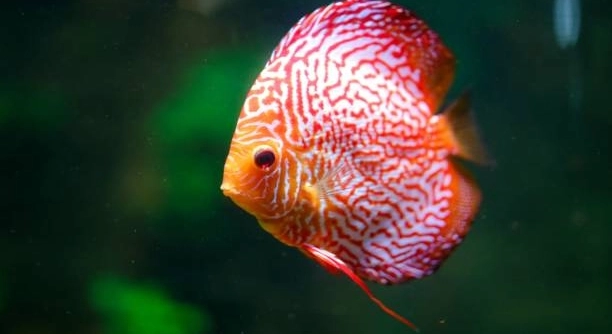
Is your discus fish suddenly showing a strange posture, with a hunched back and less graceful swimming? This change can be worrying, especially when it happens without warning or clear reason in an otherwise healthy tank.
The most common cause of a sudden hunched appearance in discus fish is spinal deformity, often triggered by poor water quality, internal infections, or nutritional deficiencies. Stressful conditions or past injuries may also contribute to postural changes.
Understanding the root cause helps ensure proper treatment, a stable environment, and long-term care for your discus fish’s well-being and comfort.
Common Reasons Behind a Hunched Discus
A hunched back in discus fish can develop quickly, often leaving owners confused. One of the most frequent causes is poor water quality. Even slight changes in ammonia, nitrite, or nitrate levels can impact a discus fish’s posture. Chronic exposure to unstable conditions weakens their immune system and leads to physical stress. Another common cause is internal infection, particularly parasitic or bacterial. These infections affect internal organs and can result in abnormal body shapes or swelling that mimics a hunched look. In some cases, genetic issues or past injuries may be to blame. Improper feeding routines, such as a lack of vital nutrients like calcium and vitamin D, can also lead to muscle weakness or skeletal deformities. It’s important to observe other signs like loss of appetite, faded color, or clamped fins, as these may point to a more serious health issue that needs immediate attention.
In rare cases, aggressive tank mates can cause injury that changes a discus fish’s posture.
Routine water testing and a balanced diet help prevent health issues that affect their spine. Providing stable conditions, safe tank decor, and quality food supports your discus fish’s strength and overall health. Early detection also improves the chances of reversing or minimizing posture changes.
How to Help Your Discus Recover
Start by checking water parameters using a reliable test kit.
Keep ammonia and nitrite at zero and nitrates under 20 ppm. Perform regular water changes—at least 25% twice weekly—using dechlorinated water. Raise the temperature to 86°F to support the immune system. Feed your discus high-quality, protein-rich food like beef heart mixes, supplemented with vitamins. Remove any aggressive fish from the tank to reduce stress. If infection is suspected, use medications recommended for internal parasites or bacteria, but always isolate the affected fish first. Maintain gentle filtration and stable pH around 6.5. Dim lighting slightly to reduce anxiety. Observe for improvement over several days. In cases where the posture does not improve, consult a vet with experience in aquatic animals. Long-term hunched backs may not fully heal, but with consistent care, the fish can still live comfortably. Keeping a log of water changes, diet, and symptoms helps you identify patterns and prevent future issues. Prevention plays the biggest role in keeping your discus healthy and graceful.
Preventing Future Issues
Keep your discus tank clean and consistent. Test the water weekly and avoid sudden changes in temperature, pH, or hardness. Use a heater, thermometer, and good filtration to maintain a stable and safe environment.
Feed your discus a varied diet with high-quality flakes, pellets, frozen foods, and occasional live options. This prevents nutritional gaps that could affect their development. Make sure they get enough vitamins, especially D and C, to support bone and tissue health. Avoid overfeeding, which leads to waste buildup and poor water conditions. Clean leftover food promptly. Reduce stress by keeping the tank calm, avoiding overcrowding, and limiting noise around the aquarium. Healthy discus thrive in peaceful setups with low lighting and consistent care routines.
Quarantine new fish for at least two weeks before introducing them. This helps prevent the spread of infections or parasites. Observe all fish regularly for early signs of stress, injury, or behavioral changes.
When to Seek Professional Help
If posture problems persist after water and diet adjustments, it may be time to get help. Visible swelling, labored breathing, or continuous hiding can signal serious internal issues that need professional care.
Reach out to a veterinarian who specializes in fish or exotic pets. They can run tests and diagnose internal infections or deformities more accurately. Some conditions, like chronic infections or advanced skeletal damage, can’t be resolved at home. Avoid using random medications without a diagnosis, as this may worsen the issue. Bring water samples and any observations you’ve recorded. If you’re part of an aquarium group or forum, you may also find recommendations for experienced aquatic vets in your area. Don’t delay care—early action can make a big difference in your discus fish’s recovery and long-term quality of life.
Monitoring Behavioral Changes
Watch for shifts in swimming patterns, such as drifting, tilting, or staying near the bottom. These changes may appear before physical symptoms and can signal discomfort or illness. Early signs often include hiding, darting, or avoiding food.
Keep a notebook or digital log of any behavior changes. Record dates, feeding habits, water test results, and other small details. Tracking these shifts helps identify patterns over time and supports better decision-making when caring for your discus.
The Role of Tank Setup
A peaceful, well-arranged tank supports healthy posture and reduces stress. Avoid sharp decorations that might injure your discus, and make sure plants or structures don’t block their swimming space. Use soft lighting and maintain a calm environment. Stress from poor layout can affect posture just as much as water quality.
Importance of Observation
Observing your discus daily helps catch subtle changes early. A few quiet minutes each day can make a big difference.
FAQ
Why is my discus fish hunched suddenly?
A sudden hunched posture usually points to health issues like infections, poor water quality, or nutritional problems. Stress or injuries can also cause changes. It’s important to check water parameters and diet first to identify possible causes and improve conditions.
Can poor water quality cause a hunched back?
Yes, even small changes in ammonia, nitrite, or nitrate levels can cause stress that weakens the fish’s body. Poor water quality affects the immune system, increasing vulnerability to infections or deformities that result in a hunched appearance. Regular testing and water changes prevent this.
Is a hunched back always a sign of illness?
Not always. Some discus fish may have mild skeletal deformities from birth or injury that don’t worsen. However, a sudden change in posture often signals illness or stress, so observation and action are necessary to prevent further health problems.
How can I improve my discus’s water quality?
Test your water weekly for ammonia, nitrites, and nitrates. Perform 25% water changes twice a week using dechlorinated water. Maintain stable temperature and pH levels, and use good filtration. Remove uneaten food and debris regularly to keep the tank clean.
What should I feed a discus with a hunched back?
Offer a balanced diet rich in protein and vitamins. Use high-quality frozen or prepared foods like beef heart mixes and supplement with vitamins D and C. Avoid overfeeding and remove leftovers quickly to maintain water quality and support the fish’s health.
Can stress cause posture changes in discus fish?
Yes, stress from aggressive tank mates, overcrowding, or sudden environmental changes can affect discus behavior and posture. Providing a calm, stable environment with compatible fish reduces stress and helps maintain healthy posture.
When should I use medication for a hunched discus?
Medication is appropriate when a bacterial or parasitic infection is confirmed or strongly suspected. Always isolate the affected fish and consult a vet or trusted aquatic specialist before treatment. Avoid random medication, which may harm the fish or worsen water conditions.
How long does it take for a discus to recover from a hunched back?
Recovery time varies depending on the cause and severity. Minor infections or stress-related posture issues may improve within days to weeks with proper care. Severe skeletal damage or chronic conditions may not fully heal but can be managed for comfort.
Can poor diet cause skeletal deformities in discus fish?
Yes, insufficient nutrients like calcium, vitamin D, and other essential vitamins can weaken bones and muscles, leading to deformities including a hunched back. A well-rounded diet helps maintain strong bones and healthy muscles, reducing the risk of deformities.
Is quarantine necessary for new discus fish?
Quarantining new fish for at least two weeks prevents introducing diseases or parasites that could cause posture or health problems. Observe new arrivals closely for signs of illness before adding them to your main tank.
Are there any tank decorations that can cause injury to discus fish?
Sharp or rough decorations may injure discus fish, leading to infections or stress that affect posture. Use smooth, safe ornaments and plants that don’t restrict swimming space. Providing enough room and gentle decor helps discus stay healthy and active.
Can a hunched discus still live a normal life?
Yes, many discus fish with minor hunched posture can live comfortably with proper care. While severe deformities may limit mobility, stable water conditions, good nutrition, and low stress improve quality of life. Regular monitoring is key to their well-being.
What signs besides hunched posture should I watch for?
Look for loss of appetite, faded colors, clamped fins, labored breathing, or unusual swimming patterns. These often accompany underlying health problems that affect posture. Early detection improves treatment success and recovery chances.
How often should I observe my discus fish?
Daily observation, even for a few minutes, helps catch subtle changes early. Noticing small shifts in behavior or appearance allows prompt response to health issues before they worsen. Consistent care makes a significant difference.
Can tank mates affect discus health?
Aggressive or overly active tank mates may stress discus fish, causing posture changes and lowered immunity. Choose peaceful species compatible with discus to maintain a calm environment. Avoid overcrowding to reduce competition and stress.
Is lighting important for discus health?
Yes, bright or flickering lights can stress discus fish. Soft, stable lighting creates a more natural and calming environment, supporting healthy behavior and posture. Adjust lighting duration to mimic natural daylight cycles.
What role does temperature play in discus posture?
Maintaining stable water temperature around 82–86°F supports discus metabolism and immune function. Sudden drops or fluctuations cause stress, which can lead to health problems and posture changes. Use reliable heaters and thermometers to keep temperature steady.
Can injuries cause a hunched back?
Yes, physical injuries from sharp objects or aggressive fish can cause hunched posture if muscles or spine are damaged. Prevent injuries by providing a safe tank layout and monitoring tank mate behavior. Treat wounds promptly to avoid infection.
How can I tell if my discus has internal infections?
Signs include swelling, lethargy, loss of appetite, faded colors, and hunched posture. Internal infections often require veterinary diagnosis and treatment. Observing multiple symptoms helps determine when professional care is necessary.
What is the best way to support a discus recovering from posture issues?
Maintain excellent water quality, feed nutritious foods, reduce stress, and isolate if needed. Regular observation and patience are important. Consult an aquatic vet if conditions don’t improve. Supportive care maximizes recovery chances and fish comfort.
Final thoughts on a discus fish suddenly developing a hunched posture focus on careful observation and consistent care. A hunched back is rarely a simple or isolated issue. It often reflects underlying problems like water quality, diet, infections, or stress. Addressing these factors promptly is key to helping your discus regain its health and comfort. Keeping a clean, stable tank environment and providing a balanced diet with essential nutrients supports the fish’s overall well-being. Small changes in behavior or appearance are important signals to note, as early intervention improves outcomes.
It is important to remember that not all cases will resolve quickly. Some discus fish with skeletal deformities or chronic conditions may show lasting posture changes. However, with the right care, they can still live a good quality of life. Avoiding overcrowding, maintaining gentle water flow, and ensuring peaceful tank mates reduces stress, which is critical for recovery. When infections are suspected, seeking advice from an experienced aquatic veterinarian can provide accurate diagnosis and appropriate treatment options. Random or excessive use of medications can do more harm than good, so professional guidance is valuable.
Ultimately, owning discus fish requires patience and attention to detail. Regular water testing, proper feeding, and close observation help prevent many issues before they develop. The presence of a hunched back is a sign that something needs adjustment in care or environment. By staying attentive to your fish’s needs and changes, you can provide a healthier, more stable life for your discus. This ongoing effort makes a positive difference in their posture, health, and longevity, helping you enjoy your aquarium for years to come.

Hello,
If you enjoy the content that we create, please consider saying a "Thank You!" by leaving a tip.
Every little bit helps us continue crafting quality advice that supports the health, happiness, and well-being of pets around the world, for pets of all shapes, sizes, and species.
We really appreciate the kindness and support that you show us!