
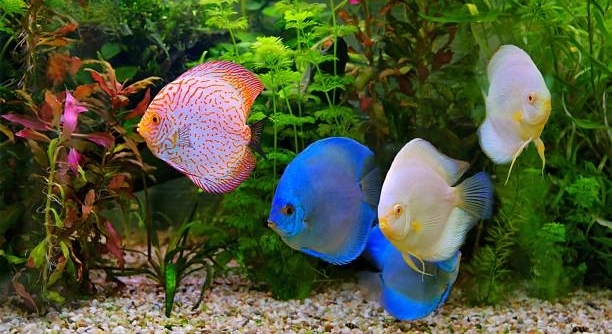
Discus fish are sensitive creatures that need a stable environment to thrive. Proper water temperature plays a key role in their health and behavior. Knowing how to spot if your discus is too cold is essential for their well-being.
Discus kept in water below their ideal temperature range can show signs of stress, slowed metabolism, and weakened immune response. Identifying symptoms such as lethargy, loss of appetite, or unusual swimming patterns helps prevent long-term harm and promotes recovery.
Recognizing these signs early allows you to take action and maintain a healthy habitat for your discus fish. The following details will help you understand what to look for.
Common Behavioral Changes in Cold Discus
When discus fish are too cold, their behavior changes noticeably. They may become sluggish, spending more time near the bottom of the tank or hiding behind decorations. You might see less movement and a decrease in their usual active swimming. These fish often lose interest in food, making feeding times challenging. Cold water slows down their metabolism, causing these shifts. Paying attention to these behavior changes can help you spot temperature problems before they worsen. Early observation is key to preventing serious health issues.
Discus showing unusual behavior often have lower energy levels, reduced feeding, and tend to isolate themselves from other fish in the tank.
Discus rely heavily on water temperature to maintain their normal activity. If they become lethargic or hide more, it signals their body is struggling to function well. Feeding refusal is also common, which can lead to further weakness. Maintaining the right temperature supports their immune system and promotes normal social interactions. Making adjustments quickly can help them regain their vitality and reduce stress.
Physical Signs of Cold Stress
Cold water can cause physical signs that are easy to notice. The colors of the discus may fade or become dull. You might observe clamped fins or a shrunken appearance. Their breathing rate could slow or become uneven. These symptoms indicate stress caused by lower temperatures. Keeping a stable, warm environment is essential to avoid these issues.
Physical symptoms like faded color and clamped fins indicate your discus is uncomfortable in cold water.
Fading colors happen because cold water slows the fish’s metabolism, affecting pigment cells. Clamped fins occur as the fish tries to conserve energy and protect itself. Slow or irregular breathing can also suggest difficulty in oxygen absorption when the water is too cold. These signs are warning flags that temperature adjustment is necessary. Addressing these issues early prevents long-term damage and keeps your discus healthy and vibrant.
Impact on Immune System
Cold water lowers the discus’s immune defenses, making them more prone to infections. Illnesses can develop quickly if the temperature isn’t corrected.
When discus fish experience prolonged exposure to cold water, their immune system weakens significantly. This makes it harder for them to fight off bacteria, parasites, and fungi. Even minor injuries or infections can become severe due to this weakened defense. Common problems include fin rot, fungal infections, and internal parasites. Ensuring water temperature remains within the ideal range supports the fish’s natural ability to resist diseases and heal faster.
A stressed immune system can cause long-term damage, affecting the discus’s overall health. Once infections take hold, recovery requires careful treatment and stable, warm conditions. Maintaining a consistent temperature reduces these risks and helps the fish stay strong and vibrant.
Changes in Feeding Habits
Discus that are too cold often refuse food or eat much less than usual. This can lead to weight loss and poor condition over time.
Feeding behavior is directly linked to water temperature. When the environment is colder than optimal, discus metabolism slows down, reducing their hunger and digestion efficiency. They may ignore food completely or nibble at it without enthusiasm. Prolonged refusal to eat can weaken their immune system further and increase susceptibility to diseases. Feeding smaller, more frequent meals can sometimes encourage eating, but correcting the temperature is the most effective solution.
It’s important to monitor feeding patterns closely and act quickly if your discus shows signs of poor appetite. Balanced nutrition is critical for recovery and overall health, and ensuring the right water temperature supports both appetite and digestion.
Difficulty Breathing
Cold water holds less oxygen, making it harder for discus to breathe properly. They may gasp at the surface or breathe rapidly.
Breathing difficulties can stress the fish further. If you notice your discus struggling to breathe, check the water temperature immediately and adjust it to the ideal range.
Reduced Growth Rate
Discus kept in cold water often grow slower than expected. Their metabolism slows down, affecting development and overall health.
Maintaining stable, warm water supports normal growth and helps your discus reach its full potential. Cold stress can stunt their progress and lead to lasting issues if not corrected.
Increased Susceptibility to Disease
Lower temperatures reduce the fish’s ability to fight infections. Illnesses spread more quickly in cold-stressed discus.
Monitoring temperature helps prevent health problems and keeps your fish strong and active.
How cold is too cold for discus fish?
Discus fish thrive best in temperatures between 82°F and 86°F (28°C to 30°C). Water below 78°F (25.5°C) is generally considered too cold for them. When temperatures drop below this range, their metabolism slows, and they begin showing signs of stress. Keeping the water consistently warm is crucial for their health and activity levels.
What are the first signs my discus is too cold?
Early signs include sluggish swimming, hiding more than usual, and reduced appetite. You may also notice faded colors and clamped fins. These subtle changes often signal the water temperature is too low and that the fish is struggling to maintain normal functions.
Can cold water cause death in discus fish?
Yes, prolonged exposure to cold water can weaken discus significantly. Their immune system becomes less effective, making them vulnerable to infections and illnesses. Without prompt correction, this stress can lead to serious health issues or death.
How quickly should I raise the water temperature?
Temperature changes should be made gradually, increasing no more than 2°F (1°C) per hour. Sudden shifts can shock the fish, causing additional stress or harm. Use a reliable heater and monitor the temperature closely to ensure a steady rise.
Can other fish in the tank affect discus temperature needs?
Yes, tank mates with different temperature preferences can make maintaining the ideal environment challenging. Some species prefer cooler water, which may conflict with discus needs. Choosing compatible fish that thrive in similar warm temperatures helps avoid these issues.
What equipment helps maintain the right temperature?
A quality aquarium heater with an accurate thermostat is essential. It keeps water temperature stable and prevents dangerous fluctuations. Additionally, a reliable thermometer lets you monitor the water continuously, ensuring conditions remain optimal for your discus.
Can diet help discus cope with colder temperatures?
While diet can support overall health, it cannot compensate for water that’s too cold. Offering high-quality, nutritious food can strengthen the immune system, but keeping the water temperature within the proper range remains the priority.
Is it normal for discus to eat less in cooler water?
Yes, lower temperatures slow their metabolism, leading to decreased appetite. However, prolonged lack of eating can cause serious problems. If you notice a significant drop in feeding, check the water temperature and adjust as needed.
How often should I check the water temperature?
Daily monitoring is best, especially during seasonal changes or if your heater is new or unreliable. Frequent checks help catch issues early and prevent temperature drops that could harm your discus.
Can temperature drops happen suddenly in home aquariums?
Yes, power outages, heater failures, or environmental changes can cause sudden temperature drops. Having a backup heater or power source and monitoring equipment helps protect your fish during unexpected events.
What is the ideal temperature range to keep discus healthy?
Keeping the tank between 82°F and 86°F ensures discus maintain normal metabolism, behavior, and immune function. Staying within this range supports growth, feeding, and overall vitality.
Are there natural behaviors discus show when cold?
Cold discus often become inactive, hide more, and may isolate themselves. They stop schooling or interacting normally with other fish. These changes are their way of conserving energy during stressful conditions.
Can adjusting the temperature fix all health issues related to cold?
Raising the temperature to the proper range can reverse many cold-related symptoms, but some illnesses may require additional treatment. Promptly addressing infections or parasites is important alongside temperature correction.
How does cold water affect discus breeding?
Cold temperatures inhibit spawning and egg development. Breeding discus require stable warm water to encourage mating behavior and support healthy fry growth.
What steps can prevent temperature problems in discus tanks?
Use a reliable heater and thermometer, check temperature daily, choose compatible tank mates, and avoid placing the tank in drafty or cold areas. Proper maintenance helps keep conditions steady and safe.
Can sudden temperature changes stress discus even if the water is warm?
Yes, frequent fluctuations, even within acceptable ranges, can stress discus. Consistency is key to maintaining healthy fish. Avoid rapid or frequent temperature swings.
Is it okay to turn off the heater overnight in a warm room?
Generally, it’s best to keep the heater running 24/7. Room temperature often fluctuates too much, risking drops that can stress your discus. Continuous heating ensures stable conditions.
What should I do if my discus shows signs of cold stress?
Check and adjust the water temperature gradually. Monitor the fish for improvements, and if symptoms persist, consider consulting a vet or aquatic specialist. Prompt action improves recovery chances.
Keeping discus fish at the right temperature is essential for their health and happiness. Cold water can cause many problems, including stress, illness, and slow growth. It is important to maintain a stable temperature between 82°F and 86°F to support their natural behaviors and immune system. When discus are too cold, they become less active, lose appetite, and show physical signs like faded colors and clamped fins. These issues not only affect their well-being but can also lead to serious health problems if not addressed quickly.
Careful monitoring of water temperature is a key part of discus care. Using a reliable heater and thermometer can help keep the tank conditions steady. Sudden changes or prolonged exposure to cold can harm discus, so it’s best to avoid temperature drops. Feeding habits can also change when the water is too cold, with fish eating less and losing weight. Keeping the water warm supports normal feeding and digestion. If you notice any unusual behavior or physical signs, checking the temperature should be one of the first steps you take.
Taking the time to create a consistent environment helps your discus thrive. Avoid placing the tank in drafty areas or where room temperature fluctuates widely. Choose compatible tank mates that prefer similar temperatures to avoid conflicts. If your discus does show signs of being too cold, slowly raise the temperature and monitor their recovery. With steady care and attention to water temperature, your discus can live healthy, active lives. Temperature control is one of the most important factors in providing the best home for these beautiful fish.

Hello,
If you enjoy the content that we create, please consider saying a "Thank You!" by leaving a tip.
Every little bit helps us continue crafting quality advice that supports the health, happiness, and well-being of pets around the world, for pets of all shapes, sizes, and species.
We really appreciate the kindness and support that you show us!