
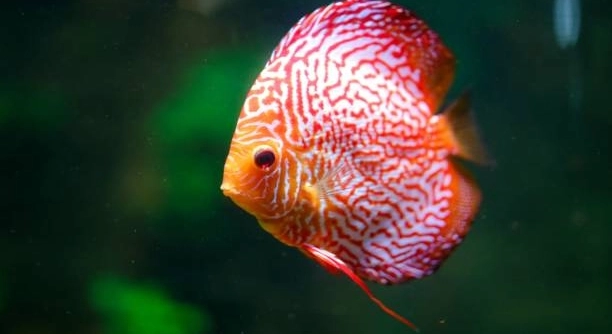
Water flow is an important factor in keeping discus fish healthy and comfortable in their tanks. Different flow settings can affect how discus respond and behave in their environment. Understanding these responses can help create a better habitat for them.
Discus fish generally prefer gentle to moderate water flow, which mimics their natural slow-moving river environments. High or turbulent flow can cause stress, while very low flow may lead to poor oxygen circulation. Balancing flow settings is essential for their well-being.
Knowing how discus react to various water flows can improve their health and reduce stress. This article will explain seven key flow settings discus respond to.
Gentle Flow
A gentle water flow creates a calm environment that closely resembles the natural habitat of discus fish. In the wild, discus live in slow-moving rivers and flooded forests where water moves steadily but not forcefully. This type of flow helps reduce stress and encourages natural behaviors like feeding and socializing. Gentle flow also ensures that the water remains well-oxygenated without overwhelming the fish. Many hobbyists notice that discus seem more relaxed and vibrant when the water movement is mild. Too much flow can make them swim against currents constantly, which tires them out and raises stress levels. Adjusting filters or pumps to reduce strong currents helps create this balanced, gentle environment that discus appreciate.
Gentle flow supports discus well-being by maintaining steady water circulation without causing distress.
Creating a gentle flow in your tank can be done by using sponge filters or adjusting the output of canister filters. Positioning spray bars or diffusers to spread water evenly helps maintain this flow. This setup reduces strong currents and mimics natural conditions, allowing discus to swim calmly and conserve energy. It also helps with the distribution of nutrients and oxygen throughout the aquarium, supporting overall fish health.
Moderate Flow
Moderate water flow offers a balance between movement and calmness that can benefit discus tanks with good filtration needs.
Moderate flow enhances oxygen exchange and waste removal while still providing a comfortable environment for discus. This flow level encourages activity without causing excessive stress. In tanks with moderate flow, discus often display more natural swimming patterns and remain more active during the day. This setting supports biological filtration by keeping debris suspended for easier removal. However, care must be taken to avoid making the current too strong. Adjusting filter power and flow direction is key to maintaining moderate flow. Aquarists find that discus thrive when moderate flow is combined with plenty of hiding spots and plants, giving fish places to rest from the current. Achieving this balance can improve tank conditions and promote healthier discus behavior.
High Flow
High water flow can overwhelm discus, causing stress and erratic swimming. It is generally not recommended for these fish.
Strong currents force discus to swim constantly against the flow, which can exhaust them. This stress may lead to weakened immune systems and make them more prone to disease. High flow also disrupts their natural behaviors, such as resting and feeding, because the fish struggle to maintain position in the tank. While some fish enjoy strong currents, discus prefer calm conditions. If your tank has a powerful filter, use deflectors or spray bars to reduce the direct impact of the flow. Creating areas of low current with plants or decorations can help discus find shelter and feel secure.
In some setups, high flow may help keep the tank clean, but it’s important to balance this with the needs of your discus. Avoid placing them directly in the strongest currents to ensure their comfort and health.
Variable Flow
Variable flow provides changing water movement that can simulate natural conditions more realistically. It helps keep discus engaged and active.
Changing flow speeds throughout the day mimics the fluctuating currents found in rivers. This variety encourages discus to explore different areas of the tank and promotes natural behavior patterns. Variable flow can be created using adjustable pumps or timers that alter water output at intervals. This approach helps prevent stagnation and maintains good oxygen levels. Discus tend to respond well to these changes as long as the shifts are not sudden or too strong. Gradual adjustments allow the fish to adapt comfortably to different flow conditions.
Maintaining a balance between calm and moderate flow with occasional variations supports both the physical health and mental stimulation of discus, promoting a more dynamic and natural tank environment.
Low Flow
Low flow creates a very calm tank environment that some discus may appreciate for resting.
However, too low a flow can cause poor oxygen circulation and allow debris to settle, which may harm water quality.
Filter Flow
The flow from aquarium filters plays a major role in creating water movement. Filters vary in strength and type, so selecting the right one is important for discus tanks. A filter with adjustable flow settings helps balance filtration needs and fish comfort. Strong output can be softened using spray bars or diffusers. Proper placement of the filter outlet can reduce direct currents that disturb discus. Effective filtration removes waste and maintains clear water, but excessive flow should be avoided. Choosing a filter designed for gentle to moderate flow supports a healthy environment and happy discus.
Surface Agitation
Surface agitation improves oxygen exchange at the water’s surface, benefiting discus health.
FAQ
What is the ideal water flow for discus fish?
Discus prefer gentle to moderate water flow, which closely mimics their natural habitat. Too strong a current can stress them, while very low flow may reduce oxygen circulation. The goal is to maintain steady movement without causing the fish to fight the current constantly. This balance helps discus stay calm and healthy.
How can I reduce strong water flow in my tank?
If your filter or pump creates too much current, use deflectors, spray bars, or diffusers to break up the flow. Position these so water spreads gently across the tank instead of rushing directly at the fish. Adding plants or decorations can also create calm areas where discus can rest away from strong currents.
Can high water flow harm discus?
Yes. High water flow can exhaust discus by forcing them to swim continuously against strong currents. This stress weakens their immune system and can make them more vulnerable to illness. It also disrupts their natural behavior, causing anxiety and reduced feeding.
Is low water flow bad for discus tanks?
While low flow can be calming, if the water is too still, oxygen levels may drop and waste can accumulate. This reduces water quality, which harms discus health. A gentle, steady flow is better to keep oxygen circulating and debris suspended for removal.
How do variable flow settings affect discus?
Variable flow mimics natural changes in water currents, encouraging discus to be more active and engaged. It helps prevent stagnation and supports healthy oxygen levels. However, changes in flow should be gradual to avoid stressing the fish.
What kind of filter is best for discus tanks?
Filters with adjustable flow settings are ideal. Canister filters and sponge filters often work well because they provide good filtration while allowing control over water movement. Using spray bars or diffusers can help soften the output and create a gentle flow.
How important is surface agitation for discus?
Surface agitation improves oxygen exchange, which is crucial for discus health. It should be gentle enough not to create strong currents but enough to keep the water surface moving. This helps maintain oxygen levels without stressing the fish.
Can plants help with water flow management?
Yes, plants and decorations break up strong currents and create calm zones in the tank. This gives discus places to rest and reduces stress. Live plants also contribute to better water quality by absorbing nutrients and producing oxygen.
Should water flow be constant or variable throughout the day?
Variable flow can be beneficial if done gradually. It simulates natural conditions and keeps the tank environment dynamic. However, sudden or extreme changes should be avoided, as they may startle or stress discus. A mostly steady flow with slight variations is best.
How do I know if the water flow is stressing my discus?
Signs include frantic swimming, hiding excessively, loss of appetite, and pale coloration. If discus seem constantly tired or are struggling to hold position in the tank, the flow may be too strong. Adjusting flow settings and providing calm areas can help reduce stress.
Can water flow affect discus breeding?
Yes. Strong currents can disrupt breeding behavior by preventing discus from laying eggs securely or protecting fry. Gentle flow supports breeding by providing stable conditions and allowing parents to care for their young without interruption.
Is it necessary to change water flow settings for different seasons?
Adjusting flow according to temperature or tank conditions can be helpful. For example, warmer water holds less oxygen, so slightly increasing flow or surface agitation may be needed. However, keep changes gradual to avoid stressing the fish.
How often should I check or adjust water flow in a discus tank?
Regular monitoring is important. Check flow after maintenance or filter changes and observe fish behavior daily. Adjust flow as needed to keep conditions optimal. Keeping flow consistent supports discus health and reduces stress.
Can too much surface agitation be harmful?
Yes, excessive surface agitation can create strong currents that disturb discus. It may also cause water temperature fluctuations and stress the fish. The goal is gentle movement to improve oxygen without overwhelming the tank inhabitants.
What is the easiest way to test water flow strength?
Observe how discus swim and rest. If they struggle or avoid certain areas, flow may be too strong. You can also use a floating object like a leaf or small piece of paper to see how fast it moves. Adjust the filter or pump accordingly for a gentle current.
Final thoughts on water flow for discus fish focus on finding the right balance that supports their health and comfort. Water flow is more than just movement; it impacts oxygen levels, waste removal, and the fish’s overall stress. Discus come from slow-moving rivers, so they prefer gentle to moderate currents. When the flow is too strong, it can cause exhaustion and stress. On the other hand, very low flow can reduce oxygen circulation and allow debris to settle, which harms water quality. A balanced flow keeps the tank environment stable and helps discus thrive.
It is important to adjust water flow carefully based on the specific needs of your tank and your discus. Filters and pumps vary widely, so using tools like spray bars or diffusers can help reduce strong currents and spread water movement evenly. Providing hiding spots with plants and decorations can also create calm areas for discus to rest. Keeping the flow steady but not overpowering allows discus to swim naturally without fighting the current. Observing their behavior is key—if discus seem stressed or are struggling in the current, adjusting the flow will improve their comfort.
Water flow is not a one-size-fits-all setting. Some aquarists use variable flow to mimic natural river changes, while others keep a gentle steady flow. Surface agitation also plays a role in maintaining oxygen levels but should be kept moderate. Finding the right water flow setting improves not only the health of discus but also their natural behavior and breeding success. Paying attention to water flow is a simple way to create a healthier, happier environment for discus fish in any home aquarium.

Hello,
If you enjoy the content that we create, please consider saying a "Thank You!" by leaving a tip.
Every little bit helps us continue crafting quality advice that supports the health, happiness, and well-being of pets around the world, for pets of all shapes, sizes, and species.
We really appreciate the kindness and support that you show us!