
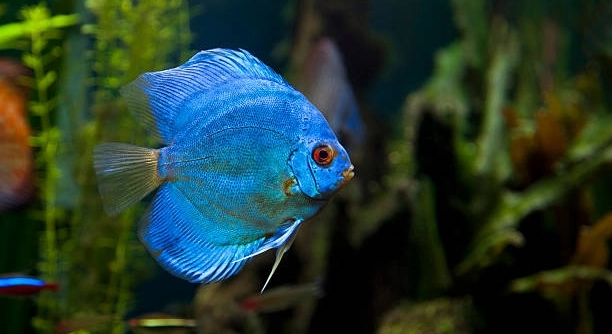
Are your discus fish always found lingering at the back of the tank? This common behavior can be puzzling for many aquarists trying to create a comfortable environment for their fish. Understanding the reasons behind this can improve your tank’s overall health.
Discus fish staying at the back of the tank is often a sign of stress or discomfort caused by factors such as water quality, tank setup, or social dynamics. Ensuring stable water parameters, adequate hiding spots, and proper tank mates can encourage more natural behavior and activity.
Learning what influences their positioning helps create a better habitat for your discus. These insights will assist in improving their comfort and well-being in your aquarium.
Common Reasons Why Discus Stay at the Back of the Tank
Discus fish often retreat to the back of the tank when they feel insecure or stressed. This can happen if the water quality is not ideal. Poor water parameters, such as incorrect temperature, high ammonia, or uneven pH, make discus uncomfortable. Tank setup also plays a big role. If there aren’t enough hiding spots or plants, discus might feel exposed and seek shelter at the back where they feel safer. Another factor is tank mates. Aggressive or fast-moving fish can intimidate discus, causing them to stay away from the front or center. Even lighting that is too bright can make discus prefer the darker, quieter areas in the back. Observing these environmental factors closely can help pinpoint why your discus behave this way.
Water quality and tank setup are key elements in encouraging discus to explore the entire tank.
Adjusting these aspects will help your discus feel more confident and active in their space, improving their health and behavior.
Water Quality and Its Impact on Discus Behavior
Water quality directly affects how comfortable discus feel in their environment. When parameters like temperature, ammonia, nitrites, and pH are off, discus show signs of stress by hiding. Maintaining stable water conditions is essential for their well-being. Use a reliable test kit to monitor these levels regularly and perform water changes as needed. Clean water reduces stress and encourages discus to swim openly. Even small changes can disrupt their comfort zone, so consistency is important. Besides chemistry, oxygen levels and filtration also matter. Proper filtration keeps the water clear and safe, while good oxygen levels support their respiration. When these needs are met, discus are more likely to be active and confident, moving away from the back of the tank to explore.
Consistent water quality creates a stable environment that supports discus health.
Clear, balanced water reduces stress and promotes natural, active behavior in discus fish.
Tank Setup and Environment
Discus feel safer when their tank has plenty of hiding spots. Decorations like plants, driftwood, and caves give them places to retreat. Without these, they may stay near the back to avoid feeling exposed.
Adding live plants not only provides cover but also improves water quality by absorbing nitrates. Soft substrates and gentle lighting mimic their natural environment, reducing stress. A spacious tank with clear swimming areas lets discus move comfortably when they feel secure. Positioning decorations to create quiet corners encourages more natural behavior. Keeping the environment calm and consistent helps discus explore beyond the back of the tank and engage with their surroundings.
Social Behavior and Tank Mates
Discus are social fish but can be shy or stressed around aggressive or overly active tank mates. When housed with fish that chase or bully them, discus often retreat to avoid conflict. Choosing peaceful companions helps maintain a calm tank atmosphere. Grouping discus together in small schools supports their social nature and reduces fearfulness.
Introducing new fish slowly and monitoring interactions is important. Stress from inappropriate tank mates can weaken discus immune systems, making them more prone to disease. Keeping tank mates compatible ensures discus are relaxed enough to swim freely throughout the tank. This balance encourages healthier, more confident behavior from your discus fish.
Lighting and Its Effects
Bright lighting can make discus uncomfortable, causing them to hide at the back. Dimmer, natural-style lighting helps them feel more secure and less exposed.
Using adjustable lights or floating plants can reduce glare. This creates shaded areas where discus can relax and gradually become more active.
Feeding Habits and Positioning
Discus may stay at the back if they feel threatened during feeding. Feeding smaller amounts more frequently can reduce competition and stress. Providing food near different tank areas encourages them to explore and come forward.
Temperature Stability
Maintaining a stable water temperature is crucial. Fluctuations stress discus and can lead them to stay hidden. Keeping the tank between 82°F and 86°F supports their comfort and natural activity levels.
Signs of Illness
If discus stay at the back and show lethargy or loss of appetite, illness may be present. Early detection and treatment improve recovery chances.
FAQ
Why do my discus hide at the back of the tank all the time?
Discus often hide at the back when they feel stressed or unsafe. This can be due to poor water quality, bright lighting, lack of hiding places, or aggressive tank mates. Improving tank conditions and creating a calm environment helps them feel more secure and active.
How can I encourage my discus to swim in the front of the tank?
Provide plenty of plants and decorations to create safe zones throughout the tank. Use dim lighting or floating plants to reduce brightness. Feed small amounts near different areas to encourage exploration. Also, keep water parameters stable and choose peaceful tank mates.
Is water temperature important for discus behavior?
Yes, discus prefer warm, stable temperatures between 82°F and 86°F. Temperature swings cause stress, making them hide more. Using a reliable heater and thermometer helps maintain consistent warmth, supporting their natural activity and reducing hiding behavior.
Can poor water quality cause discus to stay at the back?
Absolutely. High ammonia, nitrites, or incorrect pH can stress discus. Regular water testing and changes keep water clean and balanced. Stress from poor water quality affects their health and causes hiding.
Do tank mates affect discus behavior?
Yes, aggressive or fast-moving fish can intimidate discus. This causes them to retreat. Choosing peaceful tank mates and keeping discus in groups reduces stress, helping them feel safe enough to swim openly.
Could illness cause discus to hide more?
Yes, illness often causes lethargy and hiding. Loss of appetite, faded colors, or clamped fins are signs. Quarantining sick fish and treating them early improves recovery and stops disease spread.
How often should I feed discus to reduce hiding?
Feeding smaller portions multiple times daily reduces competition and stress. This encourages discus to come out and feed calmly, rather than hiding to avoid other fish.
Does lighting affect discus activity?
Bright lighting can stress discus and push them to hide. Using adjustable lights or adding plants for shade helps create a more natural, comfortable setting, encouraging discus to swim freely.
What tank setup works best to prevent discus from hiding?
A tank with plenty of live plants, driftwood, and caves offers hiding spots without overcrowding. Soft substrate and gentle water flow mimic natural habitats. This setup helps discus feel secure but free to explore.
Can sudden changes in the tank cause discus to hide?
Yes, sudden changes like water parameter shifts, new tank mates, or rearranged decorations cause stress. Introducing changes gradually and monitoring fish helps discus adapt without hiding excessively.
Final thoughts on why discus fish often stay at the back of the tank focus on understanding their needs and behaviors. Discus are sensitive fish that require stable and comfortable environments to thrive. When they choose to stay near the back, it is usually a sign they are trying to protect themselves from stress or discomfort. This behavior is natural, but it also signals that something in their tank might need attention. Whether it is water quality, tank setup, lighting, or tank mates, these factors play a big role in how your discus behave.
Maintaining clean and stable water conditions is one of the most important steps to keep discus healthy and active. Sudden changes or poor water quality can cause stress and make them retreat to safer areas in the tank. It’s important to regularly check water parameters such as temperature, pH, ammonia, and nitrites. Keeping these within the ideal range helps discus feel secure. Adding plants, driftwood, and hiding spots also supports their sense of safety and encourages them to swim around more freely. Avoiding overly bright lights or aggressive tank mates further reduces stress, helping discus show more natural and lively behavior.
In the end, paying close attention to the tank environment and discus behavior helps identify issues before they become serious problems. Small adjustments like improving water quality, adding decorations, or choosing better tank mates can make a big difference. Discus may take time to adjust, but with patience and proper care, they will start exploring the entire tank instead of hiding at the back. Understanding these needs and responding to them creates a healthier, happier space for your discus fish, improving their well-being and your enjoyment of the aquarium.

Hello,
If you enjoy the content that we create, please consider saying a "Thank You!" by leaving a tip.
Every little bit helps us continue crafting quality advice that supports the health, happiness, and well-being of pets around the world, for pets of all shapes, sizes, and species.
We really appreciate the kindness and support that you show us!