
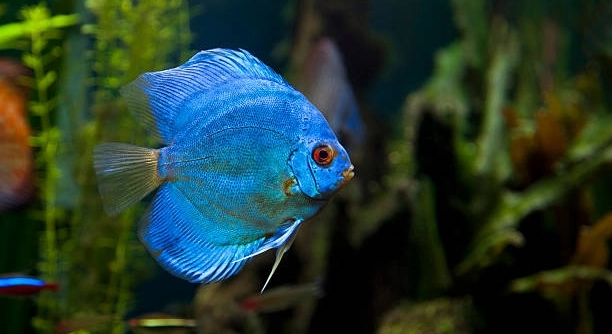
Do you ever find yourself second-guessing how much or how often to feed your discus fish? These vibrant and sensitive creatures often spark confusion among even the most experienced fishkeepers, especially when it comes to feeding habits.
Many discus keepers unknowingly follow feeding myths that can harm fish health, lead to water quality issues, or cause unnecessary stress. Understanding the truth behind these myths is essential for proper care and long-term success in discus keeping.
Feeding your discus the right way can feel overwhelming, but separating fact from fiction makes a noticeable difference in their overall health and behavior.
Myth 1: Discus Need to Eat Only Once a Day
Feeding discus just once a day is a common practice, especially among new keepers. But this approach doesn’t meet their needs. Discus are active fish with fast metabolisms, and they thrive on multiple small meals. In their natural habitat, they graze throughout the day. Offering food only once can lead to malnourishment, stunted growth, and stress. It can also cause aggression, as stronger fish fight for limited food. Feeding two to five times a day, in smaller amounts, allows each fish a fair chance to eat. This helps them stay healthy, maintain color, and grow properly. It also keeps their immune systems strong, making them less likely to fall sick. Overfeeding in one large meal can spoil water quality quickly, leading to more tank maintenance and potential health problems. So, a feeding schedule with consistency and balance is much more beneficial than a once-a-day habit.
Feeding more often does not mean dumping food in the tank.
Spreading out feedings keeps your discus active and more responsive to your presence. They begin to associate you with food and often swim more confidently when they know a meal is coming. Regular feeding times also make it easier to spot changes in appetite, which can signal illness early.
Myth 2: Live Food Is Always Best
Live food may seem like the most natural option, but it’s not always safe.
Many keepers believe live food is essential for discus health, color, and growth. While it can be part of a well-rounded diet, it comes with risks. Live food often carries harmful bacteria or parasites, especially if it’s not sourced or handled properly. This can lead to infections that quickly spread in the tank. Bloodworms and blackworms, for example, are popular choices but can spoil water fast if not eaten immediately. Uneaten live food sinks, decays, and adds to ammonia buildup. Relying too heavily on live food also creates picky eaters. Some discus may refuse pellets or flakes after getting used to live prey, which becomes a problem if you run out or want a cleaner feeding option. Frozen or high-quality prepared foods are safer and easier to manage. They give you more control over portion sizes and reduce the chance of introducing harmful bacteria into the tank. A balanced mix that includes frozen food, pellets, and occasional live food can support long-term health and stable tank conditions.
Myth 3: Overfeeding Once a Week Helps Them Grow Faster
Overfeeding discus once a week can do more harm than good. Large, infrequent meals stress their digestive systems and pollute the tank. Discus need steady nutrition, not irregular bursts of excess food.
When too much food is dumped into the tank, discus may eat beyond their limit, which leads to bloating and constipation. Leftover food also breaks down quickly, creating poor water quality and harmful spikes in ammonia and nitrites. These conditions weaken the fish’s immune system and invite infections. Instead of giving them one big feeding day, offer smaller meals consistently throughout the week. This ensures they digest properly, grow steadily, and stay healthy. Overfeeding doesn’t speed up growth—it increases health problems and water changes. Growth in discus depends on balanced nutrition and clean water, not how much food they can eat at once. Regular, measured feedings are safer and more effective for long-term development.
Fish keepers sometimes think a large weekend meal can make up for missed feedings during the week. Unfortunately, it doesn’t work that way. Discus don’t store nutrients like that. Their bodies need regular intake to maintain energy and function. Missing meals followed by overfeeding causes unnecessary stress and makes their appetite unpredictable. It also encourages waste buildup and cloudy water.
Myth 4: Discus Don’t Need Variety If They Eat One Food
Feeding the same food every day may seem simple, but it limits their nutrition. Even if your discus accept it without hesitation, one type of food rarely offers complete nourishment.
Discus need a range of nutrients to grow, maintain vibrant colors, and avoid deficiencies. Relying on only flakes, pellets, or bloodworms can leave gaps in their diet. Each type of food offers something different: pellets provide balanced vitamins, frozen foods mimic natural prey, and occasional live food encourages activity. A varied diet supports digestion and builds stronger immune responses. It also keeps them interested in eating. If they grow used to just one food, they may start refusing new options in the future. Mixing up meals doesn’t mean overfeeding—it means rotating through safe, clean foods that meet their full dietary needs. A diverse feeding routine creates healthier, more active discus and reduces the chances of long-term health problems.
Myth 5: Feeding at Night Is Best for Discus
Feeding discus late at night can disrupt their routine and affect digestion. These fish do best with a regular schedule, ideally during daylight hours when they are most active and alert.
Late feedings often leave uneaten food in the tank overnight, which spoils the water and increases waste.
Myth 6: Discus Can Live on Flakes Alone
Flakes may be easy to use, but they don’t provide all the nutrients discus need. Over time, relying only on flakes can cause vitamin deficiencies and weak immune responses. Many flake foods break apart quickly and sink, leaving behind uneaten bits that dirty the water. Discus thrive on variety—mixing flakes with pellets, frozen, and even occasional live food helps maintain balanced health and color. Different foods offer different benefits, so rotating them through the week works best. Flakes can still be a small part of their diet, but they shouldn’t be the only thing discus eat.
Myth 7: Skipping a Day of Feeding Is Harmful
Healthy discus can go a day without food without any negative effects. In fact, a skipped day can help digestion and reduce waste in the tank.
FAQ
How often should I feed my discus each day?
Feeding discus two to five times daily in small amounts works best. Frequent, smaller meals mimic their natural grazing habits and help prevent digestive issues. Overfeeding once or twice a day can stress their systems and foul the water quickly. Consistency keeps discus healthy and active.
Can I feed my discus only pellets?
Pellets alone don’t provide all the nutrients discus need. While high-quality pellets are a good base, it’s important to add frozen or live foods occasionally. This variety supports growth, color, and immune health. Mixing different foods keeps discus interested in eating and ensures a balanced diet.
Is it okay to feed live food every day?
Daily live food feedings are not recommended because they can introduce bacteria or parasites. Frozen or prepared foods are safer and easier to manage. Offering live food occasionally adds interest and variety but shouldn’t be the main diet.
What happens if I overfeed my discus?
Overfeeding causes uneaten food to decay, polluting the water with ammonia and nitrites. This weakens discus immune systems and can lead to illness. Overfeeding can also cause bloating, constipation, and stress. Regular, controlled feeding prevents these problems.
Should I feed discus at night?
Feeding at night is not ideal. Discus are more active during daylight and digest food better when fed then. Night feedings often leave leftovers that degrade water quality overnight. Sticking to a daytime feeding schedule helps maintain a cleaner tank and healthier fish.
Can discus skip a day of feeding?
Yes, skipping a day occasionally is safe and can aid digestion. Healthy discus can go without food for 24 hours without issues. It reduces waste buildup and can help maintain water quality. However, skipping meals regularly is not recommended.
How do I know if my discus is eating enough?
Healthy discus have good color, swim actively, and respond during feeding times. They shouldn’t look bloated or skinny. If they eagerly eat small meals several times a day and show no signs of illness, they are likely getting enough food. Monitoring behavior and body condition helps spot issues early.
Can feeding myths really affect my discus health?
Yes, following myths like feeding once a day or only live food can cause serious health and water quality problems. Understanding proper feeding practices is key to preventing disease, stress, and poor growth. Discus require balanced, frequent feedings and a varied diet for optimal health.
Is variety in diet really necessary for discus?
Variety is essential. Different foods provide different nutrients, improving overall health and color. A diet limited to one food type can cause deficiencies and picky eating habits. Rotating pellets, frozen, and occasional live food gives discus a balanced and nutritious diet.
What is the best way to introduce new foods to discus?
Introduce new foods slowly by mixing them with familiar favorites. This helps discus accept the change without stress. Watch for reactions and leftovers. Gradually increase new food amounts while reducing old ones to ensure they adapt well to the new diet.
Feeding discus fish correctly is very important for their health and happiness. Many discus keepers believe common myths that can cause more harm than good. It is easy to think that once-a-day feeding or only using live food is enough, but these ideas don’t support the fish’s true needs. Discus need balanced, regular meals with a variety of foods to grow strong and stay healthy. Overfeeding or irregular feeding can create problems like poor water quality and stress, which make the fish more likely to get sick.
A simple feeding routine that includes multiple small meals each day is best for discus. This method matches how they eat in nature and helps keep their digestion working well. Feeding different types of food, such as pellets, frozen foods, and occasional live treats, ensures they get the right nutrients. Too much of one food type, especially live food, can cause health risks and water pollution. Keeping their diet varied also keeps the fish interested in eating and helps prevent picky behavior. When you pay attention to how much and what you feed your discus, you will notice better growth, brighter colors, and more active behavior.
Remember that good feeding practices are part of overall discus care. Clean water, stable tank conditions, and a balanced diet all work together to keep your fish healthy. Skipping a day of feeding is not harmful if done occasionally, and feeding at consistent times during the day helps the fish stay active and comfortable. Avoiding myths and sticking to proven feeding habits will give your discus a better chance at a long, healthy life. Feeding discus doesn’t have to be complicated, but it does require attention and care to meet their needs well.

Hello,
If you enjoy the content that we create, please consider saying a "Thank You!" by leaving a tip.
Every little bit helps us continue crafting quality advice that supports the health, happiness, and well-being of pets around the world, for pets of all shapes, sizes, and species.
We really appreciate the kindness and support that you show us!