
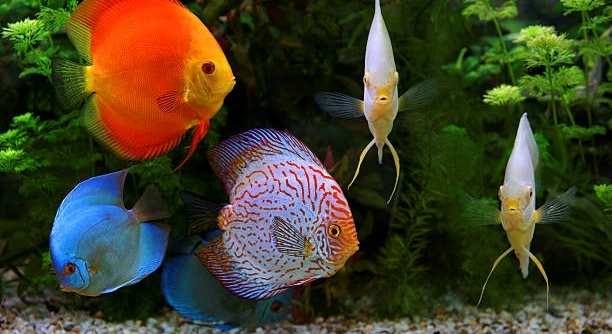
Do you ever find yourself wondering if your peaceful discus tank can safely include a small crew of snails to help with cleaning?
Discus can live safely with snail-cleaning crews, as long as the snails are peaceful, appropriately sized, and compatible with warm water. However, not all snail species are suitable, and some may pose risks to discus health.
Snails may offer useful cleaning support, but understanding their behavior, needs, and possible impacts on discus is important before introducing them into the tank.
Choosing the Right Snails for Your Discus Tank
Not all snails are a good fit for a discus tank. Discus need warm, soft, and clean water, so any snail added must be able to live in similar conditions. Mystery snails and nerite snails are often considered safer choices because they stay peaceful and don’t reproduce too quickly. Apple snails are large and can compete for food, while pest snails like bladder or pond snails multiply fast and may become overwhelming. Size matters too—snails that are too small might get eaten, and those that are too large can disturb discus. It’s also important to avoid snails that could carry parasites or bacteria. Quarantine new snails, even if they come from a clean source. Always research the specific needs of the snail species before adding them to your discus tank, and observe closely during the first few days after introduction.
Snails that do well in stable, warm conditions are usually safer choices for discus tanks.
Keeping snails with discus can also help reduce algae and leftover food. However, the tank must still be cleaned regularly, and water parameters should be tested often. Relying only on snails for maintenance won’t be enough to keep discus healthy long-term.
Possible Risks and What to Watch For
A few risks can arise if the setup isn’t right, especially in smaller or poorly filtered tanks.
Discus are sensitive fish and require very clean water. If snails die unnoticed or reproduce too quickly, the water can become polluted, stressing your discus. Overfeeding the tank can also lead to more waste, especially if snails are added without adjusting the feeding schedule. Some snails may carry diseases, which is why quarantine is always recommended. In rare cases, aggressive snails might irritate slow-moving discus, especially during rest. It’s also possible for snails to hide in filter systems or clog small spaces. A heavily planted tank can help reduce problems by giving everyone space and hiding spots. Snails that stay active but don’t disturb fish behavior are usually the best match. If the discus start acting differently—like hiding more, losing color, or refusing food—it’s worth checking if the snails might be part of the problem. Regular observation helps you stay ahead of any potential issues.
Maintaining Balance in a Shared Tank
When snails and discus share a tank, balance is key. Overcrowding, leftover food, and uneven water conditions can quickly cause problems. A stable routine with careful monitoring helps keep both species healthy and stress-free.
Start by keeping snail numbers low. Too many snails can make the tank messy and compete for space. Feed the discus lightly, and remove uneaten food after a few minutes to prevent buildup. Snails should support tank cleanliness, not replace routine care. Use a gravel vacuum regularly, even if the snails are active cleaners. Test water weekly for ammonia, nitrites, and nitrates. A reading above safe levels means something needs adjusting. Temperature should stay between 82–86°F, and the pH should remain slightly acidic. If snails begin to die, check parameters immediately. A dead snail can quickly cause a spike that harms discus. Keep an eye on behavior too—sluggish fish or hiding snails may signal a change.
Avoid adding too many species at once. Stick with one or two types of snails that are known to be discus-safe. Watch how they interact in the first weeks. If either the snails or discus seem stressed, it may be best to remove them. A calm tank is always better than a crowded one.
Cleaning Without Over-Reliance on Snails
Snails can help clean algae and small food scraps, but they should not be your only method for keeping the tank clean. Relying too much on snails may lead to uneven results, especially in tanks with heavy feeding.
Daily spot cleaning is helpful. Check for leftover food and waste after feeding time, and gently remove anything the snails missed. Keep the filter well-maintained and rinse it as recommended. Do not overfeed, as extra waste can quickly build up. Snails often eat biofilm and algae, but they won’t take care of cloudy water or deep debris. Weekly water changes remain essential, especially in discus tanks where water quality is everything. When snails are added to the mix, the bioload slightly increases, so it’s good to monitor nitrate levels. Clean the tank glass and check for algae growth on plants or decorations. A balanced tank is a shared effort, not a job left to snails alone.
Signs Things Aren’t Working
If your discus start hiding more, eating less, or showing duller colors, something in the tank may be off. Sudden changes in snail behavior, like staying still for long periods, can also be a sign that the water quality isn’t right.
Watch for fast snail reproduction or buildup of waste in corners. These may mean there’s too much food or not enough cleaning being done. A stable tank should look active, clean, and calm without any signs of stress or sickness in either species.
How to Introduce Snails Safely
Always quarantine new snails before placing them in your main tank. Keep them in a separate tank for at least two weeks. Watch for parasites, odd movement, or signs of illness. Once cleared, slowly acclimate them to the discus tank’s warm and soft water. Use a drip method or gradual floating technique to avoid shock. Place them gently on the tank floor or glass. Avoid dropping them in directly, as sudden changes can harm snails. Introduce only a few snails at a time, especially if it’s your first time mixing them with discus. Observe both the snails and discus closely for the first week.
When to Avoid Snail-Cleaning Crews
Skip snails if your tank is already overstocked or if you’re still learning how to manage discus water needs. It’s best to wait until the tank is stable.
FAQ
Can snails survive in the high temperatures required for discus?
Yes, but only certain snail species can handle the warmth discus need. Discus tanks usually range from 82°F to 86°F. Nerite snails and mystery snails are often the best choices, as they tolerate higher temperatures better than many others. Ramshorn snails can adapt, but their population can grow fast. Always double-check the ideal temperature range for any snail species before adding them to a discus setup. If a snail begins to stay inactive or dies shortly after introduction, it may not be suited for warmer water.
Do snails carry parasites that can harm discus?
Yes, they can. This is why quarantine is important. Wild-caught snails or those from unclean environments may carry parasites or bacteria harmful to fish. Even snails from stores can be risky if they came from shared tanks. A two-week quarantine in a separate, stable setup lets you monitor them for issues. Never add snails directly into your discus tank without this step. Avoid feeding them raw fish or meat during this time, as it can encourage unwanted bacteria growth. Clean any plants or decor that come with snails, too.
Can discus eat snails?
Discus may peck at smaller snails, especially baby snails or those with very soft shells. Adult snails like nerites or mystery snails are usually too big and sturdy to be eaten. However, if the discus are curious, they may try nudging or pecking out of interest. This behavior usually fades over time. If you’re worried, start with larger snails that are harder to swallow. Avoid tiny snail species or baby snails if you think your discus might go after them. Monitor their behavior in the first few days to be sure.
Will snails help reduce algae in a discus tank?
Snails can help control algae, but they won’t remove all of it. Nerite snails are especially good at cleaning glass and decor. Mystery snails also eat algae, but they produce more waste. Keep in mind that warm tanks with bright lights often grow algae quickly, and snails alone can’t manage that level of growth. Light control, water changes, and manual cleaning are still needed. Snails are better as support, not a full solution. They do best in tanks that are already well-maintained, not ones that rely on them to fix existing problems.
How many snails should I add to a discus tank?
Start small. For a 55-gallon tank, adding 2–3 snails is enough to see how they adapt. It’s always safer to begin with fewer and observe before increasing numbers. Snails reproduce based on food availability and space, so adding too many can quickly overwhelm the tank. This is especially true with ramshorn or bladder snails. If you’re keeping nerite or mystery snails, they won’t multiply as easily in freshwater, making them easier to manage. Watch the tank closely after adding them. If things remain stable after a few weeks, you can slowly add more.
Can snails clog filters or hide in equipment?
Yes, especially smaller snails or babies. They can find their way into filter intakes or small crevices in equipment. This can slow down flow or cause damage over time. Use a sponge pre-filter over the intake tube to keep snails out. Regularly check your filters for snail activity or shells. Large snails like mystery snails rarely cause issues, but they may rest near heaters or filter outlets. Always secure loose equipment, and avoid small openings where snails can slip through. A little prevention goes a long way in keeping things running smoothly.
Do snails need any special care in a discus tank?
Yes, they need calcium for shell health and stable water parameters to stay active. In soft, acidic water, snails may develop thin or pitted shells. You can help by offering calcium-rich foods like blanched spinach or cuttlebone. Make sure the water isn’t too acidic, or shells may erode. While discus prefer slightly acidic water, try to keep it balanced enough to avoid snail damage. Also, avoid medications or treatments with copper—many snail species are very sensitive to it and can die quickly if exposed. Always check ingredients before using treatments.
Are there any signs that snails aren’t doing well?
Yes. If snails stop moving for more than a day, float for long periods, or have cracked, white, or thinning shells, they may be struggling. Bad water quality, not enough calcium, or temperatures outside their range can cause this. Remove any dead snails quickly—they can foul the water fast. A healthy snail should move around slowly, explore surfaces, and respond to food. If multiple snails act off at once, check your water parameters immediately. Snails are often early indicators that something in the tank isn’t right.
Can snails and discus be housed long-term together?
Yes, as long as the tank remains balanced and clean. Discus are peaceful, and with the right conditions, they won’t bother snails. Choose species that are suited to the tank’s warmth and chemistry. Keep an eye on both for signs of stress or illness. With proper care, snails and discus can live together for years without issue. Avoid making changes too quickly, and don’t overcrowd the tank. When done right, snail-cleaning crews can be a helpful addition without disrupting your discus’ calm environment.
Final Thoughts
Keeping discus with snail-cleaning crews can work well when done carefully. The key is choosing the right types of snails that match the warm, soft water discus need. Not all snails can live in those conditions, so it’s important to do your research before adding them. Mystery snails and nerite snails are two of the safest options. They tend to stay calm, don’t breed quickly, and can help with light cleaning tasks like removing algae or picking up leftover food. Still, even helpful snails can create problems if added without planning. A stable tank, proper feeding, and regular cleaning routines remain essential. Snails can support your efforts, but they can’t replace them.
It’s also important to watch your discus and snails closely after they’re introduced to the same tank. Some discus may show curiosity at first but usually lose interest. If they start acting differently—such as hiding, changing color, or refusing food—it may be a sign of stress. Snails, too, have ways of showing when something is wrong. If they stop moving or float often, you’ll want to check the water conditions right away. Both species depend on clean, steady water, so keeping up with water tests and weekly maintenance is a must. A few simple steps like adding a sponge filter cover or feeding less can also make a big difference. The more balanced the tank, the fewer problems you’ll have.
Snail-cleaning crews should always be seen as a small part of your overall tank care. They are not a complete solution for keeping your discus tank clean. You’ll still need to do water changes, clean the substrate, and remove uneaten food. That said, snails can add variety and help with maintenance if chosen and cared for properly. It’s about creating a peaceful setup where everything works together. When the tank is well-managed, snails and discus can live side by side without stress. They may not interact much, but both can thrive in the same space with a little planning and care. In the end, it’s always better to take it slow, watch closely, and make thoughtful choices. That’s the best way to keep your discus healthy while enjoying the added benefit of having snails in your tank.

Hello,
If you enjoy the content that we create, please consider saying a "Thank You!" by leaving a tip.
Every little bit helps us continue crafting quality advice that supports the health, happiness, and well-being of pets around the world, for pets of all shapes, sizes, and species.
We really appreciate the kindness and support that you show us!