
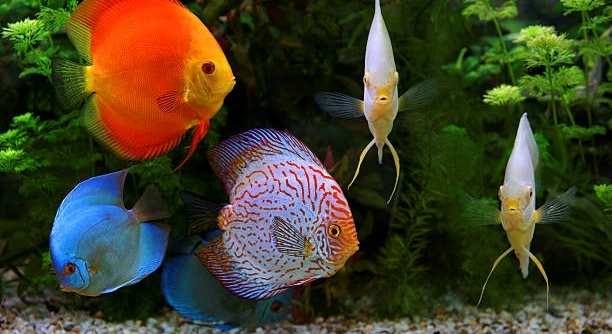
Discus fish are known for their vibrant colors and unique shape. They often hover near the water surface in aquariums and natural habitats. This behavior has sparked interest among many fish enthusiasts and biologists alike.
Discus fish hover near the water surface primarily to access higher oxygen levels and to regulate their body temperature. This positioning allows them to efficiently breathe and maintain optimal metabolic function in their environment.
Understanding this behavior can improve aquarium care and provide insight into the natural habits of discus fish in the wild. It highlights the importance of water quality and temperature for their well-being.
Reasons Discus Hover Near the Water Surface
Discus fish often stay near the water surface because the upper layers usually contain more oxygen. Water closer to the surface is in contact with the air, allowing oxygen to dissolve more easily. Since discus fish need good oxygen levels to stay healthy, they prefer to stay where oxygen is abundant. Another reason is temperature regulation. The water near the surface can be slightly warmer, which helps discus maintain their body temperature, especially in cooler environments. Additionally, the surface area offers more light, which affects their activity and feeding habits. In the wild, they may also hover near plants or sheltered areas close to the surface, which provide safety from predators. In aquariums, this behavior might be a sign that the water below is less comfortable, either due to lower oxygen or unsuitable temperature. Watching discus near the surface can provide clues about the tank’s conditions and the fish’s needs.
This behavior reflects their natural instincts and environmental requirements. Proper tank maintenance can reduce excessive surface hovering.
Observing discus fish near the surface can also indicate their stress levels. If they spend too much time at the top, it might mean the oxygen levels below are low or the water temperature is off. Adjusting aeration or temperature often helps improve their comfort. In some cases, poor water quality can cause them to stay near the surface more than usual. Regular water testing and changes are important. This behavior helps keep discus healthy and shows their natural adaptations to their habitat.
How to Improve Conditions for Discus Fish
To support discus fish, maintaining stable water temperature and oxygen levels is essential. Keep the water temperature between 82°F and 86°F, which matches their natural tropical environment. Use an aquarium heater to maintain warmth, and an air pump or filter to increase oxygen circulation. A well-aerated tank reduces the need for discus to stay near the surface. Regular water changes also improve water quality and reduce stress. Ensuring the tank has plants or hiding spots near the surface offers comfort. Avoid overcrowding the tank, as too many fish can lower oxygen availability. Monitoring these factors helps discus swim freely and reduces their surface-hanging behavior, making for a healthier and more natural environment.
Signs of Oxygen Deficiency in Discus Fish
Discus fish hovering at the surface more than usual often signal low oxygen levels. They may also gasp for air or show lethargy. These signs suggest the tank’s oxygen supply is insufficient and needs improvement.
Low oxygen levels in the aquarium can stress discus fish, affecting their health and behavior. Poor aeration, overcrowding, or insufficient water circulation often causes this issue. When oxygen is limited, discus fish may swim near the surface where oxygen is more available. Other symptoms include rapid gill movement and reduced appetite. Regular monitoring of oxygen levels and adding an air stone or filter with good circulation can prevent this problem. Avoid overcrowding by keeping the tank stocked according to its size, which helps maintain adequate oxygen for all fish.
Maintaining good water quality is also crucial. Waste buildup from uneaten food and fish excretion reduces oxygen and can harm discus fish. Cleaning the tank regularly and performing water changes helps keep oxygen levels stable and supports discus health over time.
Impact of Water Temperature on Discus Behavior
Water temperature greatly influences discus fish activity and comfort. Temperatures outside their preferred range cause stress and behavioral changes.
Discus fish thrive in warm water between 82°F and 86°F. If the temperature drops too low, they become sluggish and may stay near the surface to find warmer water. High temperatures can reduce oxygen levels, increasing the fish’s need to access more oxygen near the surface. Sudden temperature fluctuations are particularly stressful, so stability is key. Proper heaters and thermometers ensure consistent temperature, promoting healthy discus behavior and reducing surface hovering caused by discomfort or stress.
Feeding Habits Near the Surface
Discus fish often feed near the water surface where floating food is easier to reach. This natural behavior helps them get enough nutrition.
Surface feeding also allows discus to avoid competition with bottom dwellers. It keeps their feeding routine efficient and less stressful.
Light and Its Effect on Discus Positioning
Light influences discus fish behavior by affecting their activity levels. Bright light near the surface encourages more movement and feeding.
Too much light can cause stress, pushing discus to seek shaded areas. Proper lighting balance is important for their comfort and natural behavior.
Maintaining Proper Tank Environment
Consistent water quality, temperature, and oxygen levels are essential for discus comfort. Regular testing and maintenance prevent stress and surface hovering.
Good filtration and aeration keep the tank environment stable. This supports discus health and encourages natural swimming patterns away from the surface.
Importance of Regular Water Changes
Regular water changes remove waste and maintain water clarity. This practice helps keep oxygen levels high and reduces toxins harmful to discus fish.
Why do discus fish stay near the water surface so often?
Discus fish stay near the surface primarily to access higher oxygen levels. The water at the top is more oxygen-rich because it is in contact with air. When the oxygen deeper in the tank drops, discus will move up to breathe more easily. They also stay near the surface to regulate their body temperature, especially if the tank water is cooler at the bottom.
Can low oxygen levels harm discus fish?
Yes, low oxygen levels can stress discus fish and affect their health. Without enough oxygen, discus may become lethargic, lose appetite, or even suffer from respiratory problems. Keeping the tank well-aerated and avoiding overcrowding helps maintain adequate oxygen for all fish.
How can I increase oxygen levels in my aquarium?
You can increase oxygen by using air stones, filters with good water circulation, and regularly changing the water. Avoid overstocking your tank, as too many fish reduce oxygen availability. Adding live plants can also improve oxygen levels during the day.
Is water temperature important for discus behavior?
Absolutely. Discus prefer water between 82°F and 86°F. Temperatures outside this range can make them stressed. Cold water slows their metabolism, while warm water lowers oxygen levels. Keeping the temperature stable with a reliable heater supports their natural behavior and health.
Why do discus fish sometimes gasp at the surface?
Gasping at the surface usually indicates low oxygen or poor water quality. The fish try to get oxygen directly from the air-water interface. This behavior signals the need for better aeration or cleaning.
Can lighting affect where discus fish swim?
Yes, lighting plays a role. Bright light encourages discus to stay near the surface where they can be more active and feed easily. However, too much bright light can stress them, causing them to hide. A balanced light schedule with shaded areas helps keep discus comfortable.
Should I be concerned if discus fish hover near the surface all day?
If discus spend excessive time at the surface, it may mean something is wrong. Check oxygen levels, temperature, and water quality. Surface hovering all day often indicates discomfort or stress that should be addressed quickly.
Do discus fish feed near the surface naturally?
Yes, discus often feed near the surface, especially when offered floating foods. This feeding habit helps them avoid competition with bottom feeders and ensures they get enough nutrients.
How often should I change water to keep discus comfortable?
Regular water changes are essential. For discus, changing 25-50% of the water weekly helps maintain cleanliness, oxygen levels, and overall water quality. Clean water reduces stress and promotes healthy behavior.
Can poor water quality cause discus to stay near the surface?
Yes, poor water quality reduces oxygen and creates harmful toxins. Discus may stay near the surface to avoid uncomfortable or dangerous conditions below. Keeping the tank clean prevents this issue.
Are there any natural behaviors linked to discus hovering near the surface?
In the wild, discus often stay near shaded surface areas or plants for safety and feeding. This natural behavior carries over to aquariums, where they seek comfort and better oxygen availability.
What equipment is best to maintain ideal conditions for discus?
A reliable heater, an efficient filter, and an air pump are key. The heater keeps temperature stable, the filter maintains water quality, and the air pump boosts oxygen levels. Together, they create a healthy environment for discus fish.
Can overcrowding cause discus to stay at the surface?
Yes, overcrowding lowers oxygen and increases waste, stressing discus fish. Overcrowded tanks force discus to seek oxygen-rich surface water more often, which is a sign that the tank is overstocked.
How do I know if the water temperature is suitable for discus?
Use an aquarium thermometer to monitor the temperature daily. If it falls outside 82°F to 86°F, adjust your heater settings. Sudden changes should be avoided to prevent stress.
What are signs of stress related to poor tank conditions?
Signs include surface hovering, gasping, reduced appetite, clamped fins, and sluggishness. Stress can weaken discus immunity, making them prone to illness.
Is surface hovering always a bad sign?
Not always. Brief visits to the surface for feeding or breathing are normal. However, constant hovering often points to issues with oxygen, temperature, or water quality that need attention.
Discus fish are beautiful and unique creatures that often attract attention because of their behavior near the water surface. Understanding why they hover there is important for anyone who cares for them. This behavior is mostly linked to their need for higher oxygen levels and comfortable water temperatures. When the water conditions are not ideal, discus fish will naturally move closer to the surface where oxygen is more available and the temperature may feel better. This simple action is a sign of their instinct to survive and stay healthy in their environment. Recognizing this can help owners provide better care and improve the fish’s well-being.
Maintaining the right environment for discus fish is key to preventing excessive surface hovering. This means keeping the water temperature steady between 82°F and 86°F and ensuring good oxygen circulation with proper aeration and filtration. Clean water is also essential since poor water quality can reduce oxygen and cause discomfort. Regular water changes and monitoring tank conditions will keep the discus happy and active in all parts of the aquarium, not just near the surface. By paying attention to these details, owners can create a stable and comfortable habitat that encourages natural behavior and reduces signs of stress.
It is normal for discus fish to visit the surface from time to time, especially during feeding or when the water conditions are perfect. However, constant hovering near the top should not be ignored. It is a useful signal that something in the tank needs adjustment. Learning to observe and understand discus behavior helps create a healthier environment for the fish and allows owners to respond quickly to their needs. Overall, taking simple steps to maintain water quality, temperature, and oxygen levels will keep discus fish thriving and reduce the time they spend near the surface for survival reasons.

Hello,
If you enjoy the content that we create, please consider saying a "Thank You!" by leaving a tip.
Every little bit helps us continue crafting quality advice that supports the health, happiness, and well-being of pets around the world, for pets of all shapes, sizes, and species.
We really appreciate the kindness and support that you show us!