
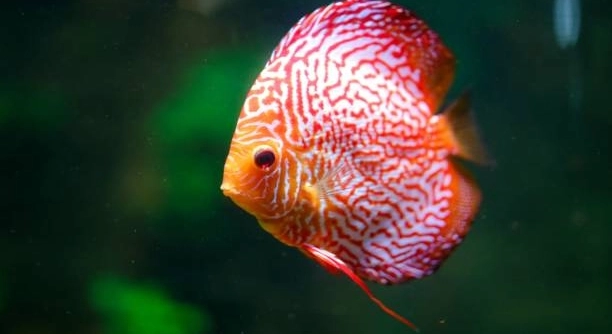
Discus fish are popular aquarium pets known for their bright colors and unique shapes. Caring for them well includes paying attention to their health, which can often be assessed by observing their waste. Understanding what discus poop looks like helps keep them healthy.
Healthy discus poop is usually brown, cylindrical, and firm, showing that their digestive system is functioning properly. Variations in color, texture, or frequency may indicate dietary issues or health problems that require attention.
Knowing how to identify normal and abnormal waste is important for maintaining your discus fish’s wellbeing and preventing potential health concerns.
What Healthy Discus Poop Looks Like
Healthy discus poop is usually brown or dark brown in color, firm, and shaped like small pellets or short cylinders. This indicates that the fish’s digestive system is working well and the diet is balanced. If the poop is consistent in color and texture, it generally means your discus is getting the nutrients it needs. Changes in poop appearance, such as loose stools or unusual colors, often signal a dietary imbalance or illness. Maintaining good water quality also helps keep digestion regular. Regular observation of your discus poop can be a simple way to monitor their health without invasive tests or treatments.
Paying attention to the color and firmness of discus poop helps detect health problems early. This allows you to address issues before they worsen.
Watching for signs of abnormal poop is important. It can save you from costly treatments and keep your discus thriving in your tank.
Causes of Abnormal Discus Poop
Abnormal poop can appear as white, stringy, green, or loose stools. These signs may point to infections, parasites, or poor diet. Stress from water quality or tank conditions can also affect digestion. Overfeeding or feeding the wrong foods sometimes causes digestive upset, resulting in unusual waste. Identifying the cause quickly helps prevent more serious health problems. Ensuring a balanced diet with quality food and maintaining clean water conditions supports healthy digestion and reduces the chance of abnormal poop. Sometimes, adding supplements or adjusting feeding routines is necessary to restore proper digestion. When abnormalities persist, consulting a vet or aquatic specialist is advised. Understanding the causes of abnormal poop helps keep discus fish healthy and happy.
Signs of Digestive Issues in Discus
Discus fish with digestive problems often show changes in their poop. Loose, stringy, or white feces usually signal trouble. These signs should never be ignored because they often indicate internal infections or parasites.
Digestive issues can stem from several factors, including poor water quality, an unbalanced diet, or stress. If you notice abnormal poop consistently, it may be time to adjust your feeding routine or check your tank conditions. Sometimes, switching to a higher-quality food or adding fiber-rich options can help regulate digestion. Stress from overcrowding or sudden changes in water parameters also disrupts the digestive system, leading to irregular waste. Careful observation and timely action prevent minor problems from becoming serious health risks.
Persistent digestive problems can weaken discus fish over time. It’s important to monitor other symptoms like loss of appetite or lethargy. Early detection and treatment ensure your discus recovers quickly and stays healthy.
Maintaining Good Digestive Health in Your Discus
Maintaining proper water quality is key to good digestive health. Regular water changes and monitoring parameters keep your fish comfortable and reduce disease risks.
A balanced diet tailored to discus needs is essential. Provide varied, high-quality foods such as pellets, flakes, and frozen items like bloodworms or brine shrimp. Feeding smaller amounts more frequently helps digestion. Avoid overfeeding, as leftover food causes water pollution and digestive upset. Including vegetable matter occasionally can aid digestion and improve overall health. Supplementing vitamins or probiotics may also benefit fish prone to digestive issues. Regular tank maintenance combined with good nutrition creates a healthy environment where discus thrive without digestive disturbances.
Common Poop Colors and What They Mean
Brown or dark brown poop is normal and healthy for discus fish. It shows proper digestion and a balanced diet.
White or stringy poop often indicates parasites or bacterial infections. Immediate action may be needed to avoid worsening health.
When to Consult a Veterinarian
If your discus shows persistent abnormal poop despite diet and water adjustments, consulting a vet is necessary. Professional diagnosis helps treat underlying issues effectively. Early intervention improves recovery chances and prevents long-term damage.
Tips for Observing Discus Poop
Observe poop daily after feeding to spot changes early. Use a clear-bottomed tank or net to get a good look without disturbing the fish.
The Role of Tank Cleanliness
Keeping the tank clean reduces harmful bacteria that affect digestion. Regular substrate vacuuming and filter maintenance support a healthy environment.
FAQ
What should healthy discus poop look like?
Healthy discus poop is usually brown or dark brown, firm, and shaped like small pellets or short cylinders. This means your fish is digesting food properly and has a balanced diet. Regular poop with consistent texture and color is a good sign of digestive health.
Why is my discus poop white or stringy?
White or stringy poop often signals internal parasites or bacterial infections. This type of waste shows the fish’s digestive system is irritated or damaged. It’s important to act quickly by improving water quality, adjusting diet, and possibly using medication to treat infections.
Can diet affect discus poop appearance?
Yes, diet has a big impact on poop color and texture. Feeding too much protein or unsuitable foods can cause loose or abnormal poop. Adding vegetable matter or fiber helps digestion and produces firmer, healthier waste. Balanced nutrition keeps your discus’s digestive system stable.
How often should I check discus poop?
Daily observation after feeding is best. This helps spot changes early before problems grow. Keep an eye on consistency, color, and frequency. Sudden changes often mean stress, diet issues, or illness, so regular checks are a simple way to monitor health.
What role does water quality play in discus digestion?
Poor water quality stresses discus and disrupts digestion. Dirty or toxic water can cause infections or weaken the immune system. Regular water changes, proper filtration, and testing keep water clean and safe, which supports healthy digestion and normal poop.
When should I see a vet for discus poop issues?
If abnormal poop lasts more than a few days despite diet and water improvements, seek veterinary advice. Persistent problems may need medication or special care. Early diagnosis prevents serious illness and helps your discus recover faster.
Can stress affect discus poop?
Stress from overcrowding, sudden changes in tank conditions, or aggressive tank mates can upset digestion. Stressed discus often produce abnormal poop or stop eating. Reducing stress through stable water parameters and appropriate tank mates promotes better digestive health.
Is it normal for discus poop to change color sometimes?
Small variations can be normal after diet changes or different foods. However, sudden or drastic color changes like white, green, or red poop usually indicate health problems or infections that need attention.
How can I improve my discus’s digestive health?
Feed high-quality, varied foods in small amounts several times a day. Include frozen or live foods and some plant-based options. Keep water clean with regular maintenance. Avoid overfeeding and monitor poop regularly to catch issues early.
What does green poop in discus mean?
Green poop often suggests excess algae or plant matter in the diet or an imbalance in gut bacteria. It might also indicate bacterial infection or parasites. Improving diet and water conditions helps correct this, but if it persists, veterinary care may be needed.
Can discus poop help diagnose illness?
Yes, poop is one of the first signs of digestive or systemic illness. Changes in texture, color, or frequency often signal infections, parasites, or stress. Observing poop helps catch problems before symptoms like lethargy or appetite loss appear.
What are common treatments for abnormal discus poop?
Treatment depends on the cause. Parasite infections may need anti-parasitic medication, while bacterial issues require antibiotics. Improving water quality and diet is always part of treatment. Sometimes probiotics or vitamin supplements support recovery.
Is it harmful if discus poop sinks or floats?
Usually, discus poop sinks because it’s dense. Floating poop can indicate digestive issues or gas buildup, which may signal infection or poor diet. Consistently floating poop should be monitored and addressed if other symptoms appear.
How long does it take for discus poop to return to normal after illness?
Recovery time varies but typically takes several days to weeks with proper care. Maintaining clean water, proper diet, and following treatment plans speeds up healing and helps normalize poop appearance.
Can different discus varieties have different poop?
Generally, all discus have similar poop characteristics. Differences mostly depend on diet, health, and environment rather than variety. Focus on consistent poop quality rather than small differences between strains.
What if I don’t see any poop from my discus?
No poop for a day or two can happen, especially if the fish hasn’t eaten well. However, prolonged absence may indicate constipation, illness, or stress. If this occurs, check diet, water conditions, and observe for other signs of health problems.
How does temperature affect discus digestion?
Discus are tropical fish, and their metabolism depends on water temperature. Too cold or too hot water slows digestion or causes stress, leading to abnormal poop. Keeping stable temperatures around 82-86°F supports good digestive health.
Can fasting help with digestive problems?
Short fasting (1-2 days) can help clear the digestive system if poop is abnormal. It allows the gut to rest and recover. After fasting, offer small, high-quality meals and monitor poop to ensure normal digestion returns.
Are probiotics useful for discus digestion?
Probiotics can improve gut flora and digestion in discus. They help balance bacteria, reduce infections, and improve nutrient absorption. Adding probiotics through food or supplements may support fish with digestive issues or after illness.
What are the most common causes of discus poop problems?
The most frequent causes include poor diet, overfeeding, infections, parasites, stress, and bad water quality. Addressing these factors quickly helps prevent long-term digestive health issues in discus fish.
Understanding what discus poop should look like is an important part of caring for these beautiful fish. Healthy poop is usually brown and firm, showing that your discus is digesting food well. Paying attention to poop color, texture, and frequency can help you spot health problems early. When poop looks unusual, it often means something is off with diet, water quality, or the fish’s health. Being observant and taking quick action can prevent small issues from turning into serious ones.
Maintaining good water quality and feeding a balanced diet are the best ways to support your discus’s digestive health. Regular water changes and proper filtration keep the tank environment clean and safe. Feeding a variety of quality foods in the right amounts helps avoid digestive upset and keeps waste normal. Stress can also affect digestion, so stable tank conditions and peaceful tank mates are important. If abnormal poop persists despite these efforts, consulting a vet or aquatic specialist is recommended. Early intervention helps protect your discus and improves its chances of a full recovery.
In general, observing discus poop is a simple but effective way to monitor your fish’s health. It doesn’t require special equipment or tests, just attention and care. Taking the time to learn what healthy poop looks like and how to respond to changes can make a big difference. Keeping your discus healthy means a happier tank and a longer, better life for your fish. Being proactive about poop health is one of the easiest steps you can take to ensure your discus thrives.

Hello,
If you enjoy the content that we create, please consider saying a "Thank You!" by leaving a tip.
Every little bit helps us continue crafting quality advice that supports the health, happiness, and well-being of pets around the world, for pets of all shapes, sizes, and species.
We really appreciate the kindness and support that you show us!