
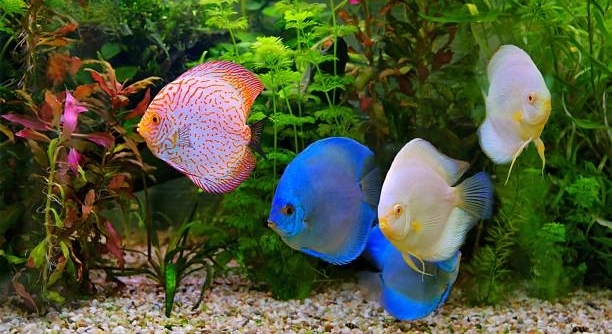
Keeping a discus tank clean is important for maintaining a healthy environment. However, overcleaning can cause unintended problems for your fish and their habitat. Knowing the right balance is key to successful discus care.
Overcleaning a discus tank disrupts the natural balance of beneficial bacteria, stresses fish by altering water chemistry, and can lead to weakened immune systems. Excessive cleaning removes helpful microorganisms necessary for a stable aquatic environment.
Understanding these effects helps prevent harm to your discus and keeps their tank thriving. The following points explain what happens when cleaning goes too far.
Loss of Beneficial Bacteria
Beneficial bacteria in a discus tank play a vital role in breaking down waste products and maintaining water quality. When you clean the tank too often or scrub surfaces too harshly, these helpful bacteria get removed along with the debris. This reduces the biological filtration that keeps ammonia and nitrite levels low, which are toxic to discus fish. Without enough bacteria, harmful substances can build up quickly, causing stress or illness in your fish. It takes time for the bacterial colonies to reestablish, and frequent cleaning slows this recovery. Overcleaning also affects the tank’s natural ecosystem balance, making it unstable. Maintaining a gentle cleaning routine allows beneficial bacteria to thrive while keeping the tank clean enough to prevent disease.
Loss of beneficial bacteria can result in unstable water conditions, which negatively impacts discus health and increases maintenance challenges.
To keep beneficial bacteria intact, avoid removing all filter media during cleaning and clean only necessary areas. Use water from the tank for rinsing equipment to preserve bacteria. Monitoring water parameters regularly helps catch any imbalance early before it harms the fish. A well-balanced tank reduces the risk of sudden spikes in harmful chemicals. Letting bacteria establish naturally supports the discus fish’s immune system and overall tank stability.
Fish Stress and Behavior Changes
Frequent cleaning disturbs discus fish by constantly changing their environment. The removal of surfaces and decorations they use for hiding makes them feel exposed and insecure. This can lead to hiding more often or becoming less active, which are signs of stress. Stress weakens their immune system, making them more vulnerable to disease and infections. Even minor fluctuations in water chemistry caused by overcleaning can upset the fish, as discus are sensitive to changes. Reducing cleaning frequency and avoiding sudden large water changes helps maintain a stable and calm environment. Observing your fish for changes in behavior is important to adjust care accordingly and keep them healthy.
Fluctuating Water Chemistry
Overcleaning causes rapid changes in water parameters, such as pH, ammonia, and nitrate levels. These sudden shifts are harmful to discus fish, who thrive in stable conditions.
When you clean too often or change too much water at once, it disturbs the chemical balance. Beneficial bacteria that break down toxins may be reduced, allowing ammonia and nitrites to rise. This can stress the fish and cause health issues like fin rot or lethargy. Even small fluctuations in pH can disrupt discus metabolism. Maintaining consistent water parameters through moderate cleaning supports a healthy environment and reduces risks.
Regular testing helps detect any harmful changes early. Water changes should be gradual and cleaning balanced to avoid destabilizing the tank chemistry. This promotes long-term discus health and vitality.
Increased Risk of Disease
Excessive cleaning can weaken discus fish by causing stress and removing protective biofilms. This leaves them more susceptible to infections and parasites. The natural microbial layer on tank surfaces helps prevent harmful bacteria growth. When overcleaned, this layer is stripped away, allowing disease-causing organisms to multiply. Stress from frequent disturbances lowers fish immune responses, making it easier for illnesses to take hold.
Avoiding harsh scrubbing and limiting cleaning frequency reduces these risks. Keeping the tank environment stable helps discus maintain their natural defenses. Proper nutrition and water quality further support their ability to resist disease. Monitoring fish closely for signs of illness allows early treatment and prevents outbreaks.
Disruption of Natural Tank Balance
Overcleaning removes essential microorganisms that maintain the tank’s ecological balance. This disruption can lead to unstable water conditions.
Without these microbes, waste accumulates faster, increasing toxins and stressing the discus. The natural cycle that supports healthy water is interrupted.
Damage to Tank Decorations and Plants
Frequent scrubbing and cleaning can harm delicate plants and decorations. This damages their natural surfaces where beneficial bacteria live. Plants may also become stressed or die, reducing oxygen levels and affecting water quality.
Increased Maintenance Time
Overcleaning requires more frequent water changes and monitoring, increasing overall tank maintenance efforts. The tank becomes harder to stabilize, demanding extra attention and time to keep discus healthy.
Loss of Natural Aesthetics
Constant cleaning can strip away the natural look of the tank, making it appear overly sterile and less inviting for fish.
How often should I clean my discus tank?
Cleaning frequency depends on tank size, stocking levels, and filtration. Generally, a partial water change of 20–30% weekly or biweekly is sufficient. Avoid deep cleaning too often to protect beneficial bacteria. Spot cleaning and removing debris daily helps keep the tank balanced without stressing the fish.
What is overcleaning in a discus tank?
Overcleaning means cleaning more than necessary or scrubbing every surface too frequently. This removes helpful bacteria and disrupts the tank’s natural ecosystem. It often involves excessive water changes or cleaning the filter media too thoroughly, causing unstable water parameters and stressing the fish.
Can overcleaning kill beneficial bacteria?
Yes, excessive cleaning can kill beneficial bacteria essential for breaking down waste. These bacteria colonize surfaces and filter media, so scrubbing or rinsing these parts with tap water removes or kills them. This leads to higher ammonia and nitrite levels, which are harmful to discus.
How can I clean my discus tank without harming bacteria?
Rinse filter media gently in tank water during water changes rather than tap water. Avoid scrubbing surfaces too harshly. Clean only visible debris and uneaten food regularly. Use a gravel vacuum to remove waste from substrate carefully. This preserves bacterial colonies while maintaining cleanliness.
What signs show my discus fish are stressed from cleaning?
Stress signs include hiding more than usual, reduced activity, loss of appetite, faded colors, and rapid breathing. Sudden changes in behavior often follow large water changes or overcleaning events. If these signs appear, reduce cleaning frequency and monitor water quality.
Does overcleaning cause disease in discus fish?
Indirectly, yes. Overcleaning strips protective biofilms and weakens the immune system through stress. This makes fish vulnerable to infections like fin rot or parasites. A stable environment with moderate cleaning helps discus resist illness.
Can I use chemicals to clean my tank without harming fish?
Avoid harsh chemicals in a discus tank. Use only aquarium-safe products when necessary and rinse thoroughly. Most cleaning can be done with warm water and gentle tools. Chemicals can harm beneficial bacteria and fish health if not used carefully.
What is the best way to maintain water quality without overcleaning?
Regular partial water changes with stable parameters are key. Remove uneaten food and waste daily. Use proper filtration and avoid overcrowding. Test water weekly to track ammonia, nitrite, nitrate, and pH levels. Adjust cleaning based on test results rather than on a fixed schedule.
How do I recover beneficial bacteria after overcleaning?
Allow the tank to stabilize by reducing cleaning frequency and avoiding large water changes. Use bacterial supplements if needed to help recolonize. Maintain proper temperature and aeration. Test water parameters often to catch spikes early and keep fish safe.
Is it normal for discus tanks to look slightly dirty?
Yes, a discus tank with some algae or surface biofilm is normal and even beneficial. These natural growths provide habitats for bacteria and contribute to a balanced ecosystem. Excessive cleaning that removes all signs of life can harm the tank’s stability.
How can I keep my discus healthy with minimal cleaning?
Feed high-quality food in appropriate amounts to avoid excess waste. Use efficient filtration and perform regular, moderate water changes. Keep tank temperature and pH stable. Observe fish behavior to catch problems early and adjust care accordingly.
What tools help clean a discus tank properly?
A gravel vacuum helps remove debris without disturbing beneficial bacteria too much. Soft sponges or brushes for gentle cleaning of decorations are best. Avoid metal or harsh scrubbers. Using a water testing kit regularly supports informed cleaning decisions.
Should I clean the filter media during every water change?
No, only rinse filter media lightly in tank water when it appears clogged or dirty. Avoid thorough cleaning during every water change to preserve bacteria. Stagger filter maintenance and partial water changes for best results.
How do water changes affect discus fish?
Water changes dilute waste and replenish oxygen but can cause stress if done too frequently or in large amounts. Changing 20–30% at a time helps maintain stable water conditions. Sudden large changes can shock discus and should be avoided.
Can tank decorations impact discus health if overcleaned?
Yes, decorations hold beneficial bacteria and provide shelter for discus. Overcleaning or removing them often disturbs fish and removes bacterial colonies, leading to stress and poorer water quality.
This FAQ addresses common concerns about overcleaning a discus tank to help maintain a healthy, balanced environment for your fish.
Maintaining a discus tank requires careful balance, especially when it comes to cleaning. Overcleaning, though often done with good intentions, can cause more harm than good. It disrupts the natural ecosystem inside the tank by removing beneficial bacteria and altering water chemistry. These changes create stress for the fish and increase the chances of illness. Understanding how to clean the tank properly without overdoing it is important for keeping discus healthy and thriving.
A clean tank does not mean a spotless tank. Some natural buildup of bacteria and biofilms is necessary for a stable environment. These microorganisms break down harmful waste and help maintain water quality. When you scrub surfaces too often or change too much water, these helpful colonies are lost. It can take a long time for them to grow back, leaving your discus vulnerable in the meantime. A gentle, balanced cleaning routine supports the tank’s ecosystem and avoids unnecessary stress for the fish.
In the end, the best approach is to clean regularly but moderately. Focus on removing visible debris and changing small portions of water consistently. Avoid harsh scrubbing or washing filter media in tap water. Monitor water parameters to keep conditions stable. Taking these steps protects the natural balance inside the tank and promotes the health of your discus. With patience and proper care, you can create a thriving home for your fish that requires less intense cleaning and less risk of problems.

Hello,
If you enjoy the content that we create, please consider saying a "Thank You!" by leaving a tip.
Every little bit helps us continue crafting quality advice that supports the health, happiness, and well-being of pets around the world, for pets of all shapes, sizes, and species.
We really appreciate the kindness and support that you show us!