
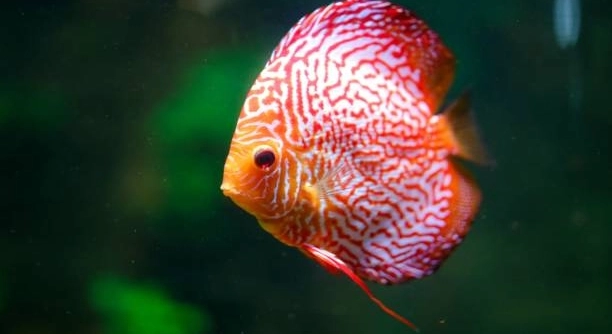
Young discus fish need proper care to grow strong and healthy. Many hobbyists find it challenging to encourage good growth in young discus. This article shares practical ways to support their development in a simple, friendly way.
Encouraging growth in young discus involves maintaining stable water conditions, providing high-quality nutrition, and minimizing stress. Regular monitoring and appropriate tank setup are essential to create an environment that promotes healthy growth and development.
These tips will help you create the best environment for your young discus to thrive and grow steadily over time.
Maintain Stable Water Conditions
Keeping the water clean and stable is one of the most important things for young discus. These fish are very sensitive to changes in their environment. Sudden shifts in temperature, pH, or ammonia levels can stress them and slow growth. A good filter and regular water changes help keep the water safe. Aim for a temperature around 82-86°F and a pH near 6.5. Testing the water regularly makes it easier to catch problems early. Avoid overcrowding the tank because too many fish can pollute the water quickly. Stable conditions reduce stress, which helps the discus focus energy on growing. When water quality is high, young discus are less likely to get sick and more likely to develop strong bodies and bright colors. A steady, calm environment sets a solid foundation for healthy growth.
Clean water with stable temperature and pH keeps young discus healthy and supports steady growth.
Consistent water care protects discus from illness and stress. Young discus in well-maintained tanks grow faster and develop better. Proper water conditions prevent diseases that can stunt growth or cause death. Good filtration, weekly partial water changes, and avoiding sudden changes create a stable environment. Also, make sure to cycle the tank fully before adding young fish. This helps beneficial bacteria break down waste and maintain water quality. Keeping these conditions steady reduces stress on young discus, allowing them to put energy into growing strong and healthy rather than fighting off illness or adjusting to harsh changes. It’s a small effort that pays off in the long term.
Provide High-Quality Nutrition
Young discus need nutritious food to support their rapid growth. Feeding a balanced diet rich in protein helps build strong muscles and vibrant colors. Many discus owners use a mix of high-quality flakes, pellets, frozen bloodworms, and brine shrimp. Fresh food should be soft and easy to digest since young discus have delicate mouths. Feeding small amounts multiple times a day is better than one large feeding. This prevents leftover food from fouling the water. Avoid overfeeding, which can cause health issues and water problems. A varied diet ensures young discus get all the nutrients they need for steady development and good immune health.
Proper nutrition is essential for strong growth and good health in young discus.
Choosing the right food and feeding schedule is key. High-protein diets support muscle growth, while variety ensures balanced nutrition. Frozen or live foods can provide extra vitamins and minerals. Some owners prepare homemade mixes to control ingredients. Watch your discus closely to see which foods they prefer and digest well. Over time, adjust feeding amounts based on growth and activity. A well-fed discus will show steady weight gain and brighter colors. Feeding good quality food and keeping it fresh helps maintain water quality. Combining stable water conditions with proper nutrition creates an ideal environment for young discus to grow fast and stay healthy.
Minimize Stress and Disturbances
Young discus grow best in a calm environment. Stress slows their growth and can lead to illness. Avoid sudden loud noises or rapid movements near the tank. Limit tank maintenance to necessary tasks only, and try not to disturb the fish too often. Keeping the tank in a quiet, low-traffic area helps maintain peace.
Stress affects discus by raising their metabolism and weakening their immune system. Frequent disturbances make them anxious, which reduces appetite and growth. Keep lights on a consistent schedule to avoid startling them. Adding plenty of plants and hiding spots helps discus feel secure and less exposed. This sense of safety encourages normal behavior and steady growth.
Handling young discus too much can cause stress. When necessary, move them gently and quickly back to the tank. Avoid overcrowding with aggressive or overly active fish. Providing a stable social environment without competition or bullying reduces stress and supports healthy development.
Maintain Proper Tank Size and Setup
A spacious tank allows young discus to swim freely and grow properly. Crowded conditions cause stress and stunt growth. Aim for at least 20 gallons for a small group of young discus. Larger tanks improve water quality and reduce aggression.
Setting up the tank with soft substrate, plenty of plants, and gentle filtration mimics their natural habitat. Discus prefer calm water flow and dim lighting. Avoid sharp decorations that might harm delicate fins. Regular cleaning keeps the environment healthy without disturbing the fish. Proper tank size and setup are critical to reducing stress and promoting growth in young discus.
Regular Monitoring and Health Checks
Watching your discus daily helps catch health issues early. Look for changes in behavior, appetite, or appearance. Early detection makes treatment easier and prevents growth setbacks.
Keeping a simple log of water tests and observations helps track progress and spot problems before they become serious.
Avoid Overcrowding
Too many fish in one tank increases waste and competition for food. Overcrowding leads to poor water quality and stress, both of which stunt growth. Keeping fewer discus ensures a healthier, more comfortable environment.
Use Proper Filtration
A good filter removes waste and toxins efficiently without creating strong currents. Gentle filtration maintains clean water while preserving the calm conditions discus prefer. This balance supports healthy growth and reduces stress.
Maintain Stable Temperature
Consistent temperature between 82°F and 86°F supports metabolism and immune function in young discus. Sudden temperature swings can shock the fish, causing stress and slower growth. Use a reliable heater and thermometer to keep conditions steady.
FAQ
How often should I change the water for young discus?
Water changes are crucial for keeping the tank clean and healthy. For young discus, a 25-30% water change every week is a good rule of thumb. In some cases, especially with higher stocking levels or smaller tanks, you might need to do water changes twice a week. Regular water changes help remove waste and toxins, which can build up quickly and harm young fish. Always use water that matches the tank temperature and pH to avoid shocking the discus.
What is the best diet for young discus?
Young discus need a high-protein diet to support their rapid growth. Feeding a mix of quality flakes or pellets designed for discus, combined with frozen or live foods like bloodworms and brine shrimp, is ideal. Small, frequent feedings work best because young discus have smaller stomachs. Avoid overfeeding to keep the water clean and prevent health problems. Variety in food helps ensure they get all the nutrients needed for healthy development.
How can I tell if my discus is stressed?
Signs of stress in discus include clamped fins, hiding more than usual, reduced appetite, and unusual swimming patterns like darting or lethargy. Stress can weaken their immune system, making them more prone to disease. Keeping water conditions stable, avoiding sudden changes, and providing plenty of hiding spots help reduce stress. Observing your discus regularly lets you catch stress signs early and adjust care accordingly.
Is it necessary to use a heater in the discus tank?
Yes, a heater is important because discus thrive in warm water, ideally between 82°F and 86°F. Maintaining a stable temperature helps their metabolism and immune system work properly. Sudden drops in temperature can cause stress or illness. Using a reliable heater and thermometer ensures the water stays within this range, supporting healthy growth.
Can I keep other fish with young discus?
It is possible but should be done carefully. Choose peaceful tank mates that prefer similar water conditions and won’t outcompete the discus for food. Avoid aggressive or fast-moving fish that may stress young discus. Keeping the tank uncrowded and well-planted helps all fish feel secure. Monitoring behavior closely is important to prevent bullying or stress.
How important is lighting for discus growth?
Lighting should be moderate and consistent. Too bright lighting can stress discus, while too dim can affect their natural behavior. A regular day-night cycle of about 10-12 hours of light helps maintain their natural rhythms. Plants can soften the light and provide shelter, which discus appreciate. Stable lighting conditions contribute to a calm environment, promoting healthy growth.
What should I do if my young discus shows signs of illness?
If you notice symptoms like white spots, redness, or unusual behavior, act quickly. Isolate the sick fish if possible to prevent spreading disease. Test water quality immediately and correct any issues. Many common illnesses respond well to specific treatments available at pet stores, but correct diagnosis is key. Keeping the tank clean and stress low helps prevent illness from occurring.
How long does it take for young discus to grow fully?
Young discus typically grow rapidly in the first six months, reaching about 3-4 inches. Full size usually takes around 12 to 18 months, depending on care and environment. Providing stable water conditions, proper nutrition, and low stress speeds growth. Growth may slow if conditions aren’t ideal, so patience and consistent care are important.
Taking care of young discus fish requires patience and attention to detail. These fish are sensitive and need a stable environment to grow well. Maintaining clean water, feeding a proper diet, and reducing stress are key parts of their care. When you focus on these basic needs, your discus will have the best chance to develop into strong, healthy adults. Consistency is very important, so try to keep conditions as steady as possible and avoid sudden changes.
It is normal for new discus owners to face challenges at first. Young discus can be delicate, but with regular monitoring and adjustments, many problems can be avoided or fixed early. Watching for signs of stress or illness and acting quickly helps keep the fish healthy. Proper tank size, gentle filtration, and a calm environment also make a big difference in their growth. Over time, you will learn the small details that help your discus thrive, and the effort you put in will be rewarding.
Remember that each discus is unique and may grow at a slightly different pace. Some may take longer to reach full size, while others grow quickly. Patience and steady care go a long way. By keeping the water clean, feeding good food, and creating a peaceful tank setup, you provide the foundation for their success. In the end, caring for young discus can be a satisfying experience that brings both challenge and joy.

Hello,
If you enjoy the content that we create, please consider saying a "Thank You!" by leaving a tip.
Every little bit helps us continue crafting quality advice that supports the health, happiness, and well-being of pets around the world, for pets of all shapes, sizes, and species.
We really appreciate the kindness and support that you show us!