
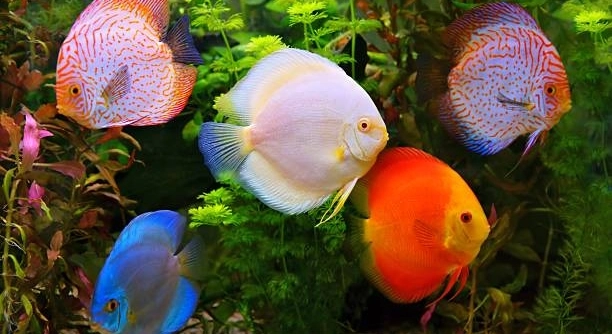
Many discus fish keepers pay close attention to water quality to keep their fish healthy. Water type can affect fish behavior, color, and overall well-being. Understanding what kind of water to use is important for maintaining a thriving aquarium.
Using reverse osmosis (RO) water for discus fish is often recommended because it provides very pure water, free from impurities and harmful chemicals. This allows hobbyists to control water hardness and pH precisely, creating ideal conditions for discus health and growth.
Choosing the right water can make a big difference in your discus fish’s life and help prevent common health problems.
Why Water Quality Matters for Discus Fish
Discus fish are sensitive to water conditions. They thrive best in clean, soft, and slightly acidic water. Tap water often contains chlorine, chloramine, and other chemicals that can harm discus fish. Hard water with high mineral content can stress them, affecting their immune system and color. Using water that matches their natural environment helps keep them calm and healthy. Many hobbyists test their water regularly to monitor pH, hardness, and ammonia levels. Proper filtration and regular water changes are also essential to maintain stable conditions. Clean water reduces the risk of diseases and promotes better growth and breeding success. If water quality is poor, discus fish may become lethargic or develop fin rot and other health issues. Choosing the right water type and maintaining it well can improve the overall health and lifespan of your discus fish.
Keeping consistent water parameters is key to preventing sudden stress or illness in discus fish.
Taking the time to understand water quality and its impact on your discus helps create a stable environment where they can thrive over the long term.
Benefits of Using RO Water for Discus Fish
RO water provides a clean slate by removing most impurities, including chlorine, heavy metals, and excess minerals. This allows you to start with very pure water and adjust parameters like pH and hardness to suit discus fish perfectly. Many discus keepers prefer RO water because it offers control and consistency. You can mix RO water with tap water or add minerals to reach the ideal softness and acidity for discus. This reduces the risk of harmful substances building up in the tank. Using RO water also helps prevent algae growth and reduces the need for chemical treatments. However, RO systems require maintenance and an initial investment, but many find it worthwhile for better fish health. Overall, RO water can simplify water management and provide a stable, safe environment for discus fish to thrive and display vibrant colors.
How to Prepare RO Water for Discus Fish
RO water is very pure but lacks essential minerals discus need to stay healthy. It’s important to remineralize it before adding it to the tank. Without minerals, fish can suffer from osmotic stress and weakened immune systems.
To prepare RO water, add a commercial remineralizing product designed for aquarium use. These products restore calcium, magnesium, and other vital minerals to create balanced water conditions. Test the water’s hardness and pH after adding minerals to ensure it matches discus needs. This step is crucial because too soft or too hard water can harm your fish. Regularly testing and adjusting helps maintain stability.
Some hobbyists mix RO water with tap water to balance minerals naturally. This method requires knowing your tap water’s quality well. Always monitor water parameters closely to avoid sudden changes that can stress discus fish.
Common Mistakes When Using RO Water
Overlooking remineralization can cause health problems for discus fish. Using pure RO water without minerals weakens their natural defenses. Also, changing water parameters too quickly can shock fish.
Another mistake is not maintaining the RO system. Filters need regular cleaning and replacement to keep water pure. Neglecting this can lead to contamination and lower water quality. Some people forget to test water after mixing RO with other water, which can cause unexpected changes in pH or hardness. Finally, relying solely on RO water without proper tank maintenance and water changes can still result in poor water conditions. Regular monitoring and care are necessary alongside using RO water for the best results.
When to Use RO Water for Discus Fish
RO water is best for tanks with very hard or poor-quality tap water. It helps avoid harmful chemicals and minerals that can stress discus.
If your tap water is already soft and clean, using RO water may not be necessary but can still offer more control over water parameters.
How to Test RO Water Quality
Testing RO water involves checking pH, general hardness (GH), and carbonate hardness (KH). Use reliable aquarium test kits for accurate results. Regular testing ensures water stays within safe levels for discus fish, helping maintain stable tank conditions and preventing health issues related to poor water quality.
Equipment Needed for RO Water Setup
An RO filtration system includes a membrane filter, pre-filters, and a storage tank. It requires occasional maintenance like changing filters to ensure proper water purification and consistent output quality.
Tips for Maintaining RO Systems
Keep filters clean and replace membranes as recommended. Regular maintenance helps keep water pure and safe for your discus fish, preventing buildup of impurities.
What is RO water, and why is it used for discus fish?
RO water is water that has been purified using reverse osmosis, a process that removes impurities, chemicals, and minerals. It is used for discus fish because it allows you to start with very clean water and then adjust the mineral content and pH to create ideal conditions for the fish. Discus are sensitive to water quality, so using RO water helps avoid harmful substances often found in tap water.
Can I use RO water without adding minerals?
Using RO water without adding minerals is not recommended. Pure RO water lacks essential minerals like calcium and magnesium that discus need for healthy bodily functions. Without these minerals, fish can experience stress and health problems. Always add a remineralizing product or mix RO water with treated tap water to maintain proper mineral levels.
How often should I change RO water in my discus tank?
Water changes depend on tank size, stocking density, and filtration, but generally, 20-30% weekly water changes are ideal. Regular changes keep water parameters stable and remove waste. When using RO water, always prepare it with minerals before adding it to the tank to keep discus healthy.
Is it expensive to use RO water for discus fish?
Initial costs for an RO system can be moderate to high, depending on quality and size. Filters and membranes need regular replacement, adding to maintenance costs. However, many discus keepers find that the benefits of stable water conditions and healthier fish outweigh these expenses.
Will RO water remove all harmful substances from tap water?
RO systems remove most contaminants, including chlorine, chloramine, heavy metals, and nitrates. However, no system is perfect. Some very small organic compounds might pass through, but these are usually minimal. It’s still important to test water quality and maintain the RO system properly.
Can I use RO water for other aquarium fish?
Yes, many freshwater fish benefit from RO water, especially species sensitive to water hardness and chemicals. RO water gives hobbyists control to adjust parameters suitable for various fish types. However, remember to remineralize the water to suit the specific needs of each species.
How do I know if my discus are stressed by water conditions?
Signs of stress include loss of color, clamped fins, reduced appetite, and lethargy. Sudden changes in behavior or hiding more than usual can also indicate water problems. Testing your water and maintaining stable conditions with properly prepared RO water can reduce stress.
What maintenance does an RO system require?
Maintenance includes replacing pre-filters, carbon filters, and membranes on a schedule recommended by the manufacturer, usually every 6 to 12 months. Cleaning or replacing the storage tank and sanitizing the system helps prevent bacterial growth. Proper upkeep ensures consistent water quality.
Can I mix RO water with tap water?
Yes, mixing RO water with tap water is a common practice to balance minerals and soften water gradually. Make sure you test both waters to understand their properties before mixing. This method allows for better control of water hardness and pH.
Is remineralizing RO water complicated?
No, it’s straightforward. Many aquarium stores sell mineral additives specifically for RO water. Follow the instructions to add the right amount for your tank size. Testing after adding minerals helps ensure the water meets discus fish requirements.
Will RO water prevent algae growth?
RO water’s purity reduces nutrients like nitrates and phosphates, which algae need to grow. This can help limit algae growth in your tank. However, algae can still appear if light and other conditions encourage it, so proper tank maintenance is also necessary.
Are there risks to using RO water incorrectly?
Yes, using RO water without remineralization or making sudden changes in water parameters can harm discus fish. Also, poor maintenance of the RO system can lead to contaminated water. Always test water regularly and adjust slowly to keep fish healthy.
How long does it take to set up an RO system?
Setting up an RO system usually takes 30 minutes to an hour, depending on your plumbing setup and the system’s complexity. It’s important to read instructions carefully and ensure the system is working correctly before using the water in your tank.
Does RO water affect the taste or smell of aquarium water?
RO water itself is pure and usually odorless and tasteless. When remineralized correctly, it creates water conditions that are neutral and safe for fish without unusual smells. Poorly maintained RO systems might develop odors due to bacteria or buildup, so regular cleaning is essential.
Can I use bottled RO water for discus fish?
Bottled RO water is not usually recommended because it’s often expensive and may lack necessary minerals. It’s better to use an RO system at home where you can control remineralization and water parameters to suit your discus tank specifically.
Using RO water for discus fish is a popular choice because it offers a high level of control over water quality. Discus are sensitive to changes in their environment, and tap water can sometimes contain chemicals or minerals that are harmful to them. RO water starts as very pure water, which means hobbyists can add just the right minerals needed to keep discus healthy. This ability to customize water conditions can help prevent stress and diseases in the fish, leading to a more stable and thriving aquarium.
It is important to remember that RO water is not a complete solution by itself. Pure RO water lacks minerals, so it must be properly remineralized before use in a discus tank. Without the right minerals, discus fish can experience health problems like weakened immune systems or difficulty maintaining their internal balance. Regular testing of water parameters like pH and hardness is necessary to ensure the water remains safe for the fish. Also, the RO system needs routine maintenance to work effectively. Filters and membranes should be replaced on schedule to avoid contamination and maintain water purity.
Ultimately, using RO water takes some effort but can be very rewarding for discus keepers who want the best care for their fish. It allows for more precise control of water conditions than using tap water alone. If you are willing to test and adjust water parameters and maintain your RO system, you can create a safe, clean environment that supports your discus fish’s health and vibrant colors. Proper water management is one of the most important steps in keeping discus fish happy and healthy over time.

Hello,
If you enjoy the content that we create, please consider saying a "Thank You!" by leaving a tip.
Every little bit helps us continue crafting quality advice that supports the health, happiness, and well-being of pets around the world, for pets of all shapes, sizes, and species.
We really appreciate the kindness and support that you show us!