
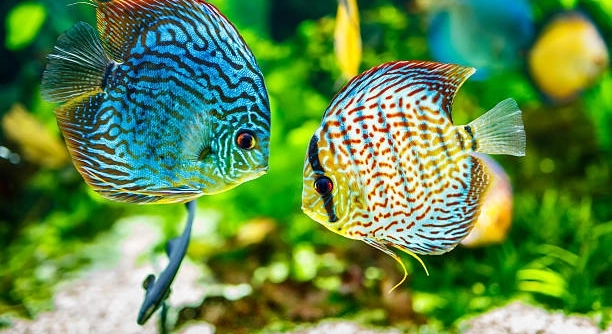
Do you ever notice your discus fish struggling to breathe or showing signs of distress? Many owners encounter this issue and want to understand what might be causing their pet’s discomfort. Recognizing the signs early can make a big difference for your fish’s well-being.
Discus fish experience difficulty breathing primarily due to poor water quality, low oxygen levels, or infections affecting their gills. These factors impair their ability to absorb oxygen efficiently, leading to labored or rapid breathing. Prompt diagnosis and treatment are essential to prevent further harm.
Knowing what affects your discus fish’s breathing can help you act quickly. This article will explain the common causes and offer practical advice to keep your fish healthy and comfortable.
Common Causes of Breathing Problems in Discus Fish
Discus fish are sensitive creatures, and several factors can affect their breathing. Poor water quality is often the main issue. High levels of ammonia, nitrites, or nitrates in the tank make it hard for the fish to breathe. Low oxygen levels in the water also cause them to gasp or breathe quickly. This can happen if the tank is overcrowded or if the filter is not working well. Another common cause is gill disease or infections. Parasites, bacteria, or fungi can irritate the gills, making it difficult for discus to extract oxygen. Stress from sudden changes in temperature or water conditions can worsen breathing problems. Regular tank maintenance, water testing, and careful monitoring help keep your discus healthy. Paying attention to these factors prevents breathing difficulties before they become serious problems.
Poor water quality and infections are the two biggest risks for discus breathing issues.
Understanding these causes allows you to take better care of your discus and maintain a healthy tank environment.
How to Improve Your Discus Fish’s Breathing
Improving your discus fish’s breathing starts with water quality. Test the water regularly for ammonia, nitrites, and nitrates. Change the water partially every week to keep it clean. Make sure the tank is not overcrowded and that your filter runs efficiently. Adding an air stone or increasing surface agitation helps boost oxygen levels. If you notice signs of infection, such as red or swollen gills, seek advice on appropriate treatment. Maintaining a stable temperature and avoiding sudden changes will reduce stress for your fish. Feeding a balanced diet supports their immune system, helping them fight off illness. Keeping the tank clean and well-maintained creates the best conditions for your discus to breathe easily and stay healthy. Regular observation lets you catch any breathing problems early and act promptly to fix them.
Signs of Breathing Difficulty in Discus Fish
Labored or rapid breathing is the most obvious sign your discus is struggling. You may also notice your fish gasping at the surface or staying near the filter outlet. Other signs include lethargy, loss of appetite, and clamped fins. Watch for unusual gill movements or discoloration.
If your discus is breathing fast, it means they are not getting enough oxygen. Staying near the water surface or filter can be a way to find better oxygen flow. Gills may look swollen or pale, indicating irritation or infection. Lethargy often follows as the fish tires from struggling to breathe. Pay close attention to appetite changes, which can signal stress or illness. These symptoms together help identify the problem early.
Sometimes, breathing issues show subtly. Changes in swimming patterns or hiding more than usual may be signs. Early detection lets you act before the situation worsens. Keep observing your fish daily to catch these signals in time.
Preventing Breathing Issues in Discus Fish
Regular tank cleaning is essential to prevent breathing problems. Remove uneaten food and debris to avoid water contamination. Keep water parameters stable by testing weekly. Avoid overcrowding to ensure enough oxygen for each fish. Use a reliable filter and maintain good water circulation. Temperature changes should be gradual to minimize stress.
Proper tank care supports your discus’s respiratory health. Good oxygen levels reduce the risk of breathing difficulties. Stable water conditions strengthen their immune system. When you prevent poor water quality and stress, your discus will breathe comfortably. Consistent maintenance is the best defense against common respiratory issues. Following these steps creates a safe, healthy home for your fish.
Treatment Options for Breathing Problems
Medication can help if your discus has a bacterial or parasitic infection. Use treatments specifically made for fish gill diseases. Follow the instructions carefully to avoid harming your fish or beneficial bacteria in the tank.
Improving water quality is just as important as medication. Regular water changes and tank cleaning support recovery. A healthy environment helps your discus heal faster and breathe easier.
Importance of Water Quality Testing
Testing your tank water regularly prevents many breathing problems in discus. Parameters like pH, ammonia, nitrite, and nitrate levels must stay within safe limits. Testing helps catch issues early before they harm your fish.
Role of Temperature in Breathing
Temperature affects how much oxygen water can hold. Warmer water holds less oxygen, which may cause breathing problems. Keeping temperature stable between 82°F and 86°F supports healthy discus respiration.
When to Consult a Vet
If breathing problems continue despite your care, it’s time to seek professional help. A vet can diagnose underlying illnesses and recommend proper treatment. Early intervention improves chances of recovery.
FAQ
Why is my discus fish breathing rapidly?
Rapid breathing in discus usually means they are not getting enough oxygen. This can happen if the water quality is poor or oxygen levels are low. It may also signal infections or irritation in their gills. Checking the tank conditions and observing for other signs can help identify the cause.
Can poor water quality cause breathing problems?
Yes, poor water quality is one of the main reasons discus struggle to breathe. High ammonia, nitrite, or nitrate levels damage the gills and reduce oxygen absorption. Keeping the tank clean and testing water regularly is key to preventing issues.
How often should I test my tank water?
Testing at least once a week is ideal. This helps catch dangerous changes early, like spikes in ammonia or nitrites. Consistent monitoring keeps your discus safe and breathing well.
What are the signs of gill disease in discus fish?
Signs include swollen, red, or pale gills, rapid breathing, gasping at the surface, and sometimes scratching against tank surfaces. If you see these, treatment may be needed quickly to avoid serious damage.
Is temperature important for discus breathing?
Yes, temperature affects oxygen levels in the water. Warmer water holds less oxygen, which can make breathing harder for discus. Keeping the temperature steady between 82°F and 86°F helps maintain proper oxygen levels.
How can I increase oxygen in my discus tank?
Adding an air stone or increasing surface agitation can boost oxygen levels. Also, avoid overcrowding and make sure the filter runs well to promote water circulation.
Can stress cause breathing issues in discus?
Stress from sudden water changes, poor water quality, or aggressive tank mates can worsen breathing problems. Reducing stress by maintaining stable tank conditions helps your discus breathe easier.
When should I use medication for breathing problems?
Use medication if you suspect infections like parasites or bacteria on the gills. Always follow instructions and use treatments designed for fish. Improving water quality should happen alongside medication.
What is the best way to do water changes for discus?
Partial water changes of 25-30% weekly help keep the water clean without shocking the fish. Use dechlorinated water at the same temperature to avoid stress.
Why does my discus gasp at the surface?
Gasping at the surface means your discus is searching for oxygen-rich water. This usually signals low oxygen levels in the tank and needs immediate attention.
Can diet affect my discus’s breathing?
A poor diet weakens the immune system, making discus more prone to infections that affect breathing. Feeding a balanced diet supports overall health and respiratory function.
How long does it take for a discus to recover from breathing problems?
Recovery time depends on the cause and how quickly you act. With proper treatment and good tank care, improvement can be seen within days, but full recovery may take weeks.
Is it normal for discus to breathe faster after feeding?
Slightly faster breathing after feeding can happen because their metabolism increases. However, continuous rapid breathing after feeding could indicate stress or poor water conditions.
Can tank size affect discus breathing?
Yes, a tank that is too small can lead to overcrowding and lower oxygen levels. Providing enough space allows better water quality and oxygen for healthy breathing.
How do I know if my discus is stressed?
Signs of stress include rapid breathing, hiding, loss of appetite, and clamped fins. Stress often makes breathing problems worse, so reducing it is important for recovery.
What are the risks of ignoring breathing problems in discus?
Ignoring these issues can lead to severe gill damage, weakness, and even death. Early action prevents suffering and protects your fish’s health.
Can I use household remedies to help my discus breathe better?
It’s best to avoid home remedies unless recommended by a vet or expert. Incorrect treatments can harm your fish or disrupt tank balance.
How important is quarantine for new discus?
Quarantining new fish prevents introducing diseases that cause breathing problems. It also gives time to monitor their health before adding them to the main tank.
What should I do if my discus stops breathing altogether?
If your discus appears lifeless or is not moving its gills, emergency intervention is needed. Check water quality immediately and consult a vet if possible.
Can poor filtration cause breathing problems?
Yes, poor filtration reduces water circulation and oxygen levels. It can also allow waste buildup, which harms the gills. Maintaining a good filter is essential.
Discus fish are beautiful but sensitive pets that need careful attention. Breathing difficulty is a serious sign that something is wrong in their environment or health. It often points to issues like poor water quality, low oxygen, or infections. When these problems are ignored, they can quickly worsen and harm your fish. Understanding what affects your discus’s breathing helps you keep them healthy and comfortable. Taking small but consistent steps, such as testing water regularly and keeping the tank clean, makes a big difference.
Maintaining stable water conditions is the best way to prevent breathing problems in discus. This means keeping ammonia, nitrite, and nitrate levels low, and making sure the water temperature stays steady. Oxygen levels need to be adequate, which can be supported by proper filtration and aeration. Feeding your discus a balanced diet also helps strengthen their immune system. When your fish live in a well-maintained tank, they are less likely to develop infections that affect their breathing. Early signs like rapid breathing or gasping at the surface should never be overlooked. Acting quickly by checking the water and treating any infections can save your discus from serious health issues.
If breathing problems do occur, treating the root cause is important. Sometimes medication is needed to clear infections, but improving water quality and reducing stress are equally critical. Keeping an eye on your discus’s behavior and appearance can help you notice issues early on. Don’t hesitate to ask for help from experts or vets if the problem persists. Taking care of discus fish requires patience and commitment, but the reward is a healthy, vibrant fish that thrives in your aquarium. By staying aware and attentive, you create the best environment for your discus to breathe easily and live well.

Hello,
If you enjoy the content that we create, please consider saying a "Thank You!" by leaving a tip.
Every little bit helps us continue crafting quality advice that supports the health, happiness, and well-being of pets around the world, for pets of all shapes, sizes, and species.
We really appreciate the kindness and support that you show us!