
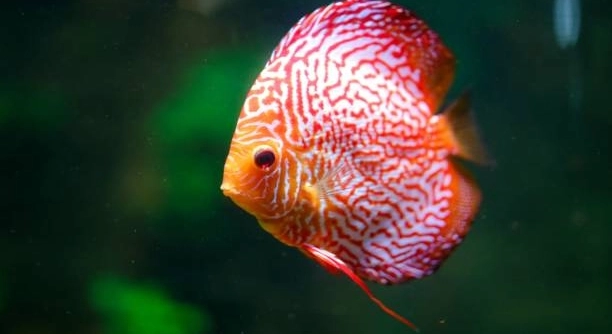
Caring for discus fish can be rewarding, but sometimes these colorful pets show signs that something might be wrong. Knowing when your discus needs medication is important for their health and well-being. Early attention can make all the difference in recovery.
Discus fish require medication when they display clear symptoms such as lethargy, loss of appetite, unusual spots or discoloration, rapid breathing, or abnormal swimming behavior. Prompt identification and treatment help prevent serious health issues and improve survival rates.
Recognizing these signs early allows you to take proper action and keep your discus healthy and happy for longer.
Common Signs Your Discus May Need Medication
Discus fish are sensitive and can show many signs when they are not feeling well. One of the most common signs is a change in behavior. If your discus is hiding more than usual or seems less active, it may be sick. Another key sign is a loss of appetite. Healthy discus are usually eager to eat, so if yours is ignoring food, it could be a warning. Look closely for physical changes, such as white spots, redness, or a slimy coating on their body or fins. Rapid breathing or gasping at the water surface can also indicate distress. Swimming oddly, like darting or floating sideways, may mean something is wrong internally. These symptoms don’t always mean medication is needed, but they do suggest that closer care and observation are necessary to avoid worsening problems.
Early signs of illness are important to catch before the condition becomes severe.
Treating symptoms quickly can prevent disease from spreading to other fish in the tank and increase the chances of a full recovery for your discus.
When to Consult a Veterinarian
If your discus shows persistent symptoms or worsens despite basic care, it’s best to seek professional advice. A veterinarian can properly diagnose the problem and suggest the right medication or treatment plan. They may recommend water tests or examine your fish closely to find infections, parasites, or other issues. Avoid guessing with medication, as improper use can harm your fish or make problems worse. Timely veterinary help ensures your discus receives targeted care. This approach not only helps your fish recover faster but also protects the whole tank’s health. Always keep your vet’s contact information handy so you can act quickly when needed.
Identifying Behavioral Changes
Discus fish that need medication often behave differently. They might swim less, hide more, or seem restless. These changes usually signal stress or illness.
Behavioral changes are among the earliest signs that something is wrong with your discus. For example, a fish that normally swims actively around the tank may suddenly stay near the bottom or cling to plants. Restlessness, such as darting back and forth or rubbing against objects, can indicate irritation or parasites. These behaviors often appear before physical symptoms, so paying close attention helps catch problems early. If your discus acts unusually for more than a day, it’s a good idea to monitor water quality and consider possible health issues.
Ignoring these changes can worsen your discus’s condition. Stress weakens their immune system, making it harder to fight off infections. Acting quickly by adjusting tank conditions or seeking treatment improves their chances of recovery and keeps the whole aquarium environment stable.
Common Physical Symptoms
Physical signs like discoloration, spots, or frayed fins often show when a discus needs medication. These symptoms indicate infections or parasites that require treatment.
Discoloration or pale patches can mean your discus is stressed or sick. White spots might point to ich, a common parasite. Redness on the fins or body often signals bacterial infection. Frayed or torn fins suggest fin rot, which happens when bacteria attack damaged tissue. Swollen or bloated bellies can be a sign of internal problems, including parasites or poor digestion. Close inspection under good lighting helps spot these issues early. If you notice any of these symptoms, it’s important to test your water quality and consider appropriate medication to prevent the condition from worsening.
Ignoring physical symptoms can lead to serious illness or death. Immediate action and proper treatment will give your discus the best chance to heal and thrive.
Monitoring Water Quality
Water quality is crucial for discus health. Poor water conditions often cause illness and may require medication.
Regular testing for ammonia, nitrite, nitrate, and pH helps keep the tank safe. Keeping these levels stable prevents stress and disease.
Signs of Parasite Infection
Parasites can cause itching, flashing (rubbing against surfaces), and white spots. These signs often mean your discus needs specific treatment.
If untreated, parasites can weaken your fish quickly, making medication necessary to stop the infection and protect other tank mates.
When Medication Is Not Needed
Sometimes, minor issues resolve with improved care. Adjusting water quality and diet may help before using medication.
Avoid unnecessary medication as it can disrupt tank balance and harm beneficial bacteria essential for a healthy aquarium.
FAQ
How do I know if my discus fish is stressed?
Stress in discus fish often shows as changes in behavior and appearance. They may hide more, swim less, or gasp at the water surface. Color fading or clamped fins can also indicate stress. Poor water quality, overcrowding, or sudden changes in temperature often cause stress. Keeping stable tank conditions helps reduce stress and prevents illness.
Can I medicate discus fish preventively?
Preventive medication is generally not recommended. Using medicine without signs of illness can harm beneficial bacteria in the tank and upset the ecosystem. Instead, focus on maintaining clean water, proper diet, and a stable environment to keep your discus healthy. Only use medication when clear symptoms appear or after consulting a veterinarian.
What are the common diseases that require medication?
Common diseases needing treatment include ich (white spot disease), fin rot, bacterial infections, and parasitic infestations. Each shows different symptoms like white spots, frayed fins, redness, or unusual swimming behavior. Identifying the correct illness is important to choose the right medication and increase recovery chances.
How long does medication take to work on discus fish?
Medication effectiveness varies by disease and drug type but usually takes about 5 to 10 days. Always follow the instructions on the medicine carefully and complete the full treatment course. Stopping treatment early can cause the illness to return or worsen.
Can I treat all discus fish illnesses at home?
Many common illnesses can be treated at home if diagnosed early and if proper medication is used. However, some serious or unclear conditions require professional diagnosis. If symptoms persist or worsen after initial treatment, contacting a vet is the safest choice.
How should I prepare the tank for medicating discus?
Before medicating, remove activated carbon from your filter as it absorbs medicine. Test water parameters and do a partial water change if needed. Keep the tank temperature and pH stable during treatment. Isolate sick fish in a quarantine tank when possible to avoid spreading disease.
Is it safe to medicate discus with other fish in the same tank?
Some medications are safe for community tanks, but others can harm sensitive species or beneficial bacteria. Research the medicine beforehand and consider treating sick fish separately in quarantine. This reduces stress for healthy fish and improves treatment success.
What should I do if medication doesn’t work?
If medication fails, reassess water quality and tank conditions first. Poor water can hinder recovery. Sometimes symptoms look like disease but have other causes, such as poor diet or stress. Consult a veterinarian for an accurate diagnosis and alternative treatments.
How can I prevent discus fish from getting sick?
Maintain excellent water quality with regular testing and changes. Feed a balanced diet and avoid overfeeding. Keep the tank clean and avoid overcrowding. Quarantine new fish before adding them to your tank. Preventive care is the best way to avoid needing medication.
Can improper medication harm my discus fish?
Yes, wrong dosage or incorrect medicine can stress or poison your fish. Overuse can kill beneficial bacteria, causing poor water quality. Always follow instructions carefully and consult experts if unsure. Using medication only when needed is safest.
What role does diet play in discus health?
A nutritious diet strengthens discus immune systems, helping them resist infections. Poor nutrition can lead to weak fish that are more prone to illness. Feeding varied, high-quality food supports overall health and speeds recovery when medicated.
How often should I monitor my discus fish during treatment?
Daily observation is important during treatment. Watch for improvements or worsening symptoms. Check water parameters often to keep conditions stable. Early detection of any problems helps adjust care quickly and supports healing.
Can I use natural remedies instead of medication?
Some natural treatments may help minor issues or support recovery, like salt baths or herbal additives. However, serious infections usually require proper medication. Natural remedies should not replace veterinary advice or prescribed medicine.
What signs mean my discus is recovering?
Improved appetite, normal swimming, brighter colors, and clear skin are good signs. Reduced symptoms like spots or redness indicate healing. Recovery may take time, so continue care even after symptoms fade to ensure full health return.
Final Thoughts
Taking care of discus fish means paying close attention to their health every day. These fish are beautiful but sensitive, so spotting early signs of illness is very important. Changes in behavior, such as hiding or swimming oddly, and physical signs like spots or frayed fins should never be ignored. Acting early when you notice these problems can make a big difference in how well your discus recovers. Keeping an eye on your fish regularly helps you catch small issues before they turn into serious diseases.
Water quality plays a huge role in keeping discus healthy. Clean water with stable conditions lowers the chance of illness and reduces stress for your fish. Regular testing and maintenance of your aquarium are key to creating a safe environment. Sometimes, illness is not caused by disease but by poor water conditions. Fixing these issues can help your discus feel better without needing medication. When medication is needed, it’s important to use it correctly and follow instructions carefully. Overusing medicine or treating unnecessarily can harm your fish and the tank’s ecosystem.
If you are unsure about your discus’s health, consulting a veterinarian is always a good idea. They can help diagnose problems and recommend the best treatments. Keeping a close relationship with a vet who understands fish health can give you peace of mind. Remember, good care includes stable water, proper diet, and careful observation. When your discus shows signs of sickness, quick action helps protect your fish and your whole aquarium. Taking these steps makes it possible to enjoy a healthy, colorful discus for a long time.

Hello,
If you enjoy the content that we create, please consider saying a "Thank You!" by leaving a tip.
Every little bit helps us continue crafting quality advice that supports the health, happiness, and well-being of pets around the world, for pets of all shapes, sizes, and species.
We really appreciate the kindness and support that you show us!