
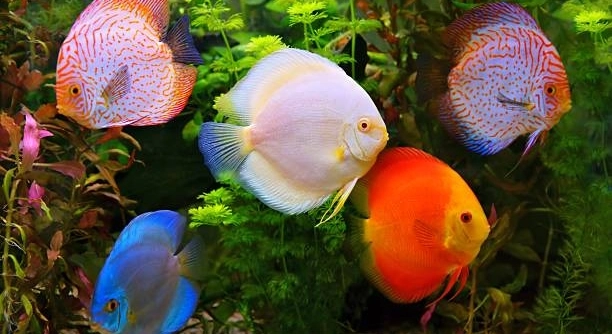
Many discus owners notice their fish twitching while swimming and wonder what it means. This behavior can be surprising and sometimes concerning when you first see it in your aquarium. Understanding why it happens is helpful for keeping your discus healthy.
Discus twitching while swimming is usually caused by irritation from parasites, stress, or water quality issues. These factors affect the fish’s nervous system or skin, leading to involuntary muscle contractions or spasms during movement.
Learning more about these causes can help you manage your discus’s environment better. Knowing what triggers twitching will support your fish’s comfort and overall well-being.
Common Causes of Discus Twitching
Discus twitching often comes from a few common issues in the aquarium. One major cause is parasites, such as ich or other external pests. These tiny invaders irritate the fish’s skin, making them twitch or scratch against objects. Another common factor is poor water quality. High levels of ammonia, nitrites, or nitrates stress the discus and can affect their nervous system. Temperature fluctuations also play a role. Discus are sensitive to changes in water temperature, which can cause muscle spasms or twitching. Stress from overcrowding or aggressive tank mates might contribute as well. Each of these issues affects the discus differently, but they all show up as twitching during swimming. Keeping the tank clean, stable, and well-maintained helps reduce these problems and supports your fish’s health.
Proper water testing and parasite control are essential to avoid twitching problems in discus fish.
Checking your aquarium’s water regularly and using appropriate treatments for parasites will keep your discus comfortable. It is important to create a calm environment with steady water parameters and enough space. Avoid sudden changes in temperature or tank setup. Watching your discus carefully for early signs of twitching can help catch problems early. Addressing these causes quickly prevents long-term damage and keeps your discus swimming smoothly.
How to Improve Your Discus’s Environment
Improving the environment means focusing on clean water, stable temperature, and proper tank size. A good filter is necessary to remove waste and keep the water clear. Regular water changes help maintain healthy water chemistry and prevent buildup of harmful substances. The ideal temperature for discus is usually between 82°F and 86°F. Keeping it steady is key, so use a reliable heater and thermometer. Your tank should have enough space to reduce stress and allow free movement. Avoid overcrowding, and choose compatible tank mates to reduce aggression. Adding plants and hiding spots can also help discus feel secure. Making these adjustments supports their health and reduces twitching caused by stress or irritation. Taking care of these details will make your discus feel more at home and less likely to twitch.
Identifying Parasites on Your Discus
Parasites on discus often cause twitching and discomfort. Common signs include small white spots, scratching against objects, or visible tiny worms or flakes on the skin. Parasites can hide in the fins or gills, making them harder to spot without close observation.
To confirm parasites, inspect your discus carefully in good light. Use a magnifying glass if needed to see small spots or movements. Early detection is crucial because parasites multiply quickly and worsen the twitching. Quarantine new fish before adding them to your main tank to prevent spreading parasites. Regularly treating your tank with safe antiparasitic medications can keep infestations under control and reduce twitching episodes caused by skin irritation.
If you notice your discus scratching more than usual or losing scales, it may be infected. Treating the problem quickly can help your fish recover and swim normally again.
Managing Stress to Prevent Twitching
Stress affects discus more than many fish, often causing twitching and other unusual behaviors. Stressors include sudden changes in water quality, temperature swings, overcrowding, or aggressive tank mates. Minimizing stress means creating a stable and calm environment.
To reduce stress, maintain a steady water temperature and keep the tank clean with regular water changes. Ensure your discus have enough space to swim freely without being chased or crowded. Avoid loud noises or sudden movements near the tank, as discus are sensitive to their surroundings. Adding plants and hiding spots can make them feel more secure. A less stressful environment helps your discus stay healthy and twitch less often, improving their overall quality of life in your aquarium.
Water Quality and Its Impact
Poor water quality is a major cause of discus twitching. High levels of ammonia, nitrites, or nitrates can irritate their skin and nervous system, causing spasms. Regular water testing is essential to catch problems early.
Keeping the water clean with proper filtration and frequent changes reduces stress on your discus. Stable water parameters help prevent twitching and keep your fish healthy.
Temperature Stability
Discus need consistent water temperatures between 82°F and 86°F. Sudden drops or spikes in temperature can cause muscle spasms or twitching. Using a reliable heater and thermometer helps maintain this stability and reduces stress.
Tank Size and Space
A cramped tank increases stress and twitching. Providing ample swimming space allows discus to move freely and feel secure, reducing twitching caused by discomfort or aggression from tank mates.
Nutrition and Twitching
Poor diet weakens discus, making twitching more likely. Feeding a balanced diet rich in vitamins and protein supports muscle health and overall well-being, which helps reduce twitching episodes.
FAQ
Why is my discus twitching only sometimes and not all the time?
Discus twitching that happens occasionally is often a sign of minor irritation or stress. It may occur when the fish encounters something uncomfortable, like a small parasite or a sudden change in water conditions. If twitching stops quickly and your discus seems normal afterward, it’s usually not serious. However, if it becomes frequent or lasts longer, it might mean a deeper issue with water quality, parasites, or stress that needs attention.
Can twitching be caused by poor diet?
Yes, a poor diet can contribute to muscle weakness and twitching. Discus require a balanced diet rich in vitamins, proteins, and minerals to keep their muscles and nerves healthy. Feeding low-quality food or not enough variety can cause nutritional deficiencies, which may lead to twitching or other health problems. Improving the diet with high-quality flakes, pellets, and frozen or live food often helps reduce twitching.
How quickly should I act if my discus starts twitching?
It’s best to act quickly when you notice twitching. Early intervention can prevent small problems from becoming serious. Start by testing your water for ammonia, nitrites, nitrates, and temperature. Check for parasites by observing your fish closely. If water quality is poor, do a partial water change. If parasites are suspected, treat with appropriate medication. Acting fast improves the chance your discus will recover without lasting harm.
Are some discus more prone to twitching than others?
Yes, some discus can be more sensitive than others due to genetics or their health history. Young or newly introduced discus may twitch more as they adjust to new surroundings. Older or weaker fish are also more vulnerable. Keeping stress low and maintaining good water quality helps all discus, but some individuals might always show twitching occasionally due to their natural sensitivity.
Can twitching indicate a serious disease?
Twitching can sometimes be an early sign of serious diseases, especially if accompanied by other symptoms like loss of appetite, lethargy, or visible wounds. Parasites, bacterial infections, or neurological problems may cause twitching. Observing your fish carefully and consulting a vet or experienced aquarist can help identify if twitching is linked to a bigger health concern.
What can I do to prevent twitching in the future?
Prevention focuses on keeping stable and clean tank conditions. Regular water testing and changes, avoiding overcrowding, and maintaining a consistent temperature reduce stress and irritation. Quarantine new fish to prevent parasite introduction. Feeding a balanced diet and providing hiding spots also supports discus health. Routine care and attention help minimize twitching and keep your fish comfortable.
Is twitching harmful to my discus?
Occasional twitching itself is not usually harmful but can indicate discomfort or stress. If left untreated, the causes of twitching—like parasites or poor water quality—can harm your discus over time. Addressing twitching early ensures your fish stay healthy and avoid further problems.
Should I isolate a twitching discus?
Isolating a twitching discus in a quarantine tank is a good idea if you suspect parasites or illness. This helps prevent spreading infections to other fish. It also allows you to monitor the fish closely and provide treatments without affecting the main tank. If twitching is caused by stress or water quality, improving the main tank environment might be enough without isolation.
Can twitching be caused by aggressive tank mates?
Yes, aggressive fish can stress discus, leading to twitching or other signs of discomfort. Stress weakens the immune system and makes twitching more likely. Choosing peaceful tank mates and giving your discus enough space can reduce stress and twitching caused by aggression.
How long does it take for twitching to stop after treatment?
The time it takes for twitching to stop depends on the cause and treatment used. If water quality improves or parasites are cleared, twitching may stop within a few days. Nutritional improvements might take longer to show effects. Continue monitoring your discus closely to ensure twitching decreases and does not return.
Discus twitching while swimming can be worrying, but it is often a sign that something in their environment needs attention. Common causes include parasites, stress, poor water quality, and temperature fluctuations. Each of these factors affects the discus’s comfort and health in different ways, but they all can lead to muscle spasms or twitching movements. Understanding these causes helps you know what to check and how to respond. By regularly observing your discus and keeping their tank clean and stable, you reduce the chances of twitching and promote a healthier, happier fish.
Taking care of discus requires careful attention to their environment. Water quality is one of the most important parts. Testing the water for harmful substances like ammonia and nitrates, and keeping these levels low with frequent water changes, supports your discus’s well-being. Stable temperature is also vital since sudden changes can stress your fish and cause twitching. Providing enough space, avoiding overcrowding, and choosing peaceful tank mates create a less stressful home for your discus. These steps reduce irritation and allow your fish to swim comfortably without twitching.
Nutrition plays a key role as well. Feeding a balanced diet rich in vitamins and protein strengthens your discus’s muscles and immune system, helping prevent twitching caused by weakness or poor health. Watching for early signs of parasites or illness and acting quickly if you see twitching helps avoid serious problems. While twitching itself is usually not dangerous, it often signals that something needs fixing. By keeping a close eye on your discus and their tank, you create the best conditions for them to thrive and swim smoothly every day.

Hello,
If you enjoy the content that we create, please consider saying a "Thank You!" by leaving a tip.
Every little bit helps us continue crafting quality advice that supports the health, happiness, and well-being of pets around the world, for pets of all shapes, sizes, and species.
We really appreciate the kindness and support that you show us!