
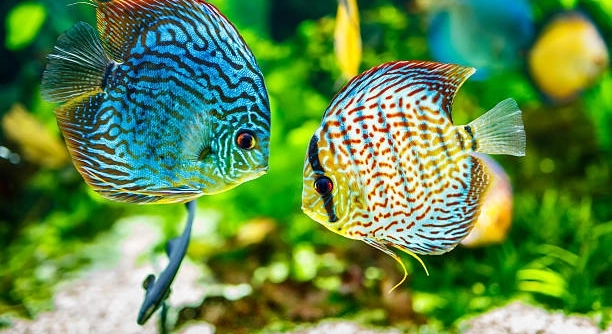
Do you ever find yourself unsure about how many discus your tank can really hold without affecting their comfort or health?
A 75-gallon tank can comfortably house 6 to 8 adult discus fish. This range allows enough space for swimming, territorial behavior, and maintaining water quality, which are all essential for their overall well-being.
Learning how tank size, behavior, and water conditions work together can help you create a healthier environment for your discus.
Why Tank Size Matters for Discus Fish
Discus fish are sensitive and require specific conditions to thrive. Their health and behavior can be affected by water quality, space, and social dynamics. In a 75-gallon tank, giving them enough room to swim freely and establish their natural hierarchy is essential. Overcrowding can lead to stress, illness, and aggression. It can also make it harder to maintain clean water, which is vital for their survival. Adult discus grow to be quite large—up to 6 inches each—so it’s important to plan for their full size rather than their juvenile stage. Six to eight discus in a tank of this size allows for stable water parameters and healthy group behavior. Discus are schooling fish, and they do best in groups. A group that’s too small can lead to bullying, while too many can create territorial issues. Balanced space keeps them active, calm, and less likely to get sick.
A large tank also makes water changes easier, as there’s more room for error and dilution.
When stocking your tank, always consider the full-grown size of the fish, not just how small they appear when you buy them. This ensures you provide enough space from the beginning and avoid unnecessary stress later.
Factors That Affect Stocking Numbers
Water quality plays a huge role in how many discus your tank can support.
Discus fish are more sensitive than many other freshwater species. Their environment needs to stay clean and stable. Frequent feeding and waste production in a small space can quickly degrade water quality, especially if the tank is overstocked. A 75-gallon tank allows for a bit of breathing room, but even with 6 to 8 fish, you’ll still need regular water changes. Consider your filtration system too—strong and efficient filters can help manage the load, but they don’t replace the need for proper tank management. Temperature and pH should also remain consistent. Discus thrive in slightly acidic, warm water, and fluctuations can impact their health. Their peaceful nature also means they do better without overly active or aggressive tankmates. The tank’s layout matters as well. Providing hiding spots, open swimming areas, and clear territory helps them feel safe and less likely to act out. Proper care keeps them healthy and colorful.
Behavior and Social Needs of Discus
Discus are social fish that rely on group interaction to feel secure. They form a natural hierarchy, and having the right number helps keep aggression low. Too few can lead to bullying, while too many can cause stress and competition.
In a properly sized group, discus display calm, graceful swimming and healthy feeding habits. You may notice one or two becoming slightly dominant, but with enough space, others can avoid conflict. This balance creates a more peaceful tank environment. Their social behavior also helps reduce anxiety, making them more active and responsive. Watching them interact is one of the best parts of keeping discus. They may even pair off for breeding if the conditions are right. Providing consistent care and monitoring their behavior will help you catch signs of stress or imbalance early. Happy discus show strong colors and move with ease, without hiding or acting aggressively.
Stressful conditions can cause discus to isolate themselves, stop eating, or darken in color. If you notice these signs, it could mean your tank is overstocked or the group dynamics are off. Adding or removing a fish sometimes solves the issue, but always monitor closely. Balanced groups are key to long-term health and comfort.
Maintenance and Upkeep Considerations
Maintaining a tank with discus takes regular effort. Weekly water changes of 30–50% are often needed, especially with higher stocking levels. Clean water supports their immune system and keeps them active.
Your filtration system should be strong but gentle. Discus don’t like strong currents, so use filters that clean efficiently without disturbing the water too much. It helps to vacuum the substrate regularly to remove uneaten food and waste, which can affect water quality. Feed high-quality food in small amounts to avoid excess waste. Keep an eye on ammonia, nitrites, and nitrates—these should always be in safe ranges. A stable heater is also necessary since discus prefer warm water. Test the water weekly to ensure all parameters are consistent. Skipping maintenance can lead to sudden changes, which discus don’t handle well. With routine care, your tank stays cleaner and your discus remain healthier and less prone to illness.
Choosing the Right Tank Setup
A bare-bottom tank is easier to clean and helps keep water quality stable. Many discus keepers choose this setup, especially for younger fish or breeding pairs. It allows for better waste removal during water changes.
If you prefer a planted tank, choose slow-growing plants and gentle filtration. Discus enjoy calm water and hiding spots, so driftwood and broad-leaf plants work well. Just be prepared for more maintenance.
Feeding and Waste Management
Discus need a protein-rich diet and frequent small feedings. This can lead to excess waste, so you’ll need to stay on top of cleaning. Overfeeding causes leftover food to decay, which can spike ammonia levels. Always remove uneaten food quickly and keep a regular cleaning schedule to stay ahead of buildup.
Monitoring Health and Behavior
Watch for signs like clamped fins, darkened color, or loss of appetite. These often mean something is off with water quality or social balance.
FAQ
How many discus can live comfortably in a 75-gallon tank?
A 75-gallon tank can comfortably hold about 6 to 8 adult discus. This number gives each fish enough space to swim freely and maintain natural social behavior. Overcrowding can lead to stress, illness, and poor water quality, which makes it harder to keep discus healthy.
Can I keep other fish with discus in a 75-gallon tank?
Yes, but tank mates should be peaceful and compatible with discus’ water needs. Avoid aggressive or very active fish that could stress discus. Small tetras or corydoras catfish are popular companions because they share similar water preferences and don’t bother discus.
How often should I change water in a 75-gallon discus tank?
Weekly water changes of 30–50% are recommended. Discus produce a lot of waste, so regular water changes help keep ammonia and nitrate levels low. Consistent water quality is essential for discus health and reduces the risk of disease.
What temperature is best for discus in a 75-gallon tank?
Discus prefer warm water between 82°F and 86°F (28°C to 30°C). Keeping the temperature stable within this range helps reduce stress and supports their immune system. Sudden temperature changes can cause illness.
What type of filtration is best for a discus tank?
A gentle but efficient filtration system works best. Discus do not like strong currents, so filters that clean well without disturbing the water too much are ideal. Canister filters or sponge filters are common choices.
How can I prevent discus from bullying each other?
Keeping a group of at least six fish helps distribute aggression and reduces bullying. Provide hiding places like plants and driftwood so submissive fish can avoid dominant ones. Watch for signs of stress and be ready to adjust tank mates if needed.
What should I feed discus in a 75-gallon tank?
Discus need a varied diet high in protein. Feed them quality pellets, frozen or live foods like bloodworms, brine shrimp, and beef heart. Small, frequent feedings throughout the day help reduce waste and keep discus healthy.
How long do discus live in a well-maintained 75-gallon tank?
With proper care, discus can live 10 to 15 years. Maintaining clean water, stable temperature, good nutrition, and a proper social environment all contribute to their longevity.
What signs show that discus are stressed in a 75-gallon tank?
Signs include clamped fins, hiding excessively, loss of appetite, darkened color, and lethargy. Stress often results from poor water quality, overcrowding, or incompatible tank mates. Addressing these issues quickly helps prevent illness.
Is it okay to keep juvenile discus in a 75-gallon tank?
Yes, juvenile discus can live in a 75-gallon tank, but they grow quickly. Plan for their adult size to avoid overcrowding later. Juveniles may need slightly different care, like more frequent feedings and careful monitoring of water quality.
Final Thoughts
Keeping discus fish in a 75-gallon tank can be very rewarding when done correctly. The key is to provide enough space for six to eight adult discus, which allows them to swim comfortably and interact naturally. Giving them room to grow and establish social groups helps reduce stress and keeps the fish healthier over time. It’s important to remember that discus are sensitive fish, so maintaining good water quality and stable conditions is essential. Proper care requires regular water changes, careful feeding, and close attention to their behavior.
The tank setup plays a big role in their comfort as well. A simple tank with a bare bottom is easier to keep clean, but a planted tank with gentle filtration can offer hiding spots and a more natural feel. Either way, keeping the water temperature steady between 82°F and 86°F is critical for their well-being. Filtration needs to be strong enough to maintain water quality but gentle to avoid stressing the fish. Watching your discus daily can help you notice early signs of stress or illness, like changes in color or behavior, so you can respond quickly.
Feeding discus properly also makes a big difference. They need a balanced diet rich in protein, fed in small amounts several times a day. Overfeeding can lead to water quality problems, so it’s important to remove uneaten food promptly. Adding peaceful tank mates can enhance the aquarium’s balance but choose species that share similar water needs and won’t bother the discus. Overall, a 75-gallon tank offers a good environment for a small group of discus if you are ready to put in the time and effort needed to maintain their ideal living conditions. With patience and care, you can enjoy watching these beautiful fish thrive and display their natural behaviors for many years.

Hello,
If you enjoy the content that we create, please consider saying a "Thank You!" by leaving a tip.
Every little bit helps us continue crafting quality advice that supports the health, happiness, and well-being of pets around the world, for pets of all shapes, sizes, and species.
We really appreciate the kindness and support that you show us!