
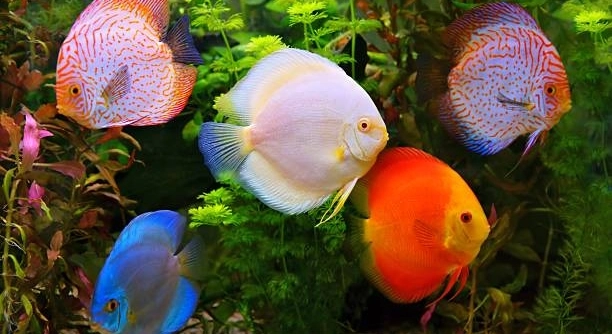
Discus fish are known for their vibrant colors and calm nature. Sometimes, they show flicking behavior that can worry fish owners. Understanding why they flick can help keep these beautiful fish healthy and happy in your aquarium.
Flicking behavior in discus fish is often caused by irritation, stress, parasites, poor water quality, overcrowding, sudden changes in environment, or lack of proper nutrition. Identifying the exact cause is essential for effective treatment and prevention.
Learning about these causes can improve your care routine and create a better home for your discus fish. This knowledge helps you respond quickly and keep your fish comfortable and thriving.
Irritation from Parasites and Skin Issues
Discus fish may flick when they feel irritated on their skin or fins. Parasites like ich or flukes can cause itching, leading to flicking as the fish tries to relieve discomfort. Skin infections or wounds can also trigger this behavior. These problems often happen when water quality is poor or new fish introduce infections. It is important to check your fish closely for white spots, redness, or unusual marks. Treating the water and using proper medication can help clear parasites and infections quickly. Keep an eye on your fish after treatment to make sure the flicking stops and the fish recovers well. A clean, stable environment reduces the risk of these problems. Healthy discus fish show smooth, vibrant skin without signs of irritation. Flicking due to skin issues signals a need for prompt attention to avoid worsening conditions or stress on your fish.
Parasite irritation is one of the more common reasons discus flick. Acting quickly can prevent serious harm.
Addressing parasites requires proper medication and careful water management. Regular tank maintenance and quarantine for new fish help avoid outbreaks. Maintaining good water quality supports the fish’s immune system. You might also consider gentle salt baths to soothe irritation during treatment. Overall, keeping your tank clean and stable will reduce parasite risks and keep your discus flicking less.
Stress and Environmental Changes
Stress is a major factor behind flicking in discus fish. Changes in the tank environment, like new decorations, sudden lighting shifts, or temperature swings, can unsettle them. Even rearranging plants or introducing new tank mates may cause stress. Discus fish are sensitive and prefer calm, stable surroundings. Stress weakens their immune system, making them prone to illness and flicking. Consistent water conditions and a peaceful tank help reduce stress. Avoid overcrowding and keep noise or vibrations near the tank low. Providing hiding spots can make your discus feel safe. Monitoring the tank and keeping routines steady will improve your fish’s comfort and reduce flicking caused by stress. Small changes can have a big effect on these delicate fish.
Stress often shows through repeated flicking and erratic swimming behavior.
When discus fish are stressed, they may flick more often as a reaction to discomfort. This can signal that the environment is not ideal or stable. Gradually introducing changes and observing your fish can help identify stress triggers. Ensuring stable water temperature, maintaining proper pH levels, and avoiding overcrowding are critical. A calm environment with regular feeding times and minimal disturbances supports healthy behavior. Taking these steps improves your discus’s wellbeing and lowers stress-related flicking. Your attention to their comfort plays a key role in keeping flicking behavior under control and maintaining a balanced tank environment.
Poor Water Quality
Poor water quality is a common cause of flicking in discus fish. High levels of ammonia, nitrites, or nitrates can irritate their skin and gills, leading to discomfort and flicking.
Maintaining clean water is essential for discus health. Frequent water changes help remove harmful chemicals and waste buildup. Using a reliable filter and testing water regularly ensures the environment stays safe. If water quality drops, discus fish become stressed and flick more often. Watching for cloudy water or foul smells can alert you to problems. Keeping the tank clean not only reduces flicking but also supports your fish’s overall wellbeing.
Proper water parameters include stable temperature, pH, and hardness. Sudden changes in these factors can cause flicking and stress. Maintaining balance requires monitoring with test kits and making gradual adjustments when needed. A clean, stable tank environment helps prevent flicking caused by water issues and promotes healthier, happier discus fish.
Overcrowding and Aggression
Overcrowded tanks increase stress and competition among discus fish. This often leads to flicking as fish try to escape aggressive behavior or avoid close contact.
Discuses are social but need space to establish territories. Overcrowding limits swimming room and increases fights for food or hiding spots. Aggressive chasing and nipping cause flicking, fin damage, and stress. Providing enough space and hiding places helps reduce tension. Avoid keeping too many discus in a small tank to minimize aggression. Observing your fish’s behavior regularly helps you identify overcrowding problems early and act before flicking worsens. Balanced stocking improves peace and reduces flicking in your aquarium.
Sudden Changes in Environment
Sudden changes in temperature, lighting, or water chemistry can cause discus fish to flick. These abrupt shifts make them uncomfortable and stressed.
Keeping conditions stable is key. Avoid rapid changes by adjusting slowly and monitoring your tank carefully to prevent flicking.
Nutritional Deficiencies
Poor diet can lead to flicking in discus fish. Lack of essential vitamins and minerals weakens their immune system and skin health, causing irritation.
Feeding a balanced diet with quality pellets, frozen, and live foods supports strong health. Nutritional care reduces flicking and keeps discus fish active and vibrant.
Disease and Illness
Flicking can signal an underlying disease. Bacterial or fungal infections irritate the skin, causing discomfort and flicking behavior.
Watch for other signs like lethargy, loss of appetite, or unusual spots. Early diagnosis and treatment are essential to prevent worsening conditions and help your discus recover fully.
What does flicking behavior mean in discus fish?
Flicking in discus fish usually means the fish is irritated or uncomfortable. It is a quick flick or twitch of the body or fins. This behavior often shows that something is wrong, such as parasites, stress, or poor water conditions. Flicking is the fish’s way to try to relieve irritation or react to its environment.
How can I tell if flicking is caused by parasites?
If flicking is caused by parasites, you might also see white spots, redness, or patches on the fish’s skin or fins. The fish may rub itself against decorations or the tank walls. Parasites like ich or flukes are common causes. A microscope check of water or fish samples can confirm the parasite presence. Treatment with appropriate medication usually stops the flicking once the parasites are gone.
Can stress cause flicking even if the water quality is good?
Yes, stress alone can cause flicking even in clean water. Changes in the environment, new tank mates, or loud noises can stress discus fish. Flicking may increase during these times. Keeping the tank stable, quiet, and peaceful helps reduce stress. Providing hiding places and limiting sudden changes supports calm behavior and less flicking.
Is flicking a sign of aggression between discus fish?
Flicking can happen when discus fish try to avoid aggression. In crowded tanks, fish may chase or nip each other. Flicking is a way to escape or respond to these attacks. Overcrowding increases aggression and flicking. Ensuring enough space and hiding spots reduces fights and related flicking behaviors.
How often should I test my tank water to prevent flicking?
Testing water once a week is a good practice for discus tanks. Regular testing helps catch problems early, such as high ammonia, nitrites, or nitrates. Keeping water clean and stable prevents irritation and flicking. Frequent partial water changes combined with testing ensure a healthy environment.
What diet helps reduce flicking caused by nutritional problems?
A varied diet rich in vitamins and minerals helps reduce flicking from nutritional deficiencies. High-quality pellets designed for discus, supplemented with frozen or live foods like bloodworms or brine shrimp, support skin and immune health. Avoid feeding only one type of food. Balanced nutrition strengthens fish and lowers flicking caused by poor diet.
How do I treat flicking caused by diseases?
Treating disease-related flicking starts with identifying the illness. Bacterial, fungal, or parasitic infections require specific medications. Quarantine sick fish to avoid spreading illness. Maintain clean water and good nutrition during treatment. If unsure, consult a vet or aquarium specialist. Early treatment improves recovery and stops flicking faster.
Can flicking behavior go away on its own?
Sometimes flicking stops if the cause is minor and conditions improve naturally. However, ignoring flicking can lead to bigger health problems. It’s best to identify and fix the cause rather than wait. Proper tank care, monitoring, and treatment help your discus stop flicking and stay healthy.
Should I isolate a flicking discus fish?
Isolating a flicking discus can be helpful if the fish appears sick or injured. Quarantine reduces stress and stops the spread of parasites or disease. Use a separate tank with clean water and monitor the fish closely. Treat any identified health problems before returning the fish to the main tank.
What are signs that flicking is serious and needs urgent attention?
Serious flicking is often accompanied by other signs such as lethargy, loss of appetite, heavy breathing, clamped fins, or visible wounds. If flicking becomes constant or intense, it indicates severe irritation or illness. Immediate water testing, treatment, and possibly isolation are needed to protect the fish and the rest of the tank.
Discus fish flicking behavior can mean many things, but it is always a sign that something needs attention. Whether it is irritation from parasites, stress from changes, or poor water quality, flicking shows the fish is uncomfortable. Observing your discus closely and knowing what to look for helps you understand their needs better. Quick action when flicking starts can prevent bigger health problems later. Keeping the tank clean, stable, and safe is key to reducing flicking and helping your fish stay healthy.
Good care for discus fish means more than just feeding and cleaning. It includes watching their behavior and environment carefully. Flicking is one of the ways discus fish communicate discomfort, so it should never be ignored. Maintaining balanced water conditions, offering a proper diet, and providing enough space and hiding spots all work together to keep flicking low. Avoid sudden changes and overcrowding to reduce stress. When flicking occurs, consider all possible causes and take steps to correct them quickly.
Remember, discus fish are delicate and sensitive to their environment. Flicking is often a sign of a problem that needs to be addressed for their wellbeing. By being patient and attentive, you can improve your fish’s comfort and reduce flicking behavior. Regular tank maintenance, proper nutrition, and gentle care create a healthy space where your discus fish can thrive. Watching your discus swim calmly without flicking is a good sign that they are happy and well cared for.

Hello,
If you enjoy the content that we create, please consider saying a "Thank You!" by leaving a tip.
Every little bit helps us continue crafting quality advice that supports the health, happiness, and well-being of pets around the world, for pets of all shapes, sizes, and species.
We really appreciate the kindness and support that you show us!