
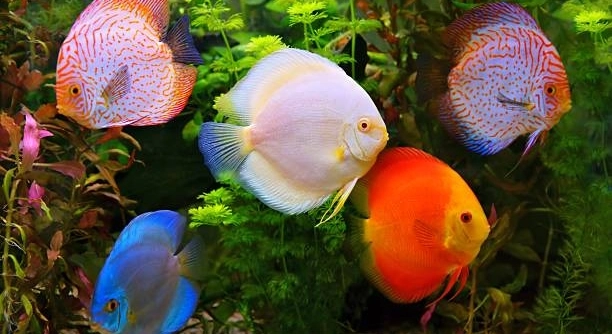
New discus owners often face challenges that can make caring for these beautiful fish confusing. From water conditions to feeding habits, many aspects require careful attention to ensure a healthy environment. Understanding these basics is essential for success.
Discus fish have specific needs that differ from many other freshwater fish species. Factors such as water temperature, pH balance, and diet must be carefully monitored. Improper care often leads to stress or illness, which is why new owners frequently encounter difficulties in maintaining optimal conditions.
Knowing the common pitfalls and solutions will help new discus owners create a better habitat. These insights can lead to healthier fish and a more enjoyable aquarium experience overall.
Water Quality Challenges
Maintaining stable water quality is one of the biggest challenges for new discus owners. These fish require warm, soft, and slightly acidic water to thrive. Sudden changes in temperature or pH can stress the fish, making them vulnerable to disease. Many beginners overlook the importance of regular water testing and partial water changes. The tank should be cycled fully before adding discus, as they are sensitive to ammonia and nitrites. Filtration needs to be efficient but gentle to avoid disturbing the fish. Frequent monitoring of water parameters helps prevent issues before they become serious. It’s also important to avoid overfeeding, which can pollute the water quickly. Understanding how to keep water clean and stable is key to raising healthy discus.
Water hardness and pH levels should be checked at least weekly to maintain a stable environment. Sudden shifts must be avoided for the discus’ well-being.
Consistent water care creates a safer and less stressful home for discus fish. Using high-quality filtration, performing regular water changes, and avoiding overcrowding all contribute to maintaining ideal water conditions. Testing kits make it easier to track water parameters, ensuring any fluctuations can be addressed immediately. This routine supports the discus’ immune system and promotes natural behavior, reducing illness risks.
Feeding and Nutrition
Discus have specific dietary needs that can confuse new owners.
Providing a balanced diet with high-quality pellets, frozen foods, and occasional live food is essential. Overfeeding or underfeeding can both cause health problems. A varied diet supports their vibrant colors and growth.
Feeding discus multiple small meals daily mimics their natural eating habits. It also helps maintain water quality by reducing leftover food. Selecting foods rich in protein and vitamins supports their immune system and helps them adapt to captivity. Avoid feeding just one type of food, as this can lead to deficiencies. Monitoring their eating patterns helps catch early signs of stress or illness. Proper nutrition plays a major role in keeping discus healthy and active.
Tank Setup and Size
Discus require spacious tanks with plenty of swimming room. A minimum of 50 gallons is recommended for a small group.
Proper tank size helps reduce stress and aggression among discus. They thrive best in groups of at least five, which means the tank must accommodate their social behavior. Overcrowding causes water quality issues and can lead to illness. The tank should also include hiding spots using plants or decorations to create a secure environment. Smooth substrate and gentle filtration further support their comfort. Proper tank setup is crucial for the fish’s overall health and well-being.
Ensuring the tank size matches the number of discus and provides an environment similar to their natural habitat allows them to grow and behave naturally. Avoiding cramped spaces reduces territorial disputes and helps maintain clean water. Regular tank maintenance complements a good setup, making discus care manageable and enjoyable.
Acclimating New Discus
Acclimation is a critical step that new owners sometimes overlook.
Slowly introducing discus to their new tank helps minimize stress and shock. Using a drip acclimation method or floating the bag for an extended period balances water temperature and chemistry. Rapid changes in water parameters can weaken their immune system, making them susceptible to diseases. Patience during this phase ensures the fish adjust well to their surroundings.
Proper acclimation improves survival rates and sets the stage for healthy growth. It also helps discus adapt to their new environment without sudden behavioral changes. Skipping or rushing this process often results in unnecessary losses. Taking time with acclimation shows respect for the fish’s delicate nature and enhances long-term success.
Common Diseases
Discus are prone to several diseases if water quality or nutrition is poor. Identifying symptoms early is important.
Ich, fin rot, and parasites are some common issues. Stress from poor conditions often triggers outbreaks. Regular observation helps catch problems before they worsen.
Stress Factors
Discus are sensitive to noise, sudden movements, and inconsistent tank conditions. Stress weakens their immune system and increases vulnerability to illness. Keeping the tank in a quiet area, avoiding sudden changes, and maintaining stable water parameters helps reduce stress.
Breeding Basics
Successful breeding requires stable water conditions, good nutrition, and a peaceful environment. Discus pairs often form naturally in larger groups, and removing fry to a separate tank improves survival rates.
Behavior Patterns
Discus are social and peaceful but may show territorial behavior during breeding. Recognizing their normal behavior helps detect health or stress issues early.
What water temperature is best for discus fish?
Discus fish do best in water temperatures between 82°F and 86°F (28°C to 30°C). Keeping the temperature steady within this range is important, as sudden drops or spikes can stress them. A reliable heater and thermometer help maintain stable warmth, which supports their metabolism and immune health.
How often should I change the water in my discus tank?
Regular water changes are essential to keep discus healthy. Aim for changing 25% to 50% of the water weekly, depending on tank size and stocking levels. Frequent water changes remove toxins, reduce nitrates, and keep the water clean. Using dechlorinated water that matches the tank’s temperature helps prevent shock.
Can discus live with other fish species?
Discus can live with peaceful, slow-moving fish that thrive in similar water conditions. Suitable tank mates include cardinal tetras, rummy-nose tetras, and some dwarf cichlids. Avoid aggressive or fast species that may stress discus or compete for food. Compatibility helps reduce stress and aggression.
What is the best diet for discus fish?
A varied diet is important for discus health. High-quality pellets designed for discus provide balanced nutrition. Supplement with frozen or live foods such as bloodworms, brine shrimp, and beef heart. Feeding small amounts multiple times daily prevents overfeeding and maintains water quality.
Why do discus sometimes refuse to eat?
Discus may stop eating due to stress, poor water conditions, or illness. Changes in environment, temperature fluctuations, or aggressive tank mates can cause appetite loss. Checking water quality, ensuring proper acclimation, and observing for disease symptoms help identify the cause.
How can I tell if my discus is sick?
Signs of illness include faded colors, clamped fins, lethargy, rapid breathing, or unusual swimming. White spots or fin damage also indicate health problems. Early detection allows for prompt treatment, increasing chances of recovery. Regular observation is key.
Is it necessary to quarantine new discus before adding them to my tank?
Quarantining new discus is highly recommended. It helps prevent introducing diseases or parasites into the main tank. A quarantine period of at least two weeks allows monitoring for illness and safe treatment if needed. This protects existing fish and maintains a healthy environment.
How long do discus fish typically live?
With proper care, discus fish can live between 10 and 15 years. Maintaining stable water conditions, a balanced diet, and a stress-free environment extends their lifespan. Good care from the start helps them grow strong and stay healthy.
What size tank is suitable for a discus group?
A group of five discus needs a minimum of 50 gallons to swim comfortably. Larger tanks allow better water quality and reduce aggression. Providing enough space for social behavior and hiding places contributes to their well-being and natural activity.
Why is my discus hiding a lot?
Discus often hide when stressed, sick, or adjusting to new surroundings. Poor water quality, aggressive tank mates, or sudden changes can cause hiding. Ensuring a peaceful environment, stable water parameters, and proper acclimation helps reduce hiding behavior and promotes comfort.
How can I reduce stress for my discus?
Stress reduction involves stable water conditions, a quiet tank location, gentle filtration, and appropriate tank mates. Avoid sudden changes in light, temperature, or tank setup. Providing plants or decorations for shelter helps discus feel secure.
Do discus need special lighting?
Discus do not require special lighting, but moderate, consistent lighting that mimics natural day and night cycles is best. Too bright lighting may cause stress, while dim lighting supports their colors and behavior. A timer helps keep a regular light schedule.
Can discus tolerate tap water?
Tap water can be used if treated properly to remove chlorine, chloramines, and heavy metals. Testing and adjusting water parameters to suit discus needs is necessary. Using a water conditioner and checking pH and hardness before adding tap water is recommended.
How often should I feed discus?
Feeding discus two to three times daily in small amounts supports their digestion and prevents water pollution. Observing how much they eat within a few minutes avoids overfeeding. Consistent feeding routines help maintain their health.
Why do discus sometimes change color?
Color changes can result from stress, illness, water quality, or mood. Fading colors may indicate poor health or discomfort. Bright, vibrant colors usually mean the fish is healthy and comfortable. Monitoring water conditions and behavior helps identify causes.
Is it necessary to remove discus fry from the parents?
Removing fry can improve survival chances, as parents sometimes eat their young or compete for food. Raising fry in a separate tank allows controlled feeding and safer growth conditions. However, some breeders keep fry with parents under close supervision.
How do I clean a discus tank without stressing the fish?
Cleaning should be gentle and done regularly to avoid disturbing discus. Partial water changes, siphoning debris, and careful filter maintenance keep the tank clean. Using quiet equipment and avoiding sudden movements reduces stress during cleaning.
What is the best way to introduce new discus to an established tank?
Acclimate new discus slowly using drip or float methods to balance water parameters. Introduce them during low-activity times and monitor for signs of stress or aggression. Quarantine beforehand reduces disease risks and improves integration.
Why are discus sensitive to water changes?
Discus prefer stable water with minimal fluctuations. Rapid changes in temperature, pH, or hardness can cause stress and illness. Performing partial, gradual water changes helps maintain balance and protects their delicate systems.
How can I tell if discus are breeding?
Breeding discus pair off and become more territorial. They clean a flat surface and lay eggs there. Parents guard the eggs and later the fry, which may cling to their bodies for protection. Observing these behaviors signals breeding activity.
Taking care of discus fish can seem challenging at first, especially for new owners. Their specific needs require attention to water quality, diet, and tank setup. These fish are sensitive to changes in their environment, which means careful monitoring is necessary to keep them healthy. While they may require more effort than some other fish species, the rewards of seeing discus thrive and display their natural beauty make it worthwhile. A stable and clean tank environment combined with a proper diet creates the foundation for successful discus care.
Understanding common issues such as stress, disease, and feeding challenges helps reduce confusion for new discus owners. It is important to be patient during acclimation and to follow best practices for tank maintenance. Using reliable water testing methods and regular water changes ensures the discus remain in a healthy habitat. Observing their behavior daily allows early detection of any health problems. Providing appropriate tank mates and avoiding overcrowding contribute to a peaceful aquarium where discus can flourish.
With time and experience, discus care becomes more manageable and less confusing. Learning about their specific needs and maintaining consistent care routines helps improve the fish’s overall well-being. New discus owners should focus on creating a calm and stable environment to support the fish’s natural behaviors. Success comes from careful attention, patience, and ongoing learning. These efforts lead to a rewarding experience and beautiful, healthy discus fish that can be enjoyed for many years.

Hello,
If you enjoy the content that we create, please consider saying a "Thank You!" by leaving a tip.
Every little bit helps us continue crafting quality advice that supports the health, happiness, and well-being of pets around the world, for pets of all shapes, sizes, and species.
We really appreciate the kindness and support that you show us!