
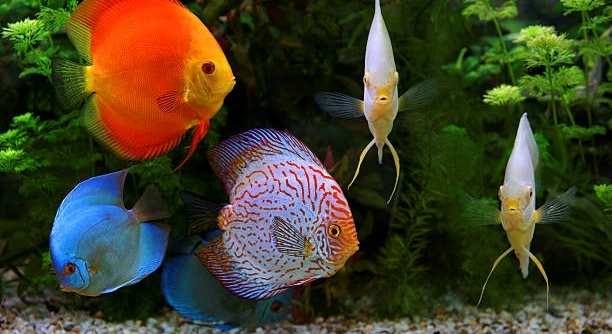
Are your discus fish looking stressed or uneasy after routine tank maintenance or feeding time? Handling them too often may be the reason behind their discomfort and behavioral changes, even when your intentions are good.
Handling discus fish should be avoided during specific situations such as illness, acclimation, spawning, or after recent feeding. These moments are sensitive and can increase stress, weaken immunity, and disrupt natural behaviors essential for their overall health and wellbeing.
Recognizing when to avoid contact helps build a healthier and calmer environment for your discus fish to thrive in peacefully and naturally.
When They’re New to the Tank
Discus fish need time to adjust after being introduced to a new environment. The first few days in a new tank are especially stressful, and any handling can make things worse. During this time, their immune systems are weaker, making them more vulnerable to illness. They may also hide, refuse to eat, or show dull colors as they adapt. It’s important to let them settle without extra interference. Avoid feeding right away or rearranging tank decorations. Let the tank remain quiet and stable. This helps reduce anxiety and allows them to become comfortable in their surroundings at their own pace.
Give them space to adjust before doing anything that might disturb them.
By avoiding contact during this period, you help your discus fish become familiar with the tank, tank mates, and daily activity patterns. Handling them too early can lead to prolonged stress or even trigger long-term health problems. Be patient and watch for signs of comfort like eating or swimming freely. A calm environment builds confidence and supports better social behavior. It also lowers the risk of aggression or injury. After about a week, if they seem relaxed and active, light tank maintenance can begin again. But it’s always best to keep direct handling to a minimum unless absolutely needed.
After They’ve Eaten
Handling discus fish right after feeding can cause digestion issues and unwanted stress.
Their bodies need calm time after a meal to process food properly. When disturbed during this phase, they may regurgitate or develop swim bladder problems. Touching or moving them disrupts their digestive rhythm and can also increase the chances of waste buildup in the water if uneaten food gets stirred. If feeding is followed by stress, some fish may start associating meals with discomfort and refuse to eat. Let them swim calmly for at least 30 minutes after eating. During this rest time, you can monitor their behavior and ensure all food is consumed. Wait before performing tank maintenance or making any changes. This habit supports healthier digestion, stronger immune systems, and more predictable feeding routines. If you need to remove uneaten food, use a siphon gently without disturbing the fish directly. Keeping feeding times peaceful helps your discus stay active and alert throughout the day.
During Illness or Recovery
When discus fish are sick or healing, they are more sensitive to stress and physical contact. Touching them can slow recovery or spread illness through the water and to other fish in the tank.
Sick discus fish often show signs like clamped fins, darkened color, or sluggish movement. At this stage, any extra stress—like handling—can weaken their already compromised immune systems. It may also worsen symptoms or lead to secondary infections. Instead, monitor them quietly and maintain ideal water conditions. Gentle water changes and stable temperature levels will support healing. If treatment is needed, such as medication, use it through the water or food—not by moving the fish. Limit tank noise and lighting while they recover. Allowing them to rest undisturbed gives their body the best chance to bounce back without added pressure or discomfort. Patience and gentle care make a real difference when they’re most vulnerable.
Recovery after illness is also a fragile time. Even when discus seem better, it’s important to avoid sudden movements or unnecessary interaction. Their internal systems need time to regain full strength, and handling can interrupt this process. Continue regular observation without direct contact. Stick to a consistent feeding schedule, and don’t overfeed to make up for missed meals during illness. Slightly elevated temperatures (if appropriate) can help speed up immune responses, but always confirm with reliable sources before adjusting anything. Any change in behavior or appetite should be noted quietly. Giving your discus fish uninterrupted recovery time will help prevent relapses and long-term stress-related issues. It’s always better to wait a bit longer before reintroducing normal routines.
During Spawning or Egg Guarding
Discus fish become territorial and highly alert during spawning. Handling them at this time can trigger aggression or cause them to abandon their eggs or fry out of stress.
When discus fish pair off and begin to spawn, they enter a protective phase. The parents will often clean a flat surface, lay eggs, and then take turns guarding them. Any disturbance can make them feel threatened, which may lead to them eating the eggs or ignoring them altogether. Even a slight touch or presence near the tank can cause alarm. It’s best to observe quietly from a distance and avoid tank maintenance for a few days. Try to keep noise and movement around the tank to a minimum. Once the fry are free-swimming, you can resume light care, but avoid moving or netting the parents unless absolutely necessary. Respecting their natural behaviors during this time leads to better breeding success and calmer adults.
Right After a Water Change
Discus fish may appear uneasy or skittish after a water change. Their environment has shifted slightly, even if the parameters are still safe. Avoid handling them during this time to let them adjust naturally and regain their sense of stability.
Their behavior may include hiding, rapid gill movement, or sudden darting. This reaction is normal and typically fades once they feel secure again. Letting them settle quietly helps lower stress levels and keeps their immune system from weakening under pressure.
When They’re Showing Signs of Stress
Stress can appear as darkened coloring, clamped fins, or erratic swimming. Handling at this point can increase the problem. Focus on stabilizing the tank environment and giving them space. Keep lights low, noise minimal, and avoid changes until they look calm again. Let them recover naturally before interacting directly.
During Tank Maintenance
When cleaning or adjusting equipment inside the tank, discus fish are already on high alert. Reaching in to touch or move them can trigger fear responses or injuries. Let them stay undisturbed while you work calmly and slowly around them.
FAQ
How often should I handle my discus fish?
Handling discus fish should be kept to a minimum. Frequent handling causes stress and weakens their immune system. Only handle them when necessary, such as during tank moves or health checks. Even then, be gentle and quick to reduce discomfort and avoid injury.
What signs show my discus fish are stressed from handling?
Stress signs include faded or darkened colors, clamped fins, rapid breathing, and hiding. They may also swim erratically or refuse food. If you notice these behaviors after handling, give them space and time to recover in a calm environment with stable water conditions.
Can handling discus fish cause disease?
Yes, improper handling can lead to injuries or open wounds that allow infections. Stress from handling also lowers immunity, making fish more vulnerable to diseases. Always use clean, wet hands or nets to avoid transferring bacteria, and minimize direct contact as much as possible.
Is it safe to net discus fish for tank cleaning?
Nets can cause stress and physical damage, especially if used roughly. Avoid netting unless absolutely necessary, such as when removing a sick or injured fish. When netting, be gentle and slow, using a soft net and wetting it first to protect their delicate slime coat.
How long should discus fish rest after feeding?
Discus fish need at least 30 minutes of calm after feeding to properly digest their food. Avoid disturbing or handling them during this time to prevent regurgitation or digestive issues. Keep the tank quiet and stable until they settle down and start swimming normally again.
Can handling disturb spawning discus fish?
Yes, discus become protective and territorial during spawning. Handling or even disturbing the tank can cause them to abandon eggs or fry. It is best to avoid contact and limit tank maintenance until the young are free-swimming and parents appear calm.
What should I do if I accidentally stress my discus while handling?
If stress happens, immediately stop handling and reduce activity around the tank. Lower the lights, minimize noise, and maintain clean, stable water conditions. Watch the fish closely for any signs of illness and give them time to recover without further disturbance.
How do I know when it’s safe to handle discus fish again?
Wait until your discus show normal behaviors: bright colors, regular swimming, and steady appetite. Avoid handling during illness, spawning, or after feeding. When the fish appear calm and healthy, gentle handling can be slowly reintroduced as needed.
Are there safer ways to check on discus fish health without handling?
Yes, regular observation is key. Watch their behavior, color, breathing, and appetite closely through the tank glass. Use tools like magnifying glasses or cameras if needed. Avoid handling unless you spot clear signs of illness or injury that require closer examination.
Can I train discus fish to tolerate handling?
Discus fish are naturally shy and sensitive. While some get used to gentle tank maintenance, they don’t usually enjoy being handled. Building trust takes time, but always prioritize minimal contact and create a calm tank environment to reduce stress during necessary interactions.
When caring for discus fish, knowing when not to handle them is just as important as knowing how to care for them properly. These fish are sensitive and can easily become stressed or injured if handled at the wrong time. Avoiding contact during critical moments like illness, spawning, or after feeding helps protect their health and wellbeing. It also supports their natural behaviors and allows them to feel safe and comfortable in their environment. Understanding these times makes a big difference in how well your discus thrive.
Discus fish rely heavily on stable conditions and low stress to stay healthy. Handling them too often or at the wrong times can cause problems like weakened immune systems, disease, and behavioral changes. Giving them space when they need it helps prevent these issues. It also means fewer interruptions to their natural routines, like feeding and breeding. By respecting their limits, you promote a calmer, healthier tank where your fish can grow and show their best colors.
Overall, being careful about when you handle your discus fish is a simple way to improve their quality of life. Patience and gentle care go a long way toward building a strong, healthy community in your aquarium. Watching them from a distance, maintaining clean water, and avoiding unnecessary disturbance create an environment where discus fish can thrive naturally. Keeping these points in mind helps ensure your discus remain happy and healthy for years to come.

Hello,
If you enjoy the content that we create, please consider saying a "Thank You!" by leaving a tip.
Every little bit helps us continue crafting quality advice that supports the health, happiness, and well-being of pets around the world, for pets of all shapes, sizes, and species.
We really appreciate the kindness and support that you show us!