
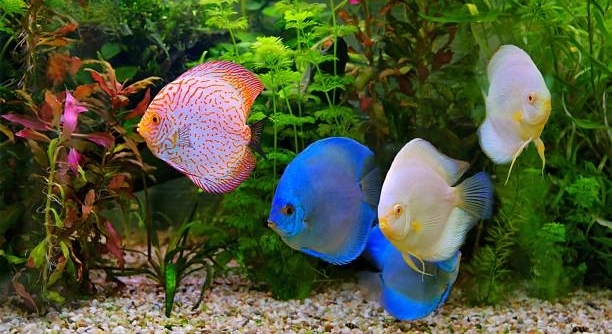
Discus fish are popular among aquarium enthusiasts for their vibrant colors and graceful movements. Feeding them properly is essential to keep them healthy and thriving. Understanding their dietary needs helps owners provide the best care possible.
Discus fish benefit from multiple small feedings per day rather than one large feeding. Frequent feeding supports their fast metabolism, improves digestion, and reduces waste buildup in the tank, which promotes overall health and water quality.
Knowing how often to feed discus can make a significant difference in their growth and well-being. The following details will help you optimize your feeding routine for these delicate fish.
Why Multiple Feedings Matter for Discus
Discus fish have a high metabolism, which means they need frequent feeding to maintain energy levels. Feeding them multiple times a day mimics their natural eating habits, helping them digest food better and absorb nutrients efficiently. Large, infrequent meals can lead to uneaten food sinking to the bottom, which may pollute the tank and cause stress to the fish. Smaller, more frequent feedings reduce this risk by encouraging the fish to eat everything offered quickly. This method also helps keep water quality stable, which is crucial for discus health. Additionally, regular feeding intervals promote consistent growth and vibrant coloration. While feeding schedules vary, many hobbyists find that offering food three to five times daily works well. It is important to monitor your discus closely to adjust feeding amounts and frequency according to their response and tank conditions.
Multiple feedings keep discus active and healthy, reducing waste buildup in their environment and supporting steady growth.
Feeding discus frequently requires more effort but offers clear benefits. It creates a stable environment by minimizing leftover food, which helps maintain cleaner water and prevents harmful ammonia spikes. Since discus are sensitive to water quality, this can reduce the risk of disease. Frequent small meals also encourage natural feeding behavior, keeping the fish engaged and less stressed. Overfeeding at once may cause digestive problems, so spreading meals evenly throughout the day supports better digestion. Balancing the right quantity and frequency ensures discus receive the nutrition they need without overloading the tank’s filtration system. Consistency and observation are key—adjust feeding based on how quickly your fish consume their food and the tank’s cleanliness. This approach helps sustain discus vitality and extends their lifespan.
Choosing the Right Food and Portions
Feeding discus the right food in proper portions is essential to support their health. Offering high-quality pellets, flakes, and frozen or live foods ensures a balanced diet. Avoid overfeeding by providing only what they can consume in a few minutes during each feeding session. Excess food leads to water contamination and health issues. Observing your discus during feeding times helps gauge the right portion size. Rotate food types to provide a variety of nutrients and prevent dietary deficiencies. This practice promotes optimal growth, strong immune systems, and vibrant colors.
Selecting suitable food with appropriate portions supports discus well-being and water quality.
Discus thrive on a varied diet that includes protein-rich options like bloodworms, brine shrimp, and specially formulated discus pellets. Protein supports muscle development and bright coloration. Including vegetable matter in their diet can aid digestion and overall health. When feeding frozen or live foods, thaw and rinse them properly to reduce contaminants. Feeding small portions multiple times a day prevents overeating and waste accumulation. It is best to remove any leftover food promptly. Portion control is especially important for young discus, as their nutritional needs differ from adults. Regular feeding with balanced nutrition ensures discus maintain steady growth and strong resistance to disease. Proper food choices combined with consistent feeding frequency create an ideal environment for discus to flourish.
Feeding Frequency and Tank Maintenance
Feeding discus multiple times a day helps keep the tank cleaner by reducing leftover food. This reduces the buildup of harmful substances and maintains water quality, which is vital for discus health and growth.
When discus are fed frequently in small amounts, they consume most of the food quickly, leaving little waste to decompose in the water. This reduces ammonia and nitrite spikes that stress fish and encourage algae growth. Maintaining good water quality is especially important for discus because they are sensitive to changes in their environment. Frequent feedings combined with regular tank cleaning improve the overall health of the aquarium. It also helps stabilize the biological filter by providing a steady source of nutrients for beneficial bacteria. Clean water results in better fish coloration, less disease, and a healthier tank ecosystem overall.
Tank maintenance routines benefit from feeding habits that limit uneaten food. Frequent small meals make cleaning easier and promote a stable, healthy environment, supporting discus longevity and vitality.
Signs of Overfeeding and How to Adjust
Overfeeding discus can cause health problems and degrade water quality. Watch for uneaten food, cloudy water, and sluggish fish as signs that feeding amounts or frequency may be too high.
If you notice leftover food after feeding sessions, it is a sign you should reduce the portions or feed less often. Overfeeding increases waste, leading to elevated ammonia and nitrite levels, which are harmful to discus. Sluggish behavior or bloating in fish can indicate digestive issues from excess food. Adjusting feeding amounts requires careful observation over several days to find the right balance. Decreasing the quantity per feeding or cutting back on the number of daily feedings can improve tank conditions and fish health. Consistency is important; once you find the proper routine, stick to it and monitor your discus regularly to avoid overfeeding problems.
Feeding Schedule Tips
A consistent feeding schedule helps discus adapt and reduces stress. Feeding at the same times daily creates a routine they recognize, encouraging healthy eating habits and steady growth.
Spacing feedings evenly throughout the day prevents overeating during any single meal. This also helps maintain water quality by minimizing excess waste and uneaten food in the tank.
Adjusting Feeding Based on Fish Behavior
Observing your discus during feeding times is essential. Active, eager fish indicate proper feeding, while lethargic or disinterested fish may need adjustments in food type or quantity. Regular monitoring allows timely changes to keep your discus healthy and thriving.
Feeding Young vs. Adult Discus
Young discus require more frequent feedings due to higher energy needs, often four to five times daily. Adult discus can be fed three times a day. Adjust portions accordingly to avoid overfeeding and maintain water quality.
The Role of Fasting Days
Incorporating fasting days once a week can aid digestion and prevent overfeeding-related issues. This practice helps maintain a healthy balance in discus metabolism and overall tank cleanliness.
How often should discus be fed daily?
Discus are best fed multiple times a day, usually three to five feedings spaced evenly. This matches their natural feeding habits and helps maintain steady energy levels. Frequent small meals improve digestion and reduce leftover food that can pollute the tank. Feeding once a day or less can cause stress and poor growth. Observing your fish will help you find the best schedule for your specific setup.
What type of food is best for discus?
Discus thrive on a varied diet that includes high-quality pellets, flakes, frozen foods like bloodworms or brine shrimp, and occasional live foods. Protein is essential for their growth and coloration, while some plant matter can aid digestion. Offering a mix ensures balanced nutrition. Avoid over-reliance on any single food to prevent deficiencies.
Can feeding too often harm discus?
Yes, feeding too frequently or offering excessive amounts can lead to poor water quality and digestive issues. Overfeeding increases waste, raising ammonia and nitrite levels, which are toxic. Signs include bloated fish, sluggishness, and leftover food. Adjusting feeding frequency and portion size based on your tank’s response prevents these problems.
Is it necessary to fast discus occasionally?
Periodic fasting, such as one day per week without feeding, can benefit discus digestion and prevent overfeeding problems. It gives their digestive system a rest and helps maintain better water conditions by reducing waste. However, fasting should not be overdone, especially with young or sick fish.
How do I know if my discus are eating enough?
Healthy discus are active and eagerly consume their food within a few minutes. Uneaten food after feeding sessions suggests overfeeding. If fish appear lethargic, lose weight, or show dull colors, they may be underfed or stressed. Regular observation and adjusting feeding amounts accordingly ensures proper nutrition.
What are common signs of overfeeding?
Common signs include leftover food in the tank, cloudy or smelly water, fish bloating, and decreased activity. Overfeeding causes excess waste, leading to harmful water conditions. Addressing this requires reducing portions or feeding less frequently, and maintaining good tank cleaning habits.
Should feeding frequency change as discus grow?
Yes, young discus need more frequent feedings—up to five times daily—to support rapid growth. Adult discus can be fed less often, typically three times per day, with larger portions per feeding. Adjusting feeding schedules as fish mature ensures they receive the right nutrients at each stage.
Does feeding multiple times per day affect tank maintenance?
Feeding multiple small meals can reduce leftover food and help maintain better water quality, but it requires diligent tank maintenance. Frequent feeding produces consistent waste levels, so regular water changes and filter cleaning remain essential to prevent buildup of toxins and maintain a healthy environment.
Can stress affect discus feeding habits?
Yes, stress from poor water conditions, overcrowding, or illness can reduce discus appetite. Stressed fish may refuse food or eat less, which affects growth and health. Keeping stable water parameters and a calm environment encourages regular feeding and overall well-being.
Is it better to feed live or frozen food?
Both live and frozen foods provide valuable nutrients. Live foods stimulate natural hunting behavior but can introduce diseases if not sourced carefully. Frozen foods are safer and convenient, retaining much of their nutritional value. A combination of both, supplemented with pellets or flakes, works best for discus health.
Feeding discus fish multiple times a day has clear benefits for their health and the overall tank environment. Frequent feedings help meet the discus’ high metabolic needs by providing a steady supply of nutrients. This supports their growth, coloration, and energy levels. Smaller meals reduce the chances of leftover food accumulating in the tank, which helps keep the water cleaner and lowers the risk of harmful ammonia spikes. Maintaining good water quality is critical since discus are sensitive fish that thrive best in stable, clean conditions.
It is important to feed the right amount during each feeding session. Overfeeding can cause digestive problems for discus and lead to waste buildup in the tank, affecting water quality. Observing the fish during feeding times helps determine if the portions are appropriate. Uneaten food should be minimal or nonexistent to prevent water pollution. Adjusting the feeding schedule and portion sizes based on the fish’s behavior and tank conditions allows owners to find the balance that works best for their discus. A consistent feeding routine also reduces stress and encourages natural feeding habits.
Finally, discus feeding should involve a varied diet to provide complete nutrition. A combination of high-quality pellets, frozen or live protein-rich foods, and some plant matter promotes optimal health. Including fasting days once in a while can improve digestion and reduce the risk of overfeeding-related issues. Regular tank maintenance, such as water changes and filter cleaning, remains essential regardless of feeding frequency. Overall, feeding discus multiple times daily, in proper amounts, and with varied food supports their well-being and helps create a healthy aquarium environment where these beautiful fish can thrive.

Hello,
If you enjoy the content that we create, please consider saying a "Thank You!" by leaving a tip.
Every little bit helps us continue crafting quality advice that supports the health, happiness, and well-being of pets around the world, for pets of all shapes, sizes, and species.
We really appreciate the kindness and support that you show us!