
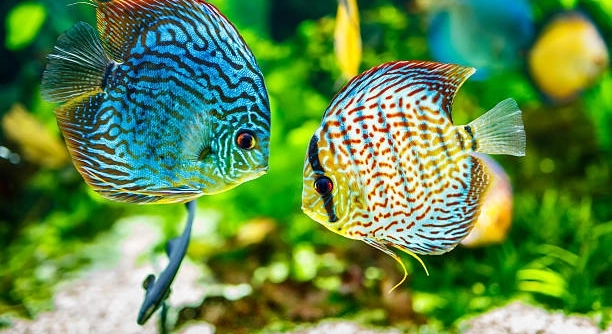
Discus fish are popular among aquarium enthusiasts, but spawning can be a challenge. Many hobbyists face failures despite careful preparation. Understanding the common issues in discus breeding helps improve the chances of successful spawning.
Several factors contribute to discus spawning failures, including water quality, tank conditions, diet, stress, and inadequate breeding setups. Addressing these issues with targeted methods can significantly reduce the likelihood of unsuccessful breeding attempts and promote healthier fry development.
Improving your approach to discus breeding can make a noticeable difference. The following methods provide practical solutions to increase your success rates with discus spawning.
Maintain Optimal Water Quality
Maintaining clean, stable water conditions is essential for discus spawning success. Discus fish are very sensitive to changes in water parameters such as pH, temperature, and hardness. Regular testing and partial water changes help keep these factors in balance. Ideal water temperature should be between 82 and 86 degrees Fahrenheit. pH levels need to stay slightly acidic to neutral, around 6.0 to 7.0. Removing waste and uneaten food prevents harmful ammonia and nitrate buildup, which can stress the fish and reduce spawning chances. Using a reliable filtration system and avoiding sudden water changes also protect the delicate breeding environment. Monitoring water quality consistently allows early detection of problems that could interrupt the spawning process. Clean water supports healthier discus fish and improves the survival rate of their eggs and fry.
Consistent water quality maintenance reduces stress on discus and promotes a more natural breeding environment for successful spawning.
Adjusting water conditions precisely can encourage discus to spawn more reliably and produce stronger offspring, improving breeding outcomes.
Provide a Balanced and Nutritious Diet
Feeding discus the right diet is critical to their reproductive health. A varied diet rich in proteins, vitamins, and minerals strengthens discus and prepares them for spawning. High-quality foods like bloodworms, brine shrimp, and specially formulated discus pellets supply essential nutrients. Supplementing with fresh vegetables and occasional live foods supports overall well-being. A poor diet weakens discus and lowers their breeding readiness. Feeding smaller portions multiple times daily encourages better digestion and reduces waste buildup in the tank. Nutritional deficiencies can result in fewer eggs or weaker fry. Consistent feeding routines also reduce stress, helping discus focus on reproduction. Ensuring discus receive adequate nutrition helps maintain their health and vitality throughout the breeding cycle.
Good nutrition directly supports discus spawning by enhancing energy levels and reproductive capabilities.
A balanced diet provides the necessary building blocks for healthy eggs and fry development, increasing spawning success.
Create a Calm Environment
Discus need a stress-free environment to spawn successfully. Loud noises, sudden movements, and overcrowding can prevent breeding.
Minimize disturbances around the tank by placing it in a quiet area away from heavy foot traffic. Keep tank decorations simple and avoid frequent rearranging. Overcrowding causes stress, so maintain appropriate stocking levels and separate aggressive fish. Stress lowers the chances of discus spawning and can cause parents to eat their eggs. A calm environment helps discus focus on mating and caring for their fry.
Providing a peaceful setting reduces stress-related spawning failures and encourages natural breeding behavior in discus fish.
Use Proper Breeding Tanks
Separate breeding tanks offer controlled conditions needed for discus to spawn successfully. These tanks should be smaller and easier to manage. A tank around 20 to 30 gallons is sufficient for a breeding pair. Use a sponge filter to provide gentle filtration without disturbing eggs. Provide flat surfaces or breeding cones for egg laying. Keep water stable and clean with regular small water changes. Avoid introducing other fish that may eat eggs or fry. Breeding tanks help maintain optimal conditions that increase spawning success and fry survival rates.
A dedicated breeding tank allows focused care, reduces stress, and improves control over water quality and feeding during spawning.
Select Healthy Breeding Pairs
Choosing strong, healthy discus improves spawning success. Look for active fish with vibrant colors and no signs of disease.
Avoid pairing fish that are too young or old. Healthy pairs are more likely to produce viable eggs and care well for their fry.
Monitor Spawning Behavior Closely
Observing discus closely during breeding helps catch problems early. Watch for signs like cleaning a spawning site and increased aggression between the pair.
Early intervention can prevent egg predation or poor parental care, improving overall spawning outcomes.
Remove Unfertilized Eggs
Removing unfertilized or fungus-infected eggs prevents contamination of healthy eggs. This step is crucial for fry survival.
Careful removal keeps the breeding site clean and reduces the risk of disease spreading.
Maintain Consistent Lighting
Stable lighting conditions support discus spawning routines. Avoid sudden changes to light duration or intensity.
Consistent lighting helps regulate their natural breeding cycle and reduces stress during spawning periods.
How can I tell if my discus are ready to spawn?
Discus ready to spawn usually show specific behaviors such as cleaning a flat surface together, like a leaf or tank glass. They may become more territorial and show signs of pairing, like swimming closely and nudging each other. Coloring often brightens during this period, signaling readiness to breed.
What is the ideal water temperature for discus spawning?
The best temperature range for discus to spawn is between 82°F and 86°F (28°C to 30°C). Consistent temperature within this range encourages mating behavior and egg laying. Sudden fluctuations should be avoided as they can stress the fish and disrupt spawning.
How often should I change water during spawning?
Partial water changes of about 20-25% every two to three days help keep water clean without stressing the fish. Frequent small changes maintain stable water parameters, which is critical during spawning and fry development.
What should I feed discus during breeding?
Feeding high-protein foods like bloodworms, brine shrimp, and quality discus pellets supports reproductive health. Offer small, frequent meals to keep their energy levels up. Avoid overfeeding to maintain water quality.
How do I prevent discus parents from eating their eggs?
Stress is a common cause of egg eating. Keeping the tank calm and minimizing disturbances helps. Removing unfertilized or fungus-infected eggs quickly can also reduce the chance of parents eating healthy eggs.
Can I breed discus with other fish in the same tank?
It is best to separate discus during spawning. Other fish can stress the pair or prey on eggs and fry. A dedicated breeding tank gives more control over conditions and protects the breeding pair.
How long does discus spawning take?
Spawning usually lasts a few hours, with eggs laid on a cleaned surface. Parents will guard and fan the eggs for about 48-60 hours until they hatch. Fry become free-swimming roughly five days after hatching.
What water parameters are most important for successful spawning?
Stable pH (6.0-7.0), temperature (82°F-86°F), and soft to moderately hard water create optimal conditions. Ammonia and nitrate levels must be kept near zero through proper filtration and regular water changes.
How do I care for discus fry after they hatch?
Initially, fry feed on mucus secreted by parents for about a week. After this, provide infusoria or finely crushed fry food. Keep water quality very high with gentle filtration and avoid strong water currents.
What signs indicate spawning failure?
Common signs include eggs turning white or fuzzy, parents ignoring eggs, or eggs disappearing. These may result from poor water conditions, stress, or disease. Early detection and correction improve future attempts.
Is it necessary to use breeding cones?
Breeding cones provide a preferred flat surface for discus to lay eggs. They mimic natural conditions and make it easier to monitor eggs. However, discus will spawn on any smooth, clean surface, such as glass or broad leaves.
How long should discus fry stay with parents?
Fry typically stay with parents for about 3 to 4 weeks. During this time, parents protect and feed them. Afterward, fry can be moved to a grow-out tank for controlled feeding and growth.
What are common causes of discus spawning failures?
Failures often stem from poor water quality, inappropriate tank conditions, inadequate nutrition, stress, or incompatible breeding pairs. Addressing these issues improves success rates. Consistent care and monitoring are crucial.
Can lighting affect discus spawning?
Yes, stable lighting schedules help regulate natural behaviors. Sudden changes or too much light can stress discus. Aim for 10-12 hours of light daily with a calm transition between light and dark periods.
How do I handle fungal infections on eggs?
Remove infected eggs promptly to prevent spread. Some breeders use antifungal treatments, but water changes and clean conditions are the best prevention. Keeping the tank clean minimizes fungal risks.
These answers cover essential concerns about discus spawning. Following proper care steps increases the chance of healthy fry and successful breeding outcomes.
Breeding discus fish can be a rewarding experience, but it requires patience and attention to detail. Successful spawning depends on creating the right environment, providing proper nutrition, and maintaining excellent water quality. Each of these factors plays a crucial role in supporting the health and breeding readiness of your discus. By carefully controlling water temperature, pH, and cleanliness, you reduce the risk of spawning failures and increase the chances of healthy eggs and fry. Paying close attention to the tank conditions and regularly testing the water ensures a stable environment for your discus throughout the breeding process.
Feeding discus a balanced diet is just as important as maintaining water quality. A varied diet rich in proteins, vitamins, and minerals helps keep the fish strong and ready to reproduce. Offering high-quality live or frozen foods alongside commercial pellets can improve their health and encourage natural spawning behavior. Additionally, creating a calm and quiet environment minimizes stress, which is often a hidden cause of spawning problems. Stress can weaken the fish’s immune system and cause parents to eat their eggs or ignore the fry. Simple steps like reducing noise around the tank and limiting the number of fish in the breeding area can make a big difference in encouraging successful breeding.
Breeding discus is not always easy, and failures can happen even with careful preparation. Understanding common issues such as poor water quality, inadequate diet, and stressful conditions allows you to make adjustments for future attempts. Using a dedicated breeding tank with proper filtration and surfaces for egg laying can improve control over the process. Removing unfertilized eggs and monitoring spawning behavior closely also contribute to better outcomes. Overall, being patient and consistent with care will help you overcome challenges and increase your success rate. With time and experience, breeding discus can become a satisfying part of keeping these beautiful fish.

Hello,
If you enjoy the content that we create, please consider saying a "Thank You!" by leaving a tip.
Every little bit helps us continue crafting quality advice that supports the health, happiness, and well-being of pets around the world, for pets of all shapes, sizes, and species.
We really appreciate the kindness and support that you show us!