
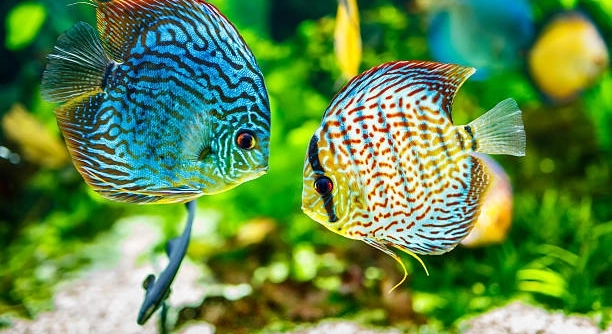
Discus fish are popular for their vibrant colors and unique shapes in home aquariums. Many owners worry about how sudden changes, like power outages, might affect their delicate aquatic pets. Understanding their needs during these times is important for their care.
Discus fish can generally tolerate short, temporary power outages without significant harm, provided the aquarium environment remains stable. Maintaining water quality, temperature, and oxygen levels during the outage is critical to minimize stress and ensure their health.
Knowing how to prepare and respond to these situations can help keep your discus safe and healthy during unexpected power interruptions. This article will guide you through essential tips and precautions.
How Power Outages Affect Discus Fish
Power outages cause a sudden stop in filtration, heating, and aeration in your aquarium. This can quickly impact the water quality and temperature, which are vital for discus health. Without filtration, waste builds up, leading to toxic ammonia and nitrite levels. The lack of aeration reduces oxygen levels, stressing the fish. Temperature changes are also risky since discus fish need stable warmth between 82°F and 86°F. Even a short drop in temperature can weaken their immune system. While a brief outage of a few hours might be manageable, longer outages increase the risks significantly. Preparing your tank to handle these changes can reduce stress and keep your discus healthier during outages.
Keeping a backup power source or battery-operated air pump is highly recommended to maintain water movement and oxygen levels during an outage. Monitoring water temperature with a thermometer helps catch sudden drops.
Proper planning helps protect your discus from harm during unexpected power failures and ensures a stable environment.
Preparing for a Temporary Power Outage
Having a backup plan is essential to reduce risks when the power goes out. A battery-powered air pump can keep oxygen flowing and water circulating. If you have a generator, it can maintain the heater and filter functions, keeping the water stable. Turning off aquarium lights during an outage can lower stress for discus fish. You should also avoid feeding them right before a predicted outage, as leftover food can worsen water quality without filtration. Keeping a thermometer nearby allows quick monitoring of temperature changes so you can act if it falls outside the safe range. Preparing water treatments like ammonia detoxifiers in advance can help if waste buildup becomes an issue. These steps reduce stress on your discus and maintain their environment when electricity is unavailable.
Signs Your Discus Are Stressed During a Power Outage
Discus fish show stress through changes in behavior and appearance. They may become less active, hide more, or lose their vibrant color. Gasping at the water surface is a common sign of low oxygen levels. Watch closely during and after an outage.
Stress weakens the immune system, making discus more prone to illness. If you notice pale coloration or clamped fins, these are signs of discomfort. Reduced appetite or erratic swimming can also indicate trouble. Prolonged stress may lead to disease outbreaks. Immediate attention to water quality and oxygen levels can help reverse these effects and support recovery.
Regularly observing your discus helps catch these signs early. Using a portable air pump or moving fish to a temporary oxygenated container can reduce stress. Maintaining stable temperature and clean water is key. Quick response during an outage ensures their health and comfort.
Managing Water Quality After Power Restoration
Once power returns, filtration resumes, but waste buildup may still affect water quality. Testing for ammonia, nitrites, and nitrates is important to avoid toxic conditions. Perform partial water changes if necessary to dilute harmful substances. Avoid overfeeding during recovery to prevent further waste accumulation.
Adding beneficial bacteria supplements can help restore the biological filter faster. Keep aeration strong to increase oxygen levels while the system stabilizes. Monitor fish closely for any delayed signs of stress or illness, and adjust care as needed. Patience is crucial because the tank’s balance takes time to return.
Preventive maintenance before outages, such as cleaning filters and testing water regularly, reduces risks. Knowing how to act afterward protects discus fish from lasting harm and supports their quick recovery. This approach keeps their habitat healthy and stress-free.
Tips for Maintaining Temperature During Outages
Keeping a stable temperature is critical for discus health. Use insulated covers to reduce heat loss and help maintain warmth during a power outage.
A battery-powered heater or heat pack can provide temporary warmth. Avoid sudden temperature changes as discus are sensitive to fluctuations.
Using Battery-Powered Air Pumps
Battery-powered air pumps are valuable during power failures. They keep water oxygenated, reducing stress for discus fish.
These pumps are portable and easy to operate, ensuring your fish get enough air until the main power returns. Regularly check batteries for readiness.
Avoid Overfeeding After an Outage
Feeding too much after an outage can worsen water quality. Offer small amounts or skip feeding until the tank stabilizes.
Discus can tolerate short fasting better than poor water conditions, so prioritize tank health during recovery.
Monitoring Your Discus Daily
Regular observation helps detect problems early. Check behavior, color, and appetite to spot stress signs quickly.
Daily monitoring supports timely care and keeps discus healthy after a power interruption.
FAQ
Can discus survive a power outage longer than a few hours?
Discus can usually handle short outages lasting a few hours if the water remains stable and oxygen is adequate. However, outages longer than 4 to 6 hours increase risks of oxygen depletion and temperature drops, which can seriously stress or harm the fish. It’s important to provide backup aeration and heating for longer outages.
What is the best way to keep oxygen levels up during a power outage?
Battery-powered air pumps are the simplest solution to maintain oxygen levels. Portable oxygen stones or aerators run on batteries help keep water circulating and oxygenated. Moving discus to a smaller container with aeration can also improve oxygen availability if the outage lasts long.
Should I feed discus during a power outage?
It’s best to avoid feeding during an outage because uneaten food can quickly degrade water quality without filtration. Discus can safely go without food for a day or two if necessary. Feeding should resume only when the tank is stable and filtration is back on.
How can I monitor water quality without electricity?
Manual test kits for ammonia, nitrite, and nitrate are helpful tools during outages. Keep these kits ready to check water parameters regularly. Maintaining good water quality is crucial, especially when the biological filter is offline.
Is it okay to use a generator for my aquarium?
Yes, a generator is an effective way to keep heaters, filters, and air pumps running during extended outages. Make sure the generator is safe to use near water and has enough fuel. Avoid sudden starts and stops, which can stress the fish.
What temperature range is safe for discus during an outage?
Discus thrive between 82°F and 86°F (28°C to 30°C). Temperatures below 78°F can weaken their immune system. Use insulated covers or heating packs to keep the temperature stable if power is lost.
How soon after power returns should I do a water change?
Perform a partial water change within 12 to 24 hours after power is restored, especially if water tests show elevated ammonia or nitrite levels. This helps remove toxins that build up during the outage.
Can stress from a power outage cause illness in discus?
Yes, stress lowers discus immune response, making them vulnerable to diseases like ich or fin rot. Minimizing stress with proper care and maintaining clean water helps prevent illness.
Are there any warning signs that discus are struggling due to an outage?
Watch for lethargy, loss of color, hiding, gasping at the surface, and reduced appetite. These signs indicate stress from poor water conditions or low oxygen and require immediate attention.
What equipment should I prepare to handle power outages?
Keep battery-operated air pumps, backup heaters or heat packs, water testing kits, and water conditioners ready. Having a generator is helpful for long outages. Regular maintenance and preparedness reduce risks significantly.
Can discus be kept in a temporary container during outages?
Yes, if the main tank is unstable, moving discus to a clean, oxygenated container with stable temperature can be lifesaving. Use portable aeration and monitor conditions carefully.
How often should I check on discus during an outage?
Check on them every hour if possible, especially during long outages. Look for signs of distress and ensure oxygen levels remain adequate. Quick intervention can prevent serious harm.
Is it better to turn off aquarium equipment during an outage or leave it on?
All powered equipment will stop working during an outage. Turn off timers and automated feeders beforehand if possible to avoid confusion when power returns. Do not attempt to restart equipment until power is stable.
What should I do if I notice ammonia spikes after the power returns?
Perform partial water changes to dilute ammonia. Adding beneficial bacteria supplements can help restart the biological filter. Avoid feeding to reduce waste buildup.
How can I reduce stress for discus during an outage?
Keep lighting low, avoid sudden movements around the tank, and maintain temperature and oxygen levels. These steps help discus stay calm and healthier during disruptions.
Is it necessary to quarantine discus after an outage?
Not usually, unless fish show signs of illness. Monitor closely for any symptoms and treat promptly if needed. Quarantine only if disease develops to protect other fish.
How long does it take for an aquarium to stabilize after a power outage?
It may take 24 to 48 hours for biological filtration and water parameters to return to normal. Continue monitoring water quality and fish behavior carefully during this period.
Can I use chemical treatments during or after a power outage?
Use water conditioners or ammonia detoxifiers as needed, but avoid unnecessary chemicals that could stress discus further. Follow product instructions carefully.
What is the best way to prepare my discus tank for winter power outages?
Insulate the tank well, have backup heating and aeration ready, and stock water conditioners. Winter outages can cause rapid temperature drops, so extra preparation is essential.
Can discus tolerate low oxygen levels temporarily?
Discus require well-oxygenated water. Low oxygen quickly stresses them and can be fatal if prolonged. Providing aeration is critical during outages to avoid oxygen deprivation.
How can I test the effectiveness of my backup equipment?
Regularly test battery-powered pumps and heaters to ensure they function properly. Replace batteries before they expire and keep equipment clean and ready for use.
Should I inform family or housemates about outage plans for the aquarium?
Yes, sharing instructions helps ensure someone checks the tank or starts backup equipment if you are unavailable. Clear communication prevents neglect during emergencies.
This FAQ covers many important points to help discus owners manage temporary power outages effectively, ensuring their fish stay safe and healthy throughout unexpected disruptions.
Discus fish are beautiful but sensitive creatures that require stable conditions to thrive. Temporary power outages can disrupt their environment by affecting filtration, heating, and oxygen levels. While short outages lasting a few hours are usually manageable, longer ones pose significant risks. Understanding how power interruptions affect discus and taking steps to prepare for them can greatly reduce stress and harm to the fish. Proper planning and quick responses during outages help maintain water quality and temperature, which are essential to discus health.
Using backup equipment like battery-powered air pumps and heaters is one of the most effective ways to protect discus during power failures. These tools keep oxygen flowing and temperature stable until the main power returns. Regularly checking batteries and equipment readiness is important so they work when needed. Additionally, keeping water testing kits and water conditioners on hand helps monitor and maintain good water quality during and after outages. Avoiding overfeeding and watching for signs of stress in discus also supports their recovery.
By preparing in advance and responding quickly to changes, discus owners can safeguard their fish through power outages. Monitoring fish behavior, maintaining stable conditions, and performing water changes after power returns are key actions. Although power outages are inconvenient, taking these practical steps reduces risks and helps discus remain healthy and comfortable. Consistent care and attention during these times contribute to the long-term well-being of discus fish in home aquariums.

Hello,
If you enjoy the content that we create, please consider saying a "Thank You!" by leaving a tip.
Every little bit helps us continue crafting quality advice that supports the health, happiness, and well-being of pets around the world, for pets of all shapes, sizes, and species.
We really appreciate the kindness and support that you show us!