
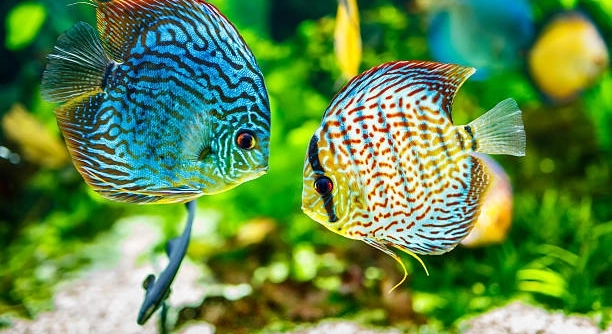
Discus fish are popular aquarium pets known for their bright colors and calm nature. Many owners notice their peaceful behavior and wonder if these fish develop bonds with each other over time. Their social interactions often spark interest among hobbyists and researchers alike.
Discus fish do not form true friendships as mammals do, but they exhibit social behaviors such as schooling and recognizing familiar tank mates. These interactions help reduce stress and establish a peaceful environment rather than deep emotional connections.
Understanding how discus fish relate to each other can improve aquarium care and enhance their well-being. Exploring their social habits offers valuable insights for anyone interested in keeping them healthy and comfortable.
Understanding Social Behavior in Discus Fish
Discus fish are known for their calm and gentle nature. In an aquarium, they tend to stay close to each other, often swimming in groups called schools. This behavior helps them feel safer and less stressed. They also recognize certain tank mates, which can lead to less aggression and more peaceful interactions. However, their social behavior is mostly about comfort and survival, not emotional bonding like humans or some mammals experience. Discus fish communicate through subtle body movements and changes in color, which helps them establish a social order within the group. They prefer stable environments where they can rely on familiar companions. When kept in proper conditions, they show less stress and healthier behavior, which benefits their overall well-being.
Disc us fish’s social habits focus on safety and stress reduction rather than forming emotional attachments.
Learning these social patterns can help you create a calm tank where discus fish thrive and interact peacefully.
Recognizing Familiar Tank Mates
Discus fish are able to recognize other fish they regularly live with. This recognition leads to reduced aggression and more stable group behavior.
When discus fish identify familiar companions, they swim closer together and display less territorial behavior. This familiarity also helps reduce stress levels because the fish feel more secure. In contrast, introducing new or unfamiliar fish can lead to tension and fighting as the discus establish dominance. Keeping a consistent group and avoiding frequent changes helps maintain harmony. These social bonds are based on recognition and habit rather than emotional connection. Observing these behaviors allows fishkeepers to manage their aquarium better by minimizing conflicts and promoting a peaceful environment.
Maintaining stable groups helps discus fish feel secure and reduces aggression, making the tank healthier for all inhabitants.
Signs of Stress and Comfort Among Discus Fish
Discus fish show clear signs when they feel stressed or comfortable in their environment. Watching these signs can help you understand their needs better.
Stress in discus fish often appears as fading colors, hiding, or erratic swimming. Comfortable discus, on the other hand, swim calmly and show vibrant colors. They eat well and interact peacefully with other fish. A clean tank with stable water conditions supports their comfort. Regular monitoring of their behavior helps catch problems early. Changes in water quality, overcrowding, or sudden disturbances can cause stress. When discus are comfortable, they often group together calmly, signaling a peaceful tank environment. Observing these behaviors allows you to adjust their care and improve their health.
Comfortable discus fish often show bright colors and relaxed movements. Stress signs include dull colors and hiding, which means tank conditions need attention.
Tank Setup and Social Interaction
Proper tank setup plays a crucial role in how discus fish interact with each other. A spacious tank with plenty of hiding spots reduces stress and encourages calm behavior.
Maintaining clean water with stable temperature and pH levels is essential. Discus prefer soft, slightly acidic water, which mimics their natural habitat. Proper filtration and regular water changes keep the environment healthy. Grouping discus in small, stable groups helps maintain social balance. Overcrowding can lead to aggression and stress. Plants and decorations provide shelter and break lines of sight, which helps reduce conflicts. Careful attention to tank conditions promotes peaceful interactions and allows discus fish to feel secure with familiar tank mates. A well-set tank supports their natural social behavior and overall well-being.
Group Dynamics and Hierarchy
Discus fish naturally form a loose social hierarchy within their groups. This helps keep order and reduces constant fighting.
Dominant fish may claim certain areas, while others accept their position to avoid conflict. This balance is important for group stability.
How Environment Affects Behavior
The environment has a strong impact on discus behavior. Poor water quality or a cramped tank increases stress and aggression. Clear water, proper temperature, and enough space encourage calm and healthy social interactions. A stable environment lets discus focus on resting and feeding rather than defending territory.
Recognizing Aggression Signs
Aggression in discus fish includes chasing, nipping, and flaring fins. Early recognition helps prevent injuries and stress in the tank.
FAQ
Do discus fish get lonely if kept alone?
Discus fish are social by nature and usually do better in groups. When kept alone, they may show signs of stress or boredom, such as hiding or reduced activity. Having at least three to five discus together helps mimic their natural environment and promotes healthier behavior. However, if space or resources are limited, it’s important to monitor their well-being closely.
Can discus fish recognize their owners?
While discus fish don’t form strong emotional bonds like mammals, they can recognize regular caretakers by movement and feeding routines. They may swim closer or become more active when their owner approaches the tank, mainly because they associate the person with food and safety. This recognition is more about habit than affection.
How can I tell if discus fish are comfortable together?
Comfortable discus swim calmly in groups, show bright colors, and eat well. They won’t chase or nip at each other frequently. Instead, they stay close but maintain some personal space. If the group seems peaceful and relaxed, it’s a good sign they are comfortable with each other.
What causes aggression in discus fish?
Aggression often arises from overcrowding, poor water quality, or introducing new fish too quickly. Stressful environments make discus more territorial and defensive. Dominance struggles can happen as they set a social order, but these are usually mild if the tank is properly managed.
How many discus fish should be kept together?
A group of at least five discus is recommended. Smaller groups can lead to increased stress and aggression because the social balance is harder to maintain. A larger group spreads out dominance struggles and helps fish feel more secure.
Do discus fish mate for life?
Discus fish form breeding pairs during mating, but these bonds are mostly for reproduction rather than lifelong companionship. After spawning, pairs may separate or continue together for some time, but their relationship is driven by instinct rather than emotional attachment.
Can discus fish live peacefully with other species?
Discus can live with peaceful, slow-moving species that share similar water requirements. Avoid aggressive or very active fish that may stress discus. Tankmates like tetras, corydoras, or peaceful dwarf cichlids often work well. Always monitor interactions to prevent stress.
How important is tank size for discus social behavior?
Tank size is very important. A small tank can cause stress and increase aggression because discus have less room to establish personal space. Larger tanks with enough swimming area allow discus to spread out and reduce conflicts. At least 50 gallons is recommended for a small group.
What should I do if my discus fish fight?
If fighting occurs, check tank conditions first—clean water, proper temperature, and space are critical. You may need to rearrange decorations or add hiding spots to reduce line-of-sight conflicts. Sometimes, separating the most aggressive fish temporarily can help restore peace.
How can I help shy discus become more confident?
Provide plenty of hiding places and keep the environment stable. Avoid sudden movements or loud noises around the tank. Feeding at regular times helps shy fish feel more secure. Over time, they may become more active and social with gentle, consistent care.
Discus fish are fascinating creatures that show interesting social behaviors, but they do not form friendships like humans or some animals do. Their interactions are mostly about feeling safe and reducing stress. When kept in a well-maintained tank with proper water conditions and a stable group, discus fish tend to swim calmly and peacefully together. This sense of security helps them stay healthy and active. Watching how they interact can teach us a lot about their needs and how to care for them better. Understanding these basic social patterns is important for anyone who wants to keep discus fish happy in an aquarium setting.
The environment plays a big role in how discus fish behave toward each other. Clean water, enough space, and a well-arranged tank with hiding spots allow them to feel comfortable. In such an environment, discus fish usually form a loose hierarchy that helps prevent fights and keep peace. Overcrowding or poor water quality can cause stress and lead to aggression. It is best to keep a small group of discus that are familiar with each other and avoid frequent changes in the tank. These steps help the fish settle into a calm routine and show more natural social behavior.
In summary, discus fish rely on social habits to reduce stress and maintain peace rather than forming emotional bonds. They recognize familiar tank mates and respond well to a stable environment. By paying attention to their behavior and tank conditions, fish owners can create a comfortable home where discus thrive. While discus don’t make friendships as humans understand them, their social nature is enough to keep them active, healthy, and less stressed. This knowledge helps ensure discus fish live well and show their best colors in captivity.

Hello,
If you enjoy the content that we create, please consider saying a "Thank You!" by leaving a tip.
Every little bit helps us continue crafting quality advice that supports the health, happiness, and well-being of pets around the world, for pets of all shapes, sizes, and species.
We really appreciate the kindness and support that you show us!