
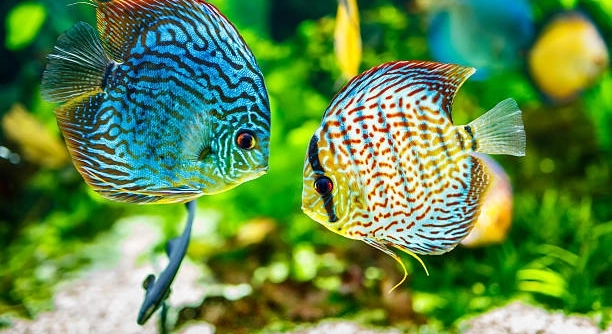
Breeding discus fish can be rewarding but sometimes challenging for hobbyists. Success often depends on creating the right environment and encouraging natural behaviors. Understanding simple techniques can make a significant difference in breeding outcomes.
Increasing breeding interest in discus involves optimizing tank conditions, diet, and social interactions. Key factors include stable water parameters, quality nutrition, and creating suitable breeding spaces that mimic their natural habitat. These elements collectively stimulate reproductive behavior.
Applying effective methods can improve your discus breeding success and help you enjoy watching their natural cycles more closely. The following tricks will provide practical steps to enhance breeding interest.
Maintain Stable Water Conditions
Keeping water conditions stable is essential for discus breeding. These fish are sensitive to changes in temperature, pH, and hardness. Sudden fluctuations can stress them and reduce breeding interest. The ideal temperature range is between 82°F and 86°F, with a pH around 6.0 to 7.0. Soft, slightly acidic water closely mimics their natural environment. Regular water changes help maintain cleanliness without causing abrupt shifts. Using a reliable heater and testing equipment allows you to monitor these parameters consistently. Avoid overcrowding the tank, as it can lead to poor water quality and stress. A well-maintained tank supports healthier discus and encourages natural behaviors, including breeding.
Stable water conditions create a healthy environment for discus, reducing stress and supporting reproductive readiness. Maintaining consistent parameters is key to success.
Discuses’ sensitivity to water changes means careful monitoring is necessary. Keeping a stable environment with soft, slightly acidic water promotes their well-being and stimulates breeding activity. Frequent small water changes ensure cleanliness while preventing shock. Temperature consistency is crucial since fluctuations can halt spawning. Overcrowding increases waste and stress, so keep the tank population balanced. Using appropriate filtration and regular maintenance helps create conditions that mimic their natural habitat. This balance encourages discus to breed naturally and thrive. Taking these steps improves their health and breeding interest significantly.
Provide High-Quality Nutrition
Feeding discus a varied and nutritious diet supports their overall health and breeding potential. A balanced diet includes high-protein foods like bloodworms, brine shrimp, and specially formulated discus pellets. Regularly offering fresh or frozen live foods mimics their natural feeding habits and encourages breeding readiness. Including vegetables like spinach or peas can supplement their diet and improve digestion. Avoid overfeeding, as excess food can degrade water quality. Feeding small portions multiple times a day ensures discus receive proper nutrition without waste. Consistent nutrition strengthens their immune system and promotes vibrant colors, both signs of healthy, ready-to-breed fish.
High-quality nutrition directly influences discus breeding success. Balanced diets improve health, energy, and reproductive behavior.
Nutrition plays a vital role in preparing discus for breeding. Providing varied foods rich in protein and vitamins supports their physical condition and stamina needed for spawning. Live or frozen foods closely replicate natural prey, stimulating natural instincts. Vegetables add fiber, aiding digestion and reducing stress. Feeding small amounts throughout the day prevents water contamination and ensures fish absorb nutrients efficiently. Healthy discus show brighter colors and active behavior, important signals for breeding readiness. Well-fed discus also have better immune defenses, lowering the chance of illness during the breeding cycle. By prioritizing a balanced diet, breeders create optimal conditions for discus reproduction and improve fry survival rates.
Create a Suitable Breeding Space
Providing a dedicated breeding area helps discus feel secure and encourages spawning. Use flat surfaces like slate or broad leaves for egg laying.
Breeding discus prefer calm, clean, and quiet spaces with minimal disturbances. Adding plants or breeding cones can offer comfortable surfaces for laying eggs. A separate breeding tank or a well-isolated section within the main tank helps reduce stress from other fish. Ensuring low lighting and gentle water flow creates an inviting environment. This space should be easy to clean to maintain water quality during breeding.
Regularly monitoring and maintaining the breeding area prevents fungus and promotes healthy egg development. Removing unfertilized eggs promptly stops water contamination. Adjusting tank setup based on behavior improves breeding success. The breeding environment plays a critical role in encouraging discus to spawn naturally and increases the survival chances of the fry.
Manage Social Dynamics
Discus fish thrive in groups but need stable social structures to breed well. Avoid overcrowding and aggressive tank mates.
Stress from aggressive or incompatible fish can inhibit breeding behaviors. Keeping discus in small groups or pairs reduces conflict and supports bonding between potential mates. Observe interactions carefully and separate aggressive individuals if needed. Allowing pairs to establish territory helps promote natural breeding rituals. Mixing discus with peaceful tank mates avoids unnecessary stress. Careful management of social dynamics ensures discus feel safe and ready to reproduce. Providing enough space and hiding spots reduces competition and tension within the tank, further improving breeding conditions.
Increase Water Temperature Gradually
Raising the water temperature slightly can stimulate discus breeding activity. Increase it slowly by about 2°F over several days.
Avoid sudden temperature changes, as discus are sensitive and can become stressed. A stable rise encourages hormonal changes linked to spawning. Monitor fish behavior and water quality carefully during this process to ensure their well-being.
Use Seasonal Changes
Mimicking seasonal water changes can trigger spawning in discus. Gradually lower and then raise the water temperature to simulate rain cycles.
Seasonal changes in water parameters signal to discus that conditions are right for breeding. This method aligns with their natural breeding triggers in the wild and can boost interest in spawning.
Perform Regular Water Changes
Regular water changes keep the tank clean and mimic natural conditions. Fresh water encourages healthier fish and stimulates breeding.
Frequent partial water changes reduce toxins and improve oxygen levels. This practice supports discus health and creates an environment conducive to reproduction.
How often should I change the water during breeding?
Water changes are important to keep the tank clean and stable. During breeding, perform small partial water changes of about 20–30% once or twice a week. Large or sudden water changes can stress discus and interrupt spawning. Use water that matches the tank’s temperature and parameters to avoid shock. Regular changes remove waste and help maintain ideal conditions for eggs and fry.
What is the best diet to prepare discus for breeding?
A high-protein diet is crucial to prepare discus for breeding. Feed them a variety of foods such as bloodworms, brine shrimp, and specialized discus pellets. Include some vegetable matter like spinach to support digestion. Avoid overfeeding to keep water quality good. Feeding small portions several times a day improves nutrition absorption and encourages readiness to spawn.
Can discus breed in a community tank?
Breeding discus in a community tank is possible but more difficult. Other fish can cause stress and disrupt the breeding pair. Aggressive or curious tank mates may eat eggs or fry. It’s best to provide a separate breeding tank or a well-isolated area within a larger tank to protect the breeding pair and their offspring.
How long does it take for discus eggs to hatch?
Discus eggs usually hatch within 48 to 60 hours after being laid. This can vary slightly based on water temperature, with warmer water speeding up development. After hatching, the fry stay attached to their parents’ bodies for a few days while absorbing yolk sacs before swimming freely.
What water parameters are ideal for breeding discus?
Ideal water parameters include a temperature of 82°F to 86°F, pH between 6.0 and 7.0, and soft water with low hardness. Stable conditions are essential; sudden changes can stress fish and stop spawning. Regular testing and gentle adjustments keep parameters within this range.
How can I tell if my discus are ready to breed?
Signs of readiness include increased color intensity, pairing behavior, and cleaning or defending a particular area. Males and females will often swim closely together and display nesting behavior by preparing flat surfaces. Healthy appetite and calm behavior are also positive signs.
What should I do if fungus grows on the eggs?
If fungus appears, remove the affected eggs carefully to prevent spread. Good water quality and proper aeration reduce fungus risks. Some breeders use mild antifungal treatments safe for discus eggs, but prevention through cleanliness is best. Keeping parents healthy also helps protect eggs.
How many fry can a discus pair produce?
A typical discus pair can produce between 100 and 300 eggs per spawning. However, not all eggs hatch or survive to adulthood. Factors such as water quality, parental care, and tank conditions affect fry survival rates. Proper care increases the number of healthy fry.
Do discus parents care for their fry?
Yes, discus parents are attentive. They clean the eggs and guard the fry closely. After hatching, fry feed on the mucus secreted by their parents’ skin for several days, which provides essential nutrients and protection. This parental care increases fry survival significantly.
Can temperature changes alone trigger spawning?
Temperature changes can help trigger spawning but usually work best combined with other factors like diet and water quality. Gradual increases or decreases mimic natural seasonal shifts and stimulate hormonal changes related to breeding. Sudden or extreme changes should be avoided to prevent stress.
Is it necessary to isolate breeding pairs?
Isolating breeding pairs is recommended to reduce stress and aggression from other fish. A quiet, dedicated space allows pairs to establish territory and complete breeding rituals. Isolation also protects eggs and fry from being eaten or disturbed by other tank inhabitants.
How long does it take for fry to become independent?
Fry usually start swimming freely and feeding independently about 5 to 7 days after hatching. They remain close to their parents for about three weeks while gradually transitioning to solid foods. During this time, they benefit from a clean, calm environment and frequent feeding with appropriate fry food.
What is the role of water hardness in discus breeding?
Soft water with low hardness is preferred because it closely resembles the discus’ natural habitat. Hard water can affect egg development and fry survival negatively. Maintaining low mineral content helps improve spawning success and keeps discus healthy throughout the breeding process.
Can I use breeding cones or other surfaces for egg laying?
Yes, breeding cones, flat stones, or broad leaves provide suitable surfaces for discus to lay eggs. These surfaces should be smooth and easy to clean. Providing multiple options allows discus to select their preferred site, encouraging natural spawning behavior.
How do I prevent overfeeding during breeding?
Feed small amounts multiple times a day and remove any uneaten food promptly. Overfeeding can degrade water quality, stressing fish and lowering breeding success. Careful portion control maintains clean water and keeps discus healthy during this sensitive time.
Breeding discus fish can be a rewarding experience when the right conditions are met. It requires careful attention to water quality, temperature, and diet to encourage natural behaviors. Providing a stable environment with clean, soft water and the proper temperature range supports the fish’s health and readiness to spawn. Regular water changes and monitoring are necessary to maintain these conditions. A well-prepared tank mimics the discus’ natural habitat, which helps reduce stress and promotes breeding interest. Understanding these basics is important for anyone looking to successfully breed discus.
Nutrition plays a vital role in the breeding process. Feeding discus a balanced diet rich in protein and vitamins prepares them physically for spawning. Including live or frozen foods like bloodworms and brine shrimp mimics their natural feeding habits and keeps them healthy. It is also important to avoid overfeeding, as excess food can lead to poor water quality, which can harm both adult fish and their offspring. Offering small portions multiple times daily helps maintain good water conditions while ensuring discus receive adequate nutrition to support their reproductive health.
Creating a dedicated breeding space and managing social dynamics within the tank are also key factors. Providing flat surfaces for egg laying and quiet, low-stress environments encourages discus to breed. Keeping pairs or small groups helps reduce aggression and supports bonding behaviors. It is often best to isolate breeding pairs to protect eggs and fry from other fish. Paying attention to these details improves the chances of successful spawning and healthy fry development. By combining stable conditions, proper nutrition, and thoughtful tank management, discus breeding can be a positive and fulfilling experience.

Hello,
If you enjoy the content that we create, please consider saying a "Thank You!" by leaving a tip.
Every little bit helps us continue crafting quality advice that supports the health, happiness, and well-being of pets around the world, for pets of all shapes, sizes, and species.
We really appreciate the kindness and support that you show us!