
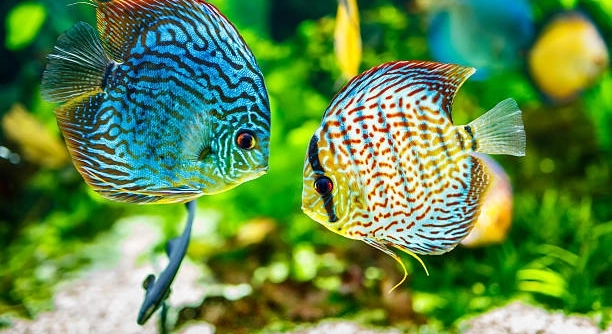
Young discus fish need careful attention when it comes to their diet. Feeding them the wrong foods can cause health problems and stunt their growth. It’s important to know which foods are too harsh for these delicate fish.
Certain foods are too harsh for young discus because they can upset their digestive system, lead to poor nutrient absorption, and increase the risk of illness. Avoiding these foods helps maintain their health and promotes proper development.
Learning about these foods can help you protect your discus and create a better feeding plan for them. Understanding what to avoid is key to raising healthy fish.
Foods High in Fats and Oils
Young discus fish have sensitive digestive systems that cannot handle foods rich in fats and oils well. Feeding them items like fatty meats or oily pellets can cause digestive problems and even organ damage. These foods may lead to poor water quality, which stresses the fish further. When their environment is stressed, young discus are more prone to diseases. It is better to stick with foods specifically designed for young discus or natural options like finely chopped bloodworms. These choices provide balanced nutrition without overloading their systems. Overfeeding fatty foods can cause bloating and reduce their activity levels, affecting growth. Maintaining a clean tank and providing a proper diet will help keep your discus healthy.
Fats should be limited in a young discus diet to avoid digestive and health complications. A well-balanced, low-fat diet supports their growth and immune system.
Choosing the right food means selecting options low in fat but rich in essential nutrients. Avoid fatty treats and focus on quality pellets, frozen or live foods suitable for young discus. This approach supports strong development and helps prevent common health issues. Monitoring their response to food and tank conditions is also essential to adjust their diet as they grow.
Hard or Large Particles
Hard or large food particles are difficult for young discus to chew and digest. These fish have small mouths and delicate digestive tracts. Giving them big pellets or hard flakes can cause choking or indigestion. Even if they manage to eat these foods, they might not absorb nutrients efficiently. This can slow down growth and weaken their immune system. Soft or finely crushed foods are better suited to their needs. Crushing pellets into smaller pieces or using liquid foods can help. It’s important to observe how your fish eat and adjust food size accordingly. Properly sized food improves feeding efficiency and overall health.
Hard or large particles often cause feeding difficulties and digestive stress in young discus fish.
Feeding young discus fish food that matches their size and chewing ability is crucial. Large or tough food pieces increase the risk of choking and digestion issues. Soft, small particles ensure easy consumption and better nutrient absorption. Using specialized feeds for young discus or soft frozen foods makes feeding safer and more effective. This care in food preparation leads to healthier fish and fewer problems as they grow. Consistent monitoring helps maintain the right food size to meet their changing needs over time.
Foods with High Protein Content
High protein foods can overwhelm young discus if given in large amounts. Their small digestive systems cannot process excessive protein well. Feeding them balanced protein levels is important to avoid stress on their organs and maintain steady growth.
Too much protein can lead to rapid waste buildup in the tank, affecting water quality and fish health. Young discus need moderate protein sources such as bloodworms or specially formulated pellets. These provide enough nutrients without overloading their metabolism. Avoid feeding raw or untreated meats that may contain harmful bacteria or parasites. Carefully controlling protein intake supports their immune system and prevents digestive problems. Feeding small portions more frequently helps maintain balance and reduces the risk of digestive upset.
Protein quality matters as much as quantity. Opt for high-quality protein sources that are easy to digest. Avoid protein-heavy foods that are processed or contain fillers. A balanced diet with moderate protein keeps young discus healthy and supports their development without causing harm or stress.
Foods Containing Artificial Additives
Artificial additives like dyes and preservatives can be harmful to young discus. These chemicals may irritate their digestive tract or cause long-term health problems. Natural foods or specially made discus diets usually avoid these additives.
Additives may also affect the water quality when uneaten food decomposes. This creates a stressful environment for young discus, leading to weaker immune systems and higher disease risk. Feeding natural or additive-free foods ensures cleaner water and healthier fish. Avoid brightly colored pellets or flakes designed for general aquarium fish, as these often contain artificial coloring. Sticking to trusted brands that list natural ingredients is safer for your discus. Reducing artificial additives in their diet helps maintain their natural behavior and vitality.
Checking food labels carefully is important. Foods free from artificial additives support better digestion and reduce stress on your young discus. Prioritizing clean, natural ingredients benefits their growth and overall wellbeing.
Foods with Excessive Fiber
Too much fiber can upset young discus digestion. Their systems are not built to handle heavy fiber loads, which may lead to bloating and slowed digestion. Foods high in fiber should be avoided.
Fiber-rich vegetables or plant matter can cause discomfort if fed in large amounts. Stick to low-fiber options suited for carnivorous discus.
Frozen Foods Not Properly Thawed
Feeding frozen foods without thawing can harm young discus. Cold food shocks their system and may cause feeding refusal or digestive issues. Always thaw frozen foods completely before offering.
Proper thawing also prevents uneven temperature in the tank and ensures safe consumption. Handling frozen foods carefully protects your discus’s health and comfort.
Live Foods with Parasites or Bacteria
Live foods can carry parasites or bacteria harmful to young discus. If not sourced or treated properly, they pose a health risk. Always buy from trusted suppliers and quarantine live foods if possible.
Proper hygiene and preparation reduce disease risks and keep your discus healthy.
Foods with Excessive Starch
Starch-heavy foods are hard for young discus to digest. These foods can cause digestive distress and poor nutrient absorption, slowing growth and weakening health. Avoid starch-rich foods in their diet.
What foods should I avoid feeding my young discus?
Avoid foods that are too high in fats, hard or large particles, excessive protein, artificial additives, and excessive fiber. Also, skip frozen foods that haven’t been properly thawed and live foods that might carry parasites or bacteria. These foods can harm your discus by upsetting their digestion or causing health issues.
How do fatty foods affect young discus?
Fatty foods are difficult for young discus to digest and can cause bloating, digestive problems, and organ stress. They also contribute to poor water quality as uneaten fatty food decomposes quickly. This can increase the risk of illness and slow the growth of your fish.
Are hard pellets safe for young discus?
Hard pellets or large food particles are not ideal. Young discus have small mouths and sensitive digestive tracts, so big or tough foods can cause choking or indigestion. Crush pellets into smaller pieces or use soft foods to make feeding easier and safer.
Can high-protein foods harm young discus?
Yes, too much protein can overwhelm their digestive systems and lead to waste buildup in the tank. This harms water quality and stresses the fish. Feeding balanced amounts of moderate protein sources like bloodworms or formulated pellets supports their health better.
What risks do artificial additives pose?
Artificial dyes and preservatives may irritate the digestive system and cause long-term health issues. They can also pollute the water when food is uneaten. Using natural or additive-free foods helps keep discus healthier and their environment cleaner.
Is it okay to feed frozen foods straight from the freezer?
No, feeding frozen foods without thawing shocks young discus and may cause feeding refusal or digestive trouble. Always thaw frozen foods fully before feeding to prevent stress and digestive problems.
How can I reduce the risk of parasites from live foods?
Only buy live foods from trusted sources and quarantine them before feeding. Proper hygiene and preparation help reduce parasite and bacteria risks, protecting your discus from illness.
Why should I avoid high-fiber foods?
Young discus cannot digest high fiber well, which can cause bloating and slow digestion. It’s best to limit vegetables or plant matter high in fiber and focus on foods that suit their carnivorous nature.
Are starch-rich foods safe for young discus?
Starch is difficult for discus to digest and can cause digestive distress. Avoid foods with excessive starch to help maintain healthy digestion and good nutrient absorption.
How often should I feed young discus?
Feed small portions multiple times a day rather than one large meal. This helps prevent overloading their digestive systems and maintains better water quality by reducing uneaten food.
What signs show that a food is too harsh?
Look for bloating, slow growth, lethargy, or refusal to eat. Poor water quality and increased waste can also signal dietary issues. If you notice these signs, reassess the food you’re offering.
Can homemade foods be safe for young discus?
Homemade foods can be safe if they are balanced, finely prepared, and free from harmful additives. However, it’s important to research ingredients and avoid anything too fatty, high in fiber, or large in particle size.
What is the best way to introduce new foods?
Introduce new foods slowly and watch for any negative reactions. Mix new items with familiar foods and observe digestion and behavior carefully. This helps identify any foods that might be too harsh or cause stress.
How does food affect water quality for discus tanks?
Uneaten or poorly digested food releases waste into the water, harming water quality. Poor water stresses young discus and increases disease risk. Feeding appropriate foods and amounts helps keep water clean and fish healthy.
Are there special diets for young discus?
Yes, specialized diets designed for young discus are balanced for their nutritional needs and easier to digest. Using these helps ensure proper growth and avoids common feeding problems.
Can I feed my young discus the same food as adults?
Not always. Adult discus can handle tougher or larger foods better than young ones. Young discus need softer, smaller, and more digestible foods to avoid choking or digestive stress.
How do I know if the food quality is good?
Check ingredient lists for natural, high-quality proteins and no artificial additives. Trusted brands often focus on discus nutrition. Freshness and storage conditions also affect food quality.
What happens if I overfeed my young discus?
Overfeeding leads to poor water quality, digestive problems, and slower growth. Excess food decomposes in the tank, causing stress and disease. Feeding small amounts suited to their size helps prevent these issues.
Are there natural foods suitable for young discus?
Yes, live or frozen bloodworms, brine shrimp, and daphnia are good natural foods. These are high in protein but easier to digest than some processed foods. Always ensure they are clean and safe.
How important is variety in a young discus diet?
Variety helps provide balanced nutrition and prevents boredom. Mixing different safe foods ensures young discus get a range of nutrients necessary for healthy growth and strong immune systems.
Taking care of young discus fish means paying close attention to their diet. Feeding them the right foods helps them grow healthy and strong. Some foods are too harsh and can cause problems like digestive upset, slow growth, or even illness. Avoiding these foods is a key part of good discus care. When you know what foods to stay away from, you can make better choices for your fish and help them thrive.
Young discus have delicate digestive systems that need gentle, balanced nutrition. Foods high in fats, hard or large particles, excessive protein, artificial additives, and too much fiber can be harmful. Also, frozen foods must be fully thawed before feeding, and live foods should come from safe sources to avoid parasites. Feeding the right foods in proper amounts keeps their tanks cleaner and reduces stress on the fish. Healthy discus are more active, grow faster, and resist diseases better.
In the end, feeding young discus is about careful selection and observation. Watching how your fish respond to different foods helps you understand what works best for them. Using specialized diets and natural foods designed for young discus supports their needs. Always avoid foods that cause problems or degrade water quality. By focusing on their diet and environment, you give your young discus the best chance to grow into strong, beautiful adult fish. Taking these steps shows how important good feeding habits are for their overall wellbeing.

Hello,
If you enjoy the content that we create, please consider saying a "Thank You!" by leaving a tip.
Every little bit helps us continue crafting quality advice that supports the health, happiness, and well-being of pets around the world, for pets of all shapes, sizes, and species.
We really appreciate the kindness and support that you show us!