
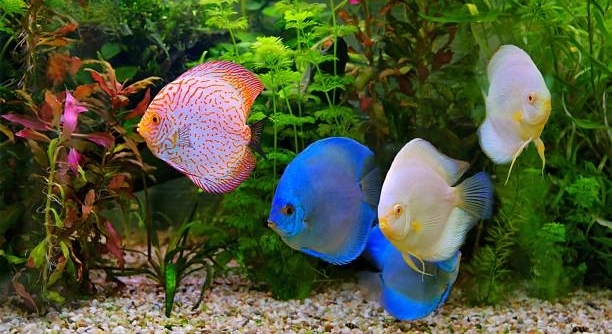
Many discus keepers enjoy creating a natural and calming environment in their tanks. Driftwood is often included to enhance the aquarium’s look and feel. It can also provide benefits that mimic the fish’s natural habitat.
Driftwood is not strictly necessary in a discus setup, but it can offer important advantages. It helps lower pH levels and softens the water, creating conditions closer to the discus’s natural environment. Additionally, driftwood provides hiding spots and reduces stress.
Knowing how driftwood impacts water quality and fish behavior can help you decide if it suits your discus tank’s needs. This article will guide you through those key points clearly.
The Role of Driftwood in Water Chemistry
Driftwood naturally releases tannins into the water, which can slightly lower the pH and soften the hardness. This change is beneficial for discus, as they thrive in softer, slightly acidic water similar to their native South American rivers. These tannins also give the water a gentle brown tint, often called “blackwater,” which many discus find comforting. Over time, the tannins can help reduce stress and boost the fish’s immune system. However, it’s important to monitor water parameters regularly because too many tannins may alter the balance. When adding driftwood, soaking or boiling it first can help remove excess tannins and prevent water from becoming overly stained. The driftwood’s physical structure also encourages beneficial bacteria growth, which improves water quality. Overall, driftwood contributes positively to the aquarium’s ecosystem but requires some care to maintain proper water chemistry.
Driftwood isn’t just decoration—it directly influences the tank’s environment and the health of your discus.
By understanding how driftwood affects water chemistry and biology, you can make informed choices about your discus tank. Knowing how to prepare and maintain driftwood ensures it supports a stable and healthy habitat for your fish.
Benefits Beyond Water Chemistry
Driftwood provides hiding places and breaks up open spaces in the tank. This helps discus feel secure, reducing their stress levels. Stress can weaken their immune systems, so a comfortable environment is key. Additionally, driftwood surfaces encourage the growth of biofilm, which discus sometimes nibble on as a natural food source. This small extra nutrition supports their diet and well-being. Using driftwood can also enhance the tank’s aesthetics, making it look more natural and pleasing without overwhelming the setup. Even if you choose not to rely on driftwood for water chemistry, its role in creating a more natural, calming habitat should not be overlooked. The presence of driftwood adds both function and beauty to a discus aquarium, supporting healthy fish behavior and a balanced environment.
Choosing the Right Driftwood for Your Discus Tank
Not all driftwood is suitable for a discus aquarium. It’s important to pick types that are safe and won’t release harmful substances into the water. Popular choices include Malaysian driftwood and Mopani wood, both known for their durability and low impact on water quality. Avoid driftwood treated with chemicals or collected from unknown sources, as these may introduce toxins or pests.
Malaysian driftwood is lightweight and slowly releases tannins, making it ideal for discus tanks. Mopani wood has a unique appearance with contrasting colors and is denser, sinking easily. Both types support beneficial bacteria growth and provide good hiding spots for your fish. Before adding any wood to your tank, it should be soaked or boiled to remove impurities and reduce tannin release.
Using the right driftwood type helps maintain water balance and creates a natural look. Proper preparation prevents unwanted changes in water chemistry and keeps your discus safe and comfortable.
Maintaining Driftwood in Your Aquarium
Driftwood requires regular care to keep it healthy and avoid water problems. Over time, pieces may develop algae or start to decompose, affecting water quality. Cleaning driftwood every few weeks by scrubbing gently with a soft brush helps control algae without damaging the wood. Avoid harsh chemicals that could harm your fish.
If the driftwood begins to decay or softens too much, it’s best to replace it. Decomposing wood can release excess organic material, leading to ammonia spikes or cloudy water. Monitoring water parameters regularly will help you spot any issues early. Maintaining driftwood properly supports a stable, healthy tank environment for your discus to thrive.
Placement Tips for Driftwood in a Discus Tank
Place driftwood where discus can easily find shelter without blocking swimming space. Avoid overcrowding the tank with too many decorations. Balanced placement helps create natural hiding spots and open areas for swimming.
Position driftwood near plants or rocks to build a more natural environment. This setup reduces stress and encourages natural behaviors.
Potential Downsides of Using Driftwood
Driftwood can slightly lower pH, which isn’t ideal if your water is already very soft or acidic. It may also release tannins that stain the water brown, which some keepers find unattractive. Too much driftwood can make water chemistry unstable.
Alternative Decorations for Discus Tanks
If you choose not to use driftwood, consider smooth river stones or ceramic caves. These provide hiding spots without altering water chemistry. Live plants also offer shelter and help improve water quality naturally.
Preparing Driftwood for Use
Always soak or boil driftwood before adding it to your tank. This removes unwanted tannins and helps prevent harmful substances from leaching into the water.
FAQ
Is driftwood necessary for discus fish to thrive?
Driftwood is not absolutely necessary for discus to survive, but it offers several benefits. It helps create a more natural environment by softening water and lowering pH slightly, which mimics their native habitat. It also provides hiding spots that reduce stress. However, discus can live well without driftwood if water conditions are properly maintained.
How do I prepare driftwood before adding it to my discus tank?
Before adding driftwood, soak it in water for several days to weeks. This helps release excess tannins that could discolor the water too much. Boiling the wood for 30 to 60 minutes can speed up this process and kill any bacteria or pests. Always rinse the wood thoroughly after soaking or boiling to remove debris.
Can driftwood affect the water quality negatively?
If not properly prepared or maintained, driftwood can release too many tannins and organic materials, leading to brown water and potential ammonia spikes as the wood decomposes. Regular cleaning and replacing deteriorated driftwood prevent water quality issues. Monitoring water parameters closely is important when using driftwood.
How often should I clean or replace driftwood in my aquarium?
Cleaning driftwood every few weeks by scrubbing gently with a soft brush helps control algae growth. Replacement depends on the wood’s condition; if it becomes soft, crumbly, or starts decomposing, it’s time to remove it. This helps keep the water clean and safe for discus.
Will driftwood change the color of my aquarium water permanently?
Driftwood releases tannins that tint the water brown, creating a “blackwater” effect. This tint is usually temporary and can be managed by soaking the wood before use or using activated carbon filters. Some keepers appreciate this natural look, but it can be reduced if unwanted.
Can all types of driftwood be used in discus tanks?
No, not all driftwood is safe. Choose untreated wood like Malaysian driftwood or Mopani wood, which are popular for discus setups. Avoid wood from unknown sources or treated with chemicals, as they can harm fish or alter water chemistry unpredictably.
Do discus fish actually use driftwood for shelter?
Yes, discus use driftwood and similar structures for shelter and resting spots. It helps them feel secure by providing places to hide and reduces stress. Providing driftwood can encourage natural behavior, especially for shy or new fish.
Is it okay to mix driftwood with live plants in a discus tank?
Yes, driftwood pairs well with live plants. Together, they create a more natural habitat and improve water quality by supporting beneficial bacteria and oxygen production. Just make sure plants chosen are compatible with discus and tank conditions.
What if my water is already soft and acidic? Should I still add driftwood?
If your water is already soft and acidic, adding driftwood may lower pH too much. In that case, monitor water chemistry carefully or consider other decorations like stones or caves. Driftwood is more useful in tanks with harder or neutral water.
Can driftwood help prevent diseases in discus fish?
Indirectly, yes. Driftwood creates a less stressful environment by providing hiding spots and improving water conditions. Lower stress means a stronger immune system, which helps discus resist diseases. However, driftwood itself does not cure or prevent illness.
How long can driftwood last in a discus aquarium?
With proper care, driftwood can last for years. Its longevity depends on type, preparation, and tank conditions. Hardwoods like Malaysian or Mopani driftwood last longer than softwoods. Regular cleaning and avoiding wood decay extend its lifespan.
Are there any risks of harmful organisms coming from driftwood?
Driftwood can harbor parasites, bacteria, or fungi if not properly treated. Boiling or soaking before adding it to the tank reduces these risks. Always inspect and prepare wood carefully to protect your discus.
Can driftwood increase maintenance in my discus tank?
Adding driftwood does require some extra care, such as monitoring water parameters and occasional cleaning to control algae or wood decay. While it adds beauty and benefits, it can increase the time spent on maintenance compared to bare tanks.
What should I do if my discus tank water turns too brown from driftwood?
If water becomes too stained, try soaking the driftwood longer or replacing it with less tannin-releasing wood. Using activated carbon in your filter can also help clear tannins. Partial water changes assist in managing discoloration while maintaining stable conditions.
Is there a way to speed up tannin release from driftwood?
Boiling driftwood is the fastest way to release tannins. Soaking alone takes longer but also works well. Both methods help prevent sudden water discoloration after adding driftwood to your tank.
Can driftwood help with breeding discus?
Driftwood creates a natural environment that may encourage breeding by reducing stress and providing hiding spaces. Some breeders notice improved behavior and spawning success when driftwood is present, though it’s not an absolute requirement. Good water quality and proper nutrition remain key factors.
Driftwood can be a helpful addition to a discus tank, but it is not absolutely necessary. Its main benefit lies in improving water conditions by softening the water and lowering pH slightly, which matches the natural environment of discus fish. The natural tannins released by driftwood can also help reduce stress in the fish by creating a more familiar and calming atmosphere. Besides water chemistry, driftwood offers physical hiding spots, giving discus places to feel secure. This can be important for their well-being, as stressed fish are more prone to illness. However, if your tank’s water is already soft and acidic, adding driftwood might not be needed or could require careful monitoring to avoid making conditions too harsh.
Using driftwood does require some preparation and maintenance. Before placing it in the aquarium, it should be soaked or boiled to remove excess tannins and kill any unwanted pests or bacteria. Once in the tank, regular cleaning is necessary to prevent algae buildup and decay, which can negatively affect water quality. Driftwood will slowly change the water color by releasing tannins, sometimes creating a brown tint that not everyone finds appealing. If this is a concern, filtration methods like activated carbon can help reduce the staining. Knowing how to care for driftwood will help maintain a stable and healthy environment for your discus fish without unwanted surprises.
In the end, whether or not to use driftwood depends on your preferences and tank conditions. Some discus keepers find it essential for replicating the natural habitat and supporting fish health, while others successfully raise discus without it by focusing on water quality and alternative decorations. Driftwood can add a natural, attractive look and benefit the tank’s ecosystem, but it does add a bit more work in terms of upkeep. Understanding the pros and cons will help you decide if driftwood fits your discus setup and how best to use it if you choose to include it.

Hello,
If you enjoy the content that we create, please consider saying a "Thank You!" by leaving a tip.
Every little bit helps us continue crafting quality advice that supports the health, happiness, and well-being of pets around the world, for pets of all shapes, sizes, and species.
We really appreciate the kindness and support that you show us!