
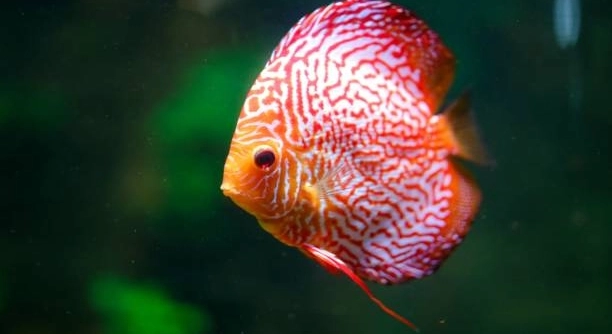
Many aquarium hobbyists enjoy creating peaceful environments for their discus fish. Choosing the right plants can enhance the tank’s look and provide natural benefits. Low-light plants are especially useful for discus setups, where lighting needs careful balance.
Low-light plants safe for discus aquariums include species like Anubias, Java fern, and Amazon sword. These plants thrive in subdued lighting and do not harm discus fish, making them ideal choices for maintaining a healthy and visually appealing aquarium environment.
Knowing which plants suit low-light discus tanks can help you create a stable, beautiful aquatic habitat. This article highlights options that combine safety and ease of care for your fish.
Anubias: A Tough and Attractive Choice
Anubias is a popular plant for discus aquariums because it grows well in low light and requires minimal care. Its broad, dark green leaves provide excellent hiding spots for fish, helping reduce stress. Anubias plants grow slowly and do not need strong lighting or fertilizers, which makes them perfect for beginner and experienced aquarists alike. This plant attaches easily to driftwood or rocks, adding natural beauty without disturbing the tank’s balance. Because it grows on surfaces rather than in substrate, Anubias helps keep the water clean. It also resists algae better than many other plants, which is helpful in low-light setups. While it doesn’t need frequent trimming, you can prune old leaves to keep the plant healthy. Overall, Anubias offers both practicality and aesthetics for discus tanks.
Anubias plants are safe for discus fish and do not release harmful substances into the water.
For discus tanks, Anubias brings a natural feel and calm atmosphere. It thrives without strong light and creates natural hiding spots, making your aquarium more comfortable for your fish. The slow growth means less maintenance, and its attachment to decorations keeps the tank tidy.
Java Fern: Easy to Maintain and Stylish
Java fern is another low-light plant well suited for discus tanks.
This plant grows well in dim lighting and attaches to rocks or driftwood, similar to Anubias. Java fern has long, slender leaves that move gently with water currents, creating a soothing effect. It requires little care and does not need fertilization or frequent trimming. Its hardy nature means it can survive in a wide range of water conditions, making it reliable for many aquarium setups. Java fern also helps improve water quality by absorbing excess nutrients, reducing algae growth. Since it does not root in the substrate, it avoids disturbing the tank bottom, which discus fish prefer to keep calm. Its unique shape adds texture and variety, breaking the monotony of broad-leaf plants. Java fern’s easy care and elegant look make it a top choice for discus aquariums, especially when lighting is limited.
Amazon Sword
Amazon sword is a classic plant for discus tanks, thriving in low to moderate light. Its large, broad leaves provide excellent cover and create a natural look that discus fish appreciate.
This plant grows from a strong root system and prefers nutrient-rich substrate. Amazon sword can grow quite large, so placing it toward the back of the tank works best to avoid crowding. It requires occasional trimming to keep leaves healthy and prevent decay. While it tolerates low light, some indirect light helps maintain vibrant leaf color. Because it grows slowly, it won’t outgrow the tank quickly, making it manageable in discus aquariums.
Amazon sword also contributes to better water quality by absorbing nitrates and other nutrients. This reduces algae growth, creating a healthier environment for discus fish. Its broad leaves give fish shade and places to rest, lowering their stress levels.
Cryptocoryne
Cryptocoryne is a low-light plant that adapts well to discus aquariums. Its medium-sized leaves come in various shapes and colors, adding diversity to the tank.
It grows well in nutrient-rich substrate but does not require strong lighting. Cryptocoryne can tolerate a range of water conditions, making it resilient in discus tanks. While it may experience “crypt melt” (losing leaves) when first introduced, it usually recovers quickly once settled. This plant grows slowly and needs occasional trimming to remove dead leaves. Its root system helps stabilize the substrate and prevent disturbance by active fish. Cryptocoryne provides natural hiding spots for discus, improving their comfort. Its ease of care and visual appeal make it a reliable choice for planted discus tanks.
Java Moss
Java moss is a versatile, low-light plant often used in discus tanks. It grows quickly and provides excellent cover for young or shy fish.
This moss attaches easily to decorations or substrate and helps improve water quality by absorbing excess nutrients.
Vallisneria
Vallisneria is a tall, grass-like plant that thrives in low light. It grows fast and helps oxygenate the water. Its long, ribbon-shaped leaves create a natural backdrop, giving discus fish places to hide. Vallisneria spreads through runners, filling in empty spaces without much effort. This plant requires minimal care and can handle a wide range of water conditions. Its fast growth helps control algae by using available nutrients. In discus tanks, Vallisneria adds height and movement, making the environment feel more natural and calming for the fish.
Bucephalandra
Bucephalandra is a slow-growing, low-light plant that attaches well to rocks and driftwood. It adds unique textures with its small, thick leaves.
FAQ
What makes a plant safe for discus aquariums?
Plants safe for discus tanks must not release harmful chemicals or toxins into the water. They should tolerate the tank’s water conditions, such as soft, slightly acidic water, and low to moderate light. These plants should also grow slowly or steadily to avoid sudden changes in water quality. Non-aggressive root systems are preferred, so they do not disturb discus fish, which are sensitive to their environment. Finally, the plant should not attract pests or encourage harmful algae that could stress the fish.
How do low-light plants benefit discus fish?
Low-light plants create a calm and natural environment for discus fish, which prefer dimmer light conditions. They provide hiding spots and resting areas, helping reduce stress and aggression. These plants also improve water quality by absorbing excess nutrients and reducing algae growth. Additionally, low-light plants require less energy and equipment to maintain, making them easier for discus tank owners to care for. The overall result is a healthier, more stable aquarium environment that supports discus fish well-being.
Can low-light plants survive without fertilization?
Many low-light plants can survive with minimal or no fertilization, especially those adapted to nutrient-poor environments. Plants like Anubias and Java fern absorb nutrients mostly through their leaves and do not rely heavily on substrate fertilizers. However, some plants such as Amazon sword or Cryptocoryne benefit from occasional root fertilization to grow well. It is important to avoid over-fertilizing, as excess nutrients can promote algae growth. Regular water changes and a balanced feeding routine for fish usually provide enough nutrients for these plants to thrive.
How do I prevent algae growth with low-light plants?
To control algae, avoid excessive lighting and overfeeding, which contribute to nutrient buildup. Low-light plants help by absorbing nutrients that algae need to grow. Keeping a stable tank environment with proper filtration and regular water changes reduces algae chances. Introducing algae-eating species, such as certain shrimp or snails, can also help. Cleaning the tank decorations and removing dead plant matter prevents algae from spreading. Maintaining a balanced ecosystem between fish, plants, and microorganisms is the best way to keep algae under control.
Is trimming necessary for low-light plants?
Trimming low-light plants is generally less frequent than for high-light plants because their growth rate is slower. However, occasional trimming helps maintain plant health by removing dead or decaying leaves, which can pollute the water. Trimming also encourages new growth and prevents overcrowding, ensuring good water flow and light penetration. Some plants, like Amazon sword or Cryptocoryne, benefit from regular pruning to keep their shape. It is best to trim gently and avoid removing too much at once, as this can stress both plants and fish.
Can low-light plants survive in a discus tank without CO2 injection?
Yes, many low-light plants can thrive without CO2 injection, which suits discus tanks well. These plants have adapted to lower carbon dioxide levels and slower growth, meaning they do not rely on CO2 supplementation. Plants like Anubias, Java fern, and Java moss grow steadily without added CO2. This makes maintenance easier and reduces costs for discus keepers. Still, providing good lighting and nutrients through fish waste and occasional fertilization helps plants stay healthy even without CO2.
How do I attach plants like Anubias or Java fern to decorations?
To attach these plants, gently tie the roots or rhizomes to driftwood or rocks using fishing line, cotton thread, or plant-safe glue. Avoid burying the rhizome in the substrate, as this can cause rot. Over time, the plant will naturally attach itself to the surface. Make sure the plant is secure but not tightly bound, allowing it to grow freely. This method keeps the substrate clear for discus fish and helps maintain a natural look. Attaching plants also prevents them from floating away during water changes or when fish move around.
What water conditions are best for these low-light plants in discus tanks?
Low-light plants in discus tanks prefer soft, slightly acidic to neutral water with temperatures between 78–86°F (25–30°C). Stable pH and low hardness levels help discus fish and plants thrive. Good water circulation and oxygenation support healthy root growth and leaf function. Regular water changes keep nutrient levels balanced and reduce waste buildup. Avoid sudden changes in temperature or water chemistry, as this can stress both plants and discus fish. Maintaining a consistent, clean environment encourages plant health and vibrant aquarium life.
Can low-light plants help with discus fish breeding?
Yes, low-light plants provide ideal hiding spots and protection for discus fry and breeding pairs. The plants’ leaves offer surfaces for discus to lay eggs or shelter their young from tankmates. Their dense foliage reduces stress by mimicking natural habitats, which can encourage discus to breed. Additionally, plants help maintain water quality by absorbing waste, supporting healthier breeding conditions. Choosing slow-growing, safe plants ensures the tank remains stable during the sensitive breeding period without disrupting the fish or water chemistry.
Are there any risks in adding plants to discus tanks?
Adding plants can sometimes introduce pests like snails or unwanted algae if not properly cleaned before planting. Some fast-growing plants might alter water parameters if decaying quickly. Overcrowding the tank with plants can reduce swimming space and limit water flow, stressing discus fish. It’s important to choose compatible species and maintain regular tank care. Removing dead leaves and monitoring plant health prevents water quality issues. When managed carefully, plants are a positive addition that supports discus health and tank balance.
Choosing the right plants for your discus aquarium is important for creating a healthy and comfortable environment. Low-light plants are often the best option because they match the natural needs of discus fish. These plants do not require strong lighting, which can stress the fish or encourage unwanted algae growth. By selecting species like Anubias, Java fern, and Amazon sword, you provide a calm space that supports your discus fish’s well-being. These plants grow slowly and steadily, which helps keep the tank stable without constant maintenance. When your aquarium has the right balance of plants and fish, it becomes easier to maintain good water quality and a peaceful atmosphere.
Low-light plants also play a big role in improving water conditions inside the tank. They absorb excess nutrients, which helps prevent algae problems that can harm both plants and fish. Healthy plants create oxygen during the day, contributing to better water quality for your discus fish. The natural hiding spots and shaded areas formed by these plants lower stress levels and encourage natural behavior. This is especially helpful for discus fish because they are sensitive to changes in their environment. Using slow-growing plants that do not root deeply into the substrate also keeps the tank floor tidy and safe for the fish.
Keeping a discus aquarium with low-light plants requires some patience, but the results are rewarding. It’s important to monitor your plants and fish regularly, trimming dead leaves and watching for signs of decay or disease. Avoid overfeeding or using too many fertilizers, as these can upset the tank’s balance. By sticking to simple care routines and choosing the right plants, you make your discus aquarium a beautiful, healthy space. This not only supports your fish’s health but also creates a relaxing and natural environment that you can enjoy watching every day.

Hello,
If you enjoy the content that we create, please consider saying a "Thank You!" by leaving a tip.
Every little bit helps us continue crafting quality advice that supports the health, happiness, and well-being of pets around the world, for pets of all shapes, sizes, and species.
We really appreciate the kindness and support that you show us!