
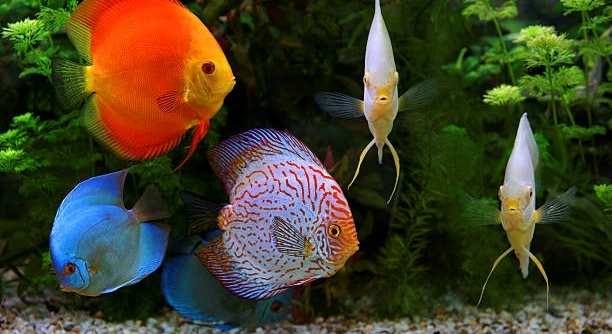
Are your discus fish ignoring new food, leaving you worried and unsure about how to help them eat better each day?
The best way to train discus to accept new food is by introducing changes gradually while maintaining consistent feeding times. A mix of patience, proper technique, and food variety encourages acceptance and reduces stress.
Learning the right methods can improve their health, reduce waste, and create a more balanced diet for your discus over time.
Start with Small Portions of New Food
When introducing new food to discus, begin by offering only a small portion mixed with their usual diet. This makes the change less noticeable and helps prevent sudden refusal. Discus can be very particular, so it’s best to avoid overwhelming them with something unfamiliar. Stick with soft textures and mild scents first. Avoid offering dry or flaky food right away, as this can lead to rejection. Frozen or fresh foods like bloodworms or brine shrimp are usually better accepted. Keep the environment calm, and feed at the same time each day. This consistency helps them feel secure and more likely to try new food.
Stay patient and don’t expect results overnight. Some discus take days to accept new food.
Over time, gradually increase the portion of the new food while reducing the old one. This slow shift makes the change feel natural to them and builds trust with what you’re offering. Monitor their behavior and avoid adding too many changes at once. If they stop eating entirely, take a step back and wait a day before trying again. Maintaining a clean tank and removing uneaten food quickly will also help prevent stress. As they get used to the new option, they’ll become more comfortable accepting different types of food.
Use a Feeding Schedule
Feeding your discus at the same times each day builds routine and reduces stress.
Discus thrive on consistency. By feeding them at set times, they begin to expect food and become more willing to try what’s given. Sudden changes in schedule can lead to confusion and refusal to eat. Use quiet periods of the day when tank activity is low, and avoid feeding right after cleaning or tank adjustments. A stable environment encourages better eating habits.
Feed small amounts two to three times a day. This helps keep their digestive system healthy and reduces leftover food in the tank. Offer familiar food first, then introduce the new food within the same feeding session. Gradually increase the new food over several days. Stick with this pattern for a week or more before changing it again. Keeping a notebook or using a feeding app can help track what works best. If they start accepting new food consistently, continue the same schedule to maintain progress.
Offer Familiar Food Alongside New Options
Start by mixing the new food with something your discus already enjoys. This makes the transition smoother and helps them feel more comfortable during feeding. Always introduce small amounts so they don’t feel forced to eat something unfamiliar.
When you blend new food with familiar options, discus are more likely to try it without stress. Begin with a higher portion of their usual food, adding just a small amount of the new type. Over several days, shift the balance slowly until the new food becomes more familiar. Keep an eye on their behavior to make sure they’re not avoiding the mix altogether. Remove leftovers promptly to keep the tank clean. Consistency matters here—if the mixture stays the same for a few days, they may start nibbling without hesitation. This gradual exposure helps them adjust without overwhelming their feeding habits.
You can also try soaking the new food in tank water with a bit of their old food to blend the scents. This mild trick often works well with discus, who rely heavily on scent and movement when feeding. Keep sessions quiet and avoid distractions. Avoid offering too many types of food at once—stick with one new option at a time. Rushing the process can lead to setbacks, so keep the routine steady and calm.
Try Using Live or Moving Food
Discus often respond well to food that moves in the water. This triggers their natural feeding instincts and encourages them to eat. Live or frozen options like bloodworms or daphnia can be more appealing than still or dry food.
If your discus seem uninterested in pellets or flakes, try introducing live or moving food during feeding time. Many discus are more reactive to food that drifts, wriggles, or floats gently. It mimics the way food appears in their natural habitat. This can make the new food more exciting and less intimidating. Start with small feedings to avoid leftovers and keep the water clean. You can also use feeding cones or slow-release feeders to control how quickly the food spreads in the tank. Live food should be clean and safe, so always buy from trusted sources. Keep your routine steady and feed them at the same times to reduce stress while they adjust.
Soak Dry Food Before Feeding
Soaking dry food in tank water for a few minutes softens the texture and makes it easier for discus to eat. This also helps release scent, which can make the food more appealing and less foreign to them.
Use a small container to soak only the amount you plan to feed. This prevents waste and keeps the tank cleaner. Discard any uneaten soaked food after ten minutes to avoid water quality issues. Over time, your discus may begin accepting the softened food more regularly.
Reduce Tank Stress Factors
Keep the tank quiet, with steady lighting and clean water. Avoid sudden movements or changes in temperature around feeding times. Discus eat better when they feel safe and secure. Stress can quickly cause them to reject even familiar food, so keeping their space calm is important.
Watch Their Behavior Closely
Noticing which food they approach or ignore helps you adjust your feeding plan. Small reactions, like following the food or lightly tasting it, are signs of progress.
FAQ
How long does it usually take for discus to accept a new food?
It depends on the fish and the food being introduced. Some discus accept new food in just a few days, while others may take a couple of weeks. Patience and consistency are key. If you try to rush the process or offer too many changes at once, they may stop eating altogether. Stick with small amounts of new food, offered at the same time each day. Once they become more comfortable, you can slowly increase the new food portion while reducing the old one.
What type of new food is best to try first?
Start with soft, moist options like frozen bloodworms or brine shrimp. These are generally well-accepted and gentle on their digestive system. Once they’re eating comfortably, you can introduce high-quality pellets or flakes. Avoid food with strong smells or strange textures at the beginning. If you want to try dry food, soak it before feeding. Make sure the food you choose is specifically made for discus or tropical fish with similar dietary needs.
What should I do if my discus refuses all food?
Stop offering food for 24 hours, then try again with something they’re familiar with. A short fast won’t harm them and may help reset their feeding behavior. Check the water parameters to make sure the tank conditions are stable. Poor water quality can lead to loss of appetite. Also, check for signs of illness or stress. If the issue continues for more than a few days, it might be worth contacting a vet or fish care expert.
Can I feed discus the same food every day?
It’s better to offer variety. Feeding the same food daily may meet their basic needs, but it won’t support long-term health. Rotate between a few safe options like high-quality pellets, frozen foods, and the occasional live treat. This keeps their diet balanced and helps them stay open to trying new food later on. Keep the variety simple and consistent—don’t change everything at once or feed them things they’ve never seen before without proper preparation.
Why does my discus spit out new food?
Spitting is often part of the tasting process. They may be testing the food’s texture or flavor before deciding whether to eat it. It doesn’t always mean rejection. If they keep tasting it, that’s a good sign. Keep offering small amounts regularly. Make sure the food is soft and not too large. Soaking dry pellets before feeding can help with this. Over time, they may accept it more readily.
Should I feed new food in the morning or evening?
Choose a calm time when the tank environment is steady. Morning and early evening usually work best. Avoid feeding right after tank cleaning or water changes. If your discus seem more active during a certain part of the day, offer new food then. A consistent feeding schedule helps them feel secure and improves their eating habits.
Is it okay to skip a feeding if they don’t accept the new food?
Yes, it’s perfectly fine to skip a feeding if they refuse the new food. Skipping a meal can actually encourage them to try it next time. Just make sure they’re not skipping meals for several days in a row. Observe them closely and offer only small portions until they begin to accept it.
Can tank mates affect how discus eat?
Yes, aggressive or fast-eating tank mates can cause stress during feeding time. If other fish are eating all the food quickly or bullying your discus, they may feel unsafe and ignore the food. Try feeding in separate areas of the tank or using a divider during feeding. Make sure each discus has enough time and space to eat peacefully.
How do I know if the new food is working?
If your discus starts showing more interest in the new food—following it, nibbling, or even just holding it in their mouth—that’s progress. Their color, energy, and behavior will also improve as they begin to eat better. Keep notes if needed to track which foods they respond to most.
Final Thoughts
Training discus to accept new food takes time, patience, and consistency. These fish can be sensitive and slow to accept changes, especially when it comes to their diet. By starting with small amounts and mixing the new food with what they already know, you make the change feel less sudden. Keeping a regular feeding schedule also helps them feel secure and more open to trying new things. When the tank environment is calm and stable, discus are more likely to show interest in unfamiliar food. Avoid rushing the process, and allow your fish to adjust at their own pace.
Watching their behavior during feeding time can tell you a lot. If they begin to follow the food, nibble, or show curiosity, that’s a good sign. Even if they spit it out at first, it doesn’t mean they will reject it forever. They might just need more time to get used to the taste or texture. Softening dry food, offering live or frozen food, and feeding during quiet parts of the day can all make a difference. It’s also important to avoid offering too many new things at once. Keeping the process simple and steady helps reduce stress and build trust over time.
Offering a balanced diet is important for your discus’ health, color, and activity level. Once they begin accepting the new food, keep it in rotation along with other safe options. A varied diet gives them the nutrients they need and keeps them interested in feeding. Remember to remove uneaten food and keep the tank clean to prevent problems. If your discus stop eating completely or show signs of illness, take a step back and check their environment. But in most cases, with the right approach and a little patience, they’ll come around. Each fish is different, but calm feeding habits and a gentle routine often lead to long-term success.

Hello,
If you enjoy the content that we create, please consider saying a "Thank You!" by leaving a tip.
Every little bit helps us continue crafting quality advice that supports the health, happiness, and well-being of pets around the world, for pets of all shapes, sizes, and species.
We really appreciate the kindness and support that you show us!