
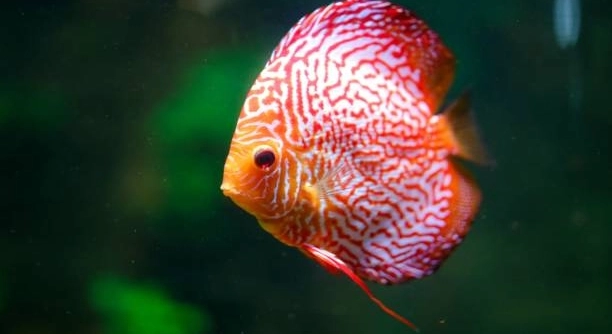
White slime on discus skin is a common concern for many aquarium enthusiasts. This unusual coating can affect the appearance and health of these beautiful fish. Understanding its causes is important for maintaining a healthy tank environment.
White slime on discus skin is typically caused by a combination of bacterial infections, poor water quality, parasitic infestations, stress, improper diet, inadequate tank conditions, and physical injury. Each factor can contribute to the formation of this mucus-like substance as a defense mechanism or symptom.
Identifying the root cause of white slime helps in treating the condition effectively and protecting your discus fish from further complications.
Bacterial Infections and White Slime Formation
Bacterial infections are one of the primary reasons discus fish develop white slime on their skin. These infections often arise when the fish’s immune system is weakened, making it harder for them to fight off harmful bacteria in the water. Poor water quality, such as high ammonia or nitrite levels, creates an environment where bacteria can multiply quickly. When discus fish are exposed to these conditions, their skin may produce excess mucus as a protective barrier. This mucus appears as white slime, which can sometimes cover large areas of their body. If left untreated, bacterial infections can cause more serious health problems, including ulcers or fin rot. Regular water testing and maintaining proper tank hygiene are essential steps to prevent infections. Observing your fish closely for early signs of illness helps catch infections before they worsen. Proper quarantine of new fish also reduces the risk of introducing bacteria into the tank.
White slime from bacterial infections usually appears cloudy or milky and may have a slightly unpleasant smell. Immediate action improves recovery chances.
Keeping the tank clean and stable with consistent water changes helps reduce bacteria levels. Adding antibacterial treatments under guidance supports healing. Strengthening your discus’s immune system with a balanced diet is equally important for resistance against infections.
Poor Water Quality Impact
Poor water quality can directly trigger the production of white slime on discus fish. Factors such as unbalanced pH, excessive waste, and inadequate filtration stress the fish and irritate their skin. This irritation leads to increased mucus production as a defense. Maintaining clean water is vital because discus are sensitive to changes in their environment.
Water with high levels of toxins like ammonia and nitrite causes stress and skin damage, resulting in slime. Frequent partial water changes help keep these toxins low. Testing water regularly allows early detection of harmful shifts. Using a reliable filtration system ensures waste is efficiently removed. Avoid overfeeding to reduce organic waste buildup. Introducing live plants can also improve water quality by absorbing nitrates. Monitoring temperature and pH within recommended ranges prevents additional stress. Combining these efforts protects your discus from skin irritation and limits slime formation.
By prioritizing water quality, you create a healthier habitat for discus fish. This reduces their need to produce excess mucus and helps keep their skin clear and vibrant. A well-maintained tank reduces the risk of infections and supports overall fish health, creating a more enjoyable aquarium experience.
Parasitic Infestations
Parasites on discus fish can cause white slime as the skin reacts to irritation. Common parasites include protozoans and flukes that attach to or burrow into the skin.
Parasites damage the skin’s surface, triggering an overproduction of mucus to protect the affected areas. This slime acts as a barrier to slow the parasites but also signals discomfort. Parasites thrive in tanks with poor water conditions or overcrowding. Regular monitoring and quarantine of new fish reduce infestations. Treatment with anti-parasitic medications is often necessary to eliminate the problem and restore skin health.
Infected discus may also show other signs like flashing, lethargy, or loss of appetite. Prompt treatment prevents further skin damage and helps the fish recover faster. Maintaining good tank hygiene is essential to control parasites and reduce slime buildup.
Stress and Its Effects on Discus Skin
Stress weakens discus fish, making them more susceptible to skin problems including white slime production. Causes include sudden changes in water parameters, aggressive tank mates, or overcrowding.
Stress triggers physiological changes, such as increased mucus secretion, as a defense response. Prolonged stress lowers immunity, allowing infections to take hold. Observing behavior changes helps identify stressed fish early. Creating a calm, stable environment with consistent water quality reduces stress levels. Providing hiding spots and avoiding sudden disturbances promotes comfort. Regular tank maintenance and proper stocking density support fish wellbeing. Managing stress helps prevent slime caused by skin irritation or secondary infections.
Improper Diet
An unbalanced diet can contribute to white slime on discus skin. Poor nutrition weakens their immune system and skin health.
Lack of essential vitamins and minerals reduces the fish’s ability to fight infections and heal damaged tissue. Feeding a varied diet with high-quality flakes, pellets, and frozen foods supports strong skin and overall health.
Inadequate Tank Conditions
Suboptimal tank conditions like incorrect temperature or low oxygen levels stress discus fish, leading to excess mucus production. Stable conditions are critical for healthy skin.
Regular monitoring and adjustments help maintain a suitable environment, reducing slime buildup caused by environmental stress.
Physical Injury
Physical damage to the skin from sharp decorations or rough handling can trigger white slime. The mucus acts as a protective layer during healing.
Ensuring a safe tank setup and gentle care prevents injuries and reduces the risk of slime caused by wounds.
FAQ
What does white slime on discus fish indicate?
White slime on discus fish typically indicates a response to irritation or infection. It can be a natural protective mucus layer, but when excessive, it often signals bacterial infections, parasites, stress, or poor water quality. The slime serves as a defense to protect damaged or sensitive skin areas.
How can I tell if the white slime is harmful?
If the white slime is thick, cloudy, or accompanied by other signs like lethargy, loss of appetite, or abnormal behavior, it may be harmful. Healthy mucus is usually clear and thin. Harmful slime often points to underlying health issues needing attention.
Can water changes reduce white slime?
Yes, regular water changes help maintain water quality by removing toxins like ammonia and nitrites that irritate fish skin. Clean water lowers stress and the risk of infections, reducing excessive mucus production on discus fish.
What diet is best to prevent white slime?
A balanced diet with a mix of high-quality flakes, pellets, frozen, and live foods supports discus immune health. Foods rich in vitamins, especially vitamin C and E, strengthen skin resilience and help reduce slime caused by nutritional deficiencies.
Are certain tank mates more likely to cause slime on discus?
Aggressive or overly active tank mates can stress discus fish, triggering slime production as a defense. It’s best to keep discus with peaceful species and avoid overcrowding to maintain calm conditions.
How do parasites cause white slime on discus?
Parasites irritate the skin by attaching or burrowing, which leads discus fish to produce extra mucus as a barrier. This mucus appears as white slime and signals the fish’s attempt to protect itself from parasite damage.
Is white slime contagious to other fish?
The slime itself is not contagious, but the underlying causes like bacterial or parasitic infections can spread in the tank. Quarantining new fish and treating infected ones promptly helps prevent transmission.
Can stress alone cause white slime on discus?
Yes, stress from changes in water, temperature, tank mates, or overcrowding can cause discus fish to produce excessive mucus. Chronic stress weakens their immune system and increases the likelihood of infections and slime buildup.
What treatments help reduce white slime?
Treatments depend on the cause. Improving water quality, adding antibacterial or antiparasitic medications when needed, and reducing stress all help. Supporting fish with a healthy diet also speeds recovery and reduces slime.
How long does it take for white slime to clear up?
Recovery time varies depending on the cause and treatment. With prompt care, slime caused by minor irritation may clear in days, while infections or parasites might take several weeks to resolve fully.
Should I remove decorations if my discus have white slime?
If sharp or rough decorations cause injuries, it’s wise to remove or replace them to prevent skin damage. Smooth decorations reduce physical injury and lower the risk of slime production.
Is quarantine necessary if I notice white slime?
Quarantining affected fish is recommended to prevent the spread of infections or parasites. It also allows focused treatment without stressing healthy tank mates.
Can poor filtration cause white slime?
Yes, inadequate filtration results in waste buildup and poor water quality, irritating discus skin and increasing mucus production. A good filter helps maintain a clean environment and reduces slime issues.
Are there natural ways to reduce white slime?
Regular water changes, maintaining proper temperature and pH, feeding a nutritious diet, and keeping stress low are natural ways to minimize slime. Healthy tank conditions support fish skin health without chemicals.
What signs show that white slime is getting worse?
Worsening slime appears thicker, spreads over more of the fish’s body, or is accompanied by sores, redness, or behavioral changes like hiding or loss of appetite. These signs mean treatment is urgently needed.
Final Thoughts
White slime on discus fish skin can be concerning, but understanding its causes helps manage the problem effectively. It is often a sign that the fish is responding to irritation, infection, or stress. While some mucus on fish skin is normal and protective, excessive slime usually points to an underlying issue. Paying attention to the conditions in your tank, including water quality, diet, and tank environment, is essential to prevent slime buildup and keep your discus healthy. Addressing problems early can reduce the chance of more serious health concerns developing.
Maintaining good water quality is one of the most important steps to avoid white slime on discus skin. Regular water changes and proper filtration keep toxins like ammonia and nitrites at safe levels. Stable temperature and balanced pH levels reduce stress, which also plays a large role in mucus production. A clean and well-maintained tank not only lowers the risk of infections but also supports the fish’s natural defenses. Along with a clean environment, feeding your discus a balanced diet rich in nutrients helps strengthen their immune system and skin health. Proper nutrition can limit the chances of slime caused by nutritional deficiencies.
When white slime appears, it’s important to observe your discus closely and take action if necessary. Sometimes, slime results from minor irritation or a temporary change in conditions, and your fish may recover with simple adjustments. Other times, the slime signals a more serious problem like bacterial infections or parasites, which require specific treatments. Quarantining sick fish and avoiding overcrowding prevent the spread of infections. Careful monitoring, good tank management, and prompt treatment improve the chances of full recovery. Understanding these factors allows you to maintain a healthy and comfortable environment for your discus fish over time.

Hello,
If you enjoy the content that we create, please consider saying a "Thank You!" by leaving a tip.
Every little bit helps us continue crafting quality advice that supports the health, happiness, and well-being of pets around the world, for pets of all shapes, sizes, and species.
We really appreciate the kindness and support that you show us!