
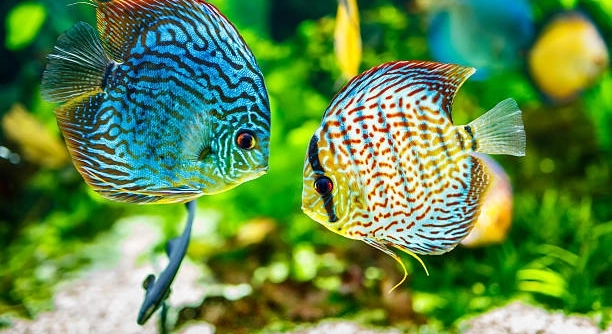
Are your discus fish spending most of their time swimming near the water’s surface? It can be worrying to see them act differently than usual, especially when they seem restless or uncomfortable. Understanding their behavior helps keep them healthy.
Discus fish swimming at the top all day usually indicate poor water quality or low oxygen levels. This behavior is a response to stress or discomfort caused by unfavorable tank conditions that need immediate attention to prevent illness or death.
Knowing the reasons behind this behavior is important for making the right changes to your aquarium setup. The following information will help you care better for your discus and create a healthier environment.
Common Causes of Discus Swimming at the Surface
Discus fish often swim at the top of the tank when the water quality is not ideal. Poor filtration or infrequent water changes can lead to a buildup of harmful chemicals like ammonia and nitrites. These substances make it hard for discus to breathe and force them to seek better oxygen near the surface. Another common reason is low oxygen levels in the water. Warm water holds less oxygen, and if the tank is overcrowded or lacks proper aeration, discus will stay near the top where oxygen is higher. Stress from sudden temperature changes or strong currents can also cause this behavior. Sometimes, illness or parasites make fish weak and uncomfortable, leading them to float near the surface. Paying attention to these factors early can prevent more serious health problems.
Testing water regularly and maintaining clean tank conditions helps keep your discus active and comfortable.
Checking water parameters daily is the best way to spot trouble before it gets worse.
Maintaining stable water temperature and oxygen levels is crucial. A good filter system and regular water changes will keep your tank healthy. Adding an air stone or adjusting the flow can improve oxygen circulation. Avoid overfeeding to reduce waste buildup, which can affect water quality. Watching your discus closely for any signs of disease or unusual behavior will help catch problems early. Creating a calm, stable environment reduces stress and encourages normal swimming habits. Proper care makes a big difference in keeping your discus happy and swimming throughout the tank, not just at the top.
How to Improve Oxygen Levels in Your Tank
Improving oxygen levels can quickly help discus feel better and swim more normally.
Using an air pump with an air stone increases surface agitation, which helps oxygen dissolve in water. This is especially important in warm tanks. Proper filtration also adds oxygen by moving water around. Avoid overcrowding your tank since too many fish use up oxygen quickly. Keeping plants in the tank can help, as they produce oxygen during the day. Regular water changes keep oxygen levels steady and remove waste that reduces oxygen availability. Ensuring your tank is not sealed tightly will allow gas exchange with the outside air. These steps create an environment where discus can breathe easily and swim freely.
Monitoring Water Temperature
Water temperature greatly affects discus behavior. If the temperature is too high or too low, discus may swim near the surface to find comfort. Ideal temperatures for discus are usually between 82°F and 86°F.
Using a reliable thermometer helps keep the tank temperature steady. Sudden changes can stress discus and cause abnormal swimming. Avoid placing the tank near heat sources or drafts. Heating equipment should be adjusted carefully to maintain a stable range. Temperature fluctuations weaken discus immune systems, making them prone to disease.
Keeping the temperature consistent encourages healthy oxygen levels since warmer water holds less oxygen. This balance helps discus swim calmly at different depths. Proper temperature control supports their natural behavior and reduces surface swimming caused by discomfort.
Signs of Illness Affecting Swimming Behavior
Illness can cause discus to stay at the surface for long periods. Signs include clamped fins, lethargy, and loss of appetite. White spots or cloudy eyes may also appear.
If you notice any of these symptoms, it is important to act quickly. Quarantine affected fish to prevent spreading disease. Check water quality as poor conditions often worsen illness. Use appropriate medications after identifying the specific disease. Keep the tank clean and maintain a good diet to support recovery.
Some common illnesses causing this behavior include bacterial infections and parasites. Regular observation helps catch problems early before they become severe. Addressing illness promptly improves discus health and their willingness to swim normally throughout the tank.
Overfeeding and Its Impact
Overfeeding discus can pollute the tank water quickly. Leftover food decomposes, raising harmful toxin levels and lowering oxygen.
Reducing feeding amounts and removing uneaten food helps maintain water quality. Feeding smaller portions more frequently suits discus better than large meals.
Tank Size and Population
A small tank or overcrowding stresses discus and reduces oxygen. Each fish needs enough space to swim freely and avoid competition for resources.
Ensuring a properly sized tank with fewer fish reduces stress and promotes healthier swimming patterns. Proper stocking levels support discus well-being.
Water Change Routine
Regular water changes keep water clean and oxygen-rich. Changing 25-50% of water weekly removes toxins and replenishes oxygen.
Consistent water changes improve discus health and encourage active swimming throughout the tank.
Final Tips
Observe discus behavior daily. Early detection of changes leads to faster solutions and a healthier tank environment.
FAQ
Why do discus fish stay at the top of the tank?
Discus often swim near the surface when water conditions are not ideal. Low oxygen levels or poor water quality make it harder for them to breathe, so they move where oxygen is more available. Stress, illness, or temperature issues can also cause this behavior.
How can I tell if my discus is sick?
Signs of sickness include clamped fins, loss of appetite, unusual spots or discoloration, and lethargy. If your discus stays at the surface and shows these symptoms, it might be ill. Testing water quality and isolating the fish can help protect the rest of the tank.
What is the best water temperature for discus fish?
Discus thrive between 82°F and 86°F. Temperatures outside this range can stress them and affect their swimming. Keeping temperature stable with a good heater and thermometer is important for their health.
How often should I change the water?
Weekly water changes of 25-50% are ideal. This removes waste, lowers toxins, and adds fresh oxygen. Regular water changes help discus stay healthy and active.
Can overfeeding cause discus to swim at the surface?
Yes, overfeeding leads to uneaten food breaking down and polluting the water. This lowers oxygen and stresses fish. Feed small amounts and remove leftovers to keep water clean.
Is tank size important for discus behavior?
Tank size matters a lot. Overcrowded tanks reduce oxygen and increase stress. A larger tank with fewer fish gives discus space to swim comfortably and reduces surface swimming caused by stress.
How do I increase oxygen in my discus tank?
Adding an air stone or air pump helps oxygenate the water by increasing surface movement. Good filtration and plants can also improve oxygen levels. Avoid overcrowding to keep oxygen from dropping.
Can sudden temperature changes affect discus?
Yes, rapid changes weaken their immune system and cause stress, often making discus swim near the surface. Keeping temperature steady helps prevent these issues.
What should I do if my discus is always at the top?
Test the water for ammonia, nitrites, and oxygen levels first. Improve water quality with changes and better filtration. Check temperature and reduce stress factors. If illness is suspected, quarantine the fish and treat as needed.
Are there common diseases that cause discus to swim at the surface?
Bacterial infections and parasites often cause weakness and surface swimming. Watch for spots, redness, or unusual behavior. Early treatment improves recovery chances.
Can plants help discus health?
Yes, live plants produce oxygen during the day and help improve water quality. They also create hiding spots, reducing stress and encouraging natural swimming behavior.
How do I prevent discus from swimming at the top in the future?
Keep water clean with regular changes, maintain stable temperature, avoid overcrowding, and feed properly. Observing your discus daily helps catch problems early before they affect behavior.
Is it normal for discus to swim near the surface sometimes?
Short periods near the surface are normal, especially during feeding. Constant surface swimming, however, signals a problem needing attention.
What equipment is best for a discus tank?
A reliable heater, efficient filter, and air pump or air stone help maintain stable conditions. Quality equipment supports water movement and oxygen levels necessary for discus health.
Discus fish swimming at the top of the tank all day is often a sign that something in their environment needs attention. It usually means they are trying to find better oxygen or comfort because the water conditions are not right. This behavior should not be ignored because it can lead to more serious health problems if left untreated. Watching how your discus behave and knowing what to look for helps you keep them safe and healthy.
Maintaining good water quality is one of the most important steps you can take. Regular water changes, proper filtration, and avoiding overfeeding are simple ways to keep the tank clean. Checking the water temperature and oxygen levels also plays a big role in keeping your discus comfortable. When the water is warm and crowded, oxygen drops, and discus will swim near the surface to breathe easier. Using an air pump or air stone can help increase oxygen, making your tank a better home for your fish. Keeping the tank stable and clean reduces stress on your discus and supports their natural swimming habits.
If your discus continue to swim at the surface despite good water conditions, it might be a sign of illness or stress. Watching for signs like changes in appetite, spots, or unusual behavior will help you catch problems early. When illness is suspected, isolating the affected fish and treating them quickly can prevent the problem from spreading. Overall, understanding your discus’ needs and carefully managing their environment will help them stay healthy and active. Taking these steps will give you a better chance to enjoy your discus as lively, beautiful fish that swim freely throughout the tank.

Hello,
If you enjoy the content that we create, please consider saying a "Thank You!" by leaving a tip.
Every little bit helps us continue crafting quality advice that supports the health, happiness, and well-being of pets around the world, for pets of all shapes, sizes, and species.
We really appreciate the kindness and support that you show us!