
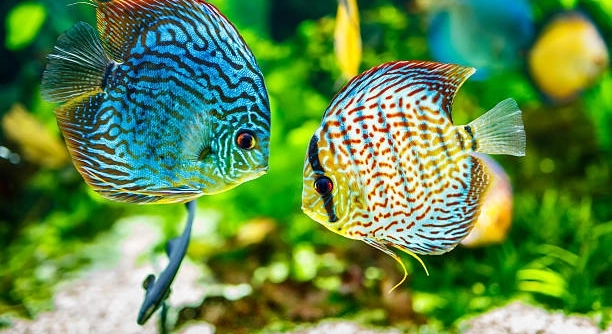
Many discus fish keepers wonder when to separate their fry from the parents. The early days are crucial for the fry’s growth and survival. Handling this step well can make a big difference in raising healthy discus.
Removing discus fry from their parents too early can cause stress and reduce their chances of survival. It is generally recommended to wait until the fry can swim and feed independently, ensuring they develop properly before separation.
Understanding the right timing and method will help you care for your discus fry with confidence and improve their growth outcomes.
When to Remove Discus Fry from Parents
Knowing the right moment to remove discus fry is key to their survival. Generally, fry stay with their parents for about three weeks. During this time, the parents provide protection and help feed the fry with their mucus. Removing them too early can stress the fry, making them weak and more vulnerable to disease. However, waiting too long can lead to overcrowding, which also harms their growth. The best time to separate them is when the fry start swimming freely and feeding on their own. At this stage, they are strong enough to handle life outside the parental care. Watching their behavior closely helps you decide the right time. Healthy fry will swim confidently and eat small food particles. It is also important to prepare a safe environment for the fry once they are removed. A clean tank with proper water conditions supports their continued growth and health.
Separating fry at the correct time reduces stress and improves survival rates.
Taking care of discus fry requires patience and careful observation. Early removal can stunt their growth or cause health issues. But waiting too long may cause the parents to become aggressive or leave less space for the fry to develop properly. The balance lies in watching the fry’s development and behavior closely. As soon as they start feeding independently and swimming well, it’s safe to move them to their own tank. This ensures they get enough food and room to grow without competition or threats. Providing gentle care during this change helps them adjust. Regular tank maintenance and feeding small, nutritious meals will support their growth. Monitoring water quality is also essential, as discus fry are sensitive to changes. Following these steps improves their chances of becoming strong adult fish.
How to Prepare for Removing Discus Fry
Before removing the fry, prepare a separate tank with stable conditions. Make sure the water temperature, pH, and cleanliness match the parents’ tank.
Use gentle methods to transfer the fry, like a small cup or net, to avoid injury. Gradually introduce them to their new environment. Keep the tank quiet and avoid sudden changes during this transition period. Feed the fry small amounts frequently with appropriate food like infusoria, baby brine shrimp, or finely crushed flakes. Maintaining high water quality by regular water changes and good filtration helps prevent illness. Observe the fry closely after the move for any signs of stress or disease. Proper preparation makes this change easier and helps the fry thrive independently.
Signs That Discus Fry Are Ready to Be Removed
Discus fry ready to be removed swim actively and feed on their own. Their size and independence grow enough to handle separation.
At this stage, the fry no longer rely on their parents’ mucus for nutrition. They will eagerly eat small live foods or finely crushed flakes. You may notice them exploring the tank more confidently and showing less dependence on the parents for protection. Their fins and body shape look more developed, and their swimming is steady. These are clear signs they are prepared for a separate environment where they can grow with less competition. It’s important to confirm these behaviors over a few days to ensure consistency. Moving the fry when they show these signs helps reduce stress and encourages healthy growth.
Careful observation of feeding habits and swimming skills helps you pick the best time for removal. This attention supports their survival and well-being in a new tank setup.
Benefits of Waiting to Remove Discus Fry
Waiting until fry are ready helps protect their health and growth. Early removal can cause shock and slow development.
When fry stay with their parents long enough, they receive natural protection from predators and better water conditions. Parents clean the fry and defend them, which reduces stress and disease risks. The fry also get natural feeding support, improving nutrition and growth rates. This time with parents helps fry build strength and coordination in swimming. Removing fry too soon risks injuries, illness, or poor feeding habits. Waiting allows the fry to mature at a natural pace and improves their chances of thriving in a separate tank. This patient approach usually leads to stronger, healthier adult discus fish.
Risks of Removing Fry Too Early
Removing discus fry too early can lead to high stress levels. Stress weakens their immune system and makes them prone to disease.
Fry may struggle to feed properly without their parents’ guidance. This can stunt their growth and reduce survival chances significantly.
How to Monitor Fry Health After Removal
After removing fry, keep a close eye on their behavior and appearance. Watch for signs of lethargy, loss of appetite, or unusual swimming patterns.
Healthy fry should swim actively and eat well. Any changes may require quick action, like adjusting water conditions or diet.
Setting Up the Fry Tank Properly
Ensure the fry tank has stable water parameters similar to the parents’ tank. Use gentle filtration and maintain warm temperatures around 82–86°F (28–30°C).
Avoid overcrowding by limiting the number of fry in the tank. Frequent water changes and clean conditions help prevent disease and encourage growth.
How soon can I remove discus fry from their parents?
You should wait until the fry start swimming freely and feeding independently before removing them. This usually happens around three weeks after hatching. At this point, they are strong enough to survive without the parents’ care. Removing them earlier can cause stress and lower survival rates.
What signs show that fry are ready to be separated?
Look for active swimming and independent feeding. The fry should eat small live foods or crushed flakes on their own. They will also appear more confident in the tank and no longer stay close to their parents all the time. These behaviors mean they are ready for a new environment.
Can I remove fry if the parents become aggressive?
Yes, if the parents show aggression, removing the fry earlier may be necessary to protect them. Sometimes parents can become territorial or stressed and may harm the fry. In this case, prepare a safe tank for the fry and transfer them carefully to avoid injury.
How do I transfer discus fry safely?
Use a small cup or soft net to gently scoop the fry from the parents’ tank. Avoid sudden movements or rough handling. Transfer them slowly to the prepared fry tank with similar water conditions. Keeping the environment stable helps reduce stress during the move.
What should I feed discus fry after removal?
Feed the fry small, nutritious foods like baby brine shrimp, infusoria, or finely crushed flakes. Frequent, small feedings are best since fry have tiny stomachs. Make sure the food is appropriate for their size and easy to digest to support healthy growth.
How often should I change the water in the fry tank?
Perform small water changes of 10-20% every day or every other day. Keeping water clean is vital because fry are sensitive to poor water quality. Use water that matches the temperature and pH of the tank to avoid shocking the fry.
Can I keep fry from different parents together?
It’s possible but not always recommended. Mixing fry from different parents can increase the risk of disease spreading and may cause stress due to competition. If you do mix them, monitor closely for signs of aggression or illness.
What temperature is best for discus fry?
Maintain water temperatures between 82°F and 86°F (28°C to 30°C). Warm water helps fry grow faster and stay healthy. Avoid sudden temperature changes, which can stress the fry and cause health problems.
How long should fry stay in the separate tank?
Fry usually stay in the separate tank until they grow big enough to join the main community tank, often after 2 to 3 months. This depends on their growth rate and health. Make sure they are strong swimmers and eat well before moving them again.
What if fry stop eating after removal?
If fry refuse food after being removed, check water quality and tank conditions first. Sometimes stress causes loss of appetite. Try offering different types of small live foods or adjusting feeding times. If the problem persists, review tank conditions and reduce stress factors.
Are there risks in waiting too long to remove fry?
Yes, keeping fry with parents too long can cause overcrowding and increase waste, affecting water quality. Parents may also become aggressive as fry grow. Balancing timing is important to avoid these problems while ensuring fry are ready.
How can I reduce stress during removal?
Prepare the fry tank in advance with proper water conditions. Move fry gently and avoid loud noises or sudden movements around the tanks. Keep lighting low for a while after transfer. These steps help fry adjust to their new environment smoothly.
Do discus fry need special filtration?
Use gentle filtration, such as sponge filters, which won’t suck in or harm small fry. Good filtration keeps water clean without creating strong currents. Strong water flow can tire or injure the fry.
Is it okay to handle discus fry daily?
Avoid frequent handling, as this can stress the fry. Observe them closely but keep physical contact to a minimum. Focus on maintaining good water conditions and feeding rather than handling. Handling only when necessary, such as during transfers or tank cleaning, is best.
What diseases should I watch for in discus fry?
Common issues include fungal infections, parasites, and bacterial diseases caused by poor water quality or stress. Watch for white spots, unusual swimming, or lethargy. Early detection and treatment improve survival chances.
How important is water quality for fry survival?
Water quality is critical. Poor conditions weaken fry and encourage disease. Regular testing and water changes keep ammonia, nitrites, and nitrates low. Using a mature filter and maintaining temperature and pH stability supports fry health.
When raising discus fry, timing the removal from their parents is very important. Removing the fry too early can cause stress and make them weaker. They need the protection and care that their parents provide in the early weeks. Parents help clean the fry and even feed them with a special mucus that supports their growth. Waiting until the fry can swim and eat on their own gives them the best chance to survive and grow strong. Watching their behavior closely helps to know when they are ready. When the fry swim confidently and start feeding independently, it is usually a good time to move them to a separate tank.
Preparing the new tank carefully before moving the fry is just as important as waiting for the right time. The water in the new tank should have stable temperature, pH, and cleanliness similar to the parents’ tank. Using gentle filtration and avoiding overcrowding creates a safe and healthy environment for the young fish. Feeding small, nutritious meals several times a day supports their continued growth after the move. Keeping the water clean with regular changes helps prevent illness. Being gentle during the transfer and paying close attention to the fry’s behavior after moving can help reduce stress and support a smooth transition.
Overall, patience and careful observation are key when working with discus fry. Each group may develop at a slightly different pace, so it is important to watch how the fry behave rather than follow strict timelines. Taking the time to wait until they are ready and making sure their new tank is well set up helps give discus fry the best start in life. Healthy fry have a better chance to grow into beautiful adult discus fish. This process may take some effort, but the rewards of raising strong, healthy fish make it worthwhile.

Hello,
If you enjoy the content that we create, please consider saying a "Thank You!" by leaving a tip.
Every little bit helps us continue crafting quality advice that supports the health, happiness, and well-being of pets around the world, for pets of all shapes, sizes, and species.
We really appreciate the kindness and support that you show us!