
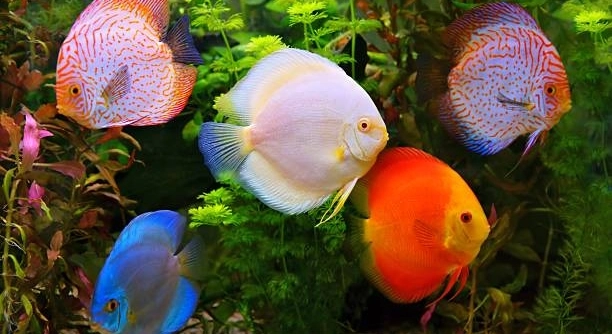
Breeding discus fish requires careful preparation and the right setup to ensure success. Many enthusiasts find that a few key essentials make all the difference when starting this rewarding hobby. Having the proper environment helps discus thrive and reproduce healthily.
The seven breeding discus setup essentials include a well-maintained tank, stable water conditions, proper filtration, suitable spawning sites, quality nutrition, appropriate lighting, and regular monitoring. These factors create an ideal habitat that encourages successful breeding and healthy fry development.
Knowing these essentials can help you avoid common pitfalls and give your discus the best chance at successful breeding. This article will guide you through each important aspect clearly and simply.
Tank Size and Setup
A proper tank size is crucial when breeding discus fish. A tank that is too small will stress the fish and reduce the chances of successful breeding. Ideally, a breeding tank should hold at least 20 to 30 gallons of water. This size offers enough space for the discus to swim freely and choose their spawning site. The tank should be bare or lightly planted to make cleaning easier and help monitor the eggs. The setup should include a gentle filtration system to maintain clean water without creating strong currents. Stable temperature and water parameters are easier to control in the right tank size, which supports the health and comfort of the breeding pair. Avoid overcrowding the tank, as discus fish are sensitive to stress and need room to establish their territory.
Smaller tanks make it difficult to maintain stable water conditions, which can harm both parents and fry.
A well-planned tank setup creates a comfortable space that promotes natural breeding behaviors and supports the growth of healthy young discus fish.
Water Quality and Parameters
Maintaining excellent water quality is one of the most important factors for breeding discus. The water should be clean, soft, and slightly acidic, with a pH between 6.0 and 6.5. Temperature should be steady, ideally between 82°F and 86°F (28°C to 30°C). Frequent water changes of 25-50% help keep nitrate levels low and reduce stress on the fish. A reliable filtration system is needed but should not produce strong water currents. Monitoring ammonia, nitrite, and nitrate levels regularly is essential to avoid harmful spikes. Stable water conditions reduce disease risks and encourage discus to spawn naturally. Proper water parameters also support the development of eggs and fry survival rates, making this an essential part of the breeding setup.
Keeping the water conditions consistent improves breeding success and fry health.
Good water quality sets the foundation for a healthy tank environment, supporting discus behavior and reproduction over time.
Filtration System
A gentle filtration system is vital for breeding discus. It keeps the water clean without disturbing the fish or eggs.
Choosing a sponge filter or a gentle hang-on-back filter with adjustable flow works best. Strong currents can damage eggs or stress the parents, so the flow should be minimal. The filter should maintain good biological filtration to break down waste and keep ammonia and nitrite at zero. Regular cleaning of the filter media ensures it works efficiently without disrupting the tank’s delicate balance. A quiet filter also helps reduce stress, allowing discus to focus on spawning and caring for their fry.
Proper filtration maintains water quality while protecting eggs and fry from damage. It supports a healthy environment for both adults and their offspring.
Spawning Sites and Surfaces
Discus prefer flat, vertical surfaces to lay their eggs, like slate tiles or broad leaves. These surfaces are easy to clean and monitor. Providing multiple spawning sites encourages natural breeding behaviors and reduces competition. Some breeders use artificial spawning cones designed for discus. It’s important to position these sites away from strong light and water flow to keep eggs safe. Clean spawning surfaces regularly but gently to avoid disturbing eggs or parents. The right spawning surfaces help parents feel secure and increase the likelihood of successful hatching.
Choosing suitable spawning sites reduces stress and improves egg survival rates. Proper surfaces allow parents to care for their eggs efficiently without interference.
Lighting
Lighting should be soft and natural, avoiding bright or harsh lights that stress discus. A low to moderate light level mimics their natural habitat and helps maintain calm behavior. Too much light can cause agitation and affect breeding success.
Using a timer for consistent day and night cycles supports the fish’s internal rhythm. This regularity encourages spawning and helps the discus feel secure in their environment.
Nutrition and Feeding
Feeding discus a varied diet rich in protein supports their health and breeding condition. High-quality pellets, frozen bloodworms, and brine shrimp provide essential nutrients. Regular feeding of small amounts keeps discus strong without polluting the water. Proper nutrition boosts spawning readiness and improves fry development.
Monitoring and Care
Frequent observation of discus behavior and water quality is key. Early detection of problems allows for quick adjustments, improving survival rates. Monitoring helps maintain ideal conditions and keeps the breeding pair healthy and stress-free.
FAQ
What is the ideal tank size for breeding discus?
A tank size of 20 to 30 gallons is recommended for breeding discus. This size offers enough space for the pair to swim and establish territory while making it easier to maintain stable water conditions. Smaller tanks often cause stress and water quality issues.
How often should I change the water during breeding?
Frequent water changes are important, usually 25-50% every few days. This keeps nitrate levels low and ensures clean, healthy water. Clean water reduces stress on the fish and supports egg and fry health.
What type of filtration is best for discus breeding?
A gentle filtration system, such as a sponge filter or a low-flow hang-on-back filter, is best. Strong currents can damage eggs and fry or stress adult fish. The filter should maintain biological filtration to keep ammonia and nitrite levels at zero.
What water parameters should I maintain for breeding discus?
Water should be soft and slightly acidic, with a pH between 6.0 and 6.5. Temperature should stay stable around 82°F to 86°F (28°C to 30°C). Ammonia and nitrite must be at zero, and nitrates should be kept very low through regular water changes.
What surfaces do discus prefer for spawning?
Discus like flat, vertical surfaces such as slate tiles or broad leaves. These surfaces make it easy to clean and monitor eggs. Some use artificial spawning cones. Providing several options reduces competition and encourages natural behavior.
How important is lighting for discus breeding?
Lighting should be soft and consistent, avoiding bright or harsh lights. Use a timer to create stable day-night cycles. Proper lighting reduces stress and encourages breeding.
What should I feed discus during breeding?
A varied, protein-rich diet is essential. High-quality pellets, frozen bloodworms, and brine shrimp provide good nutrition. Feed small amounts multiple times a day to keep the fish healthy without fouling the water.
How can I tell if my discus are ready to breed?
Pairs often show increased pairing behavior, swimming closely and cleaning spawning sites together. They become more territorial and focused on the chosen spawning surface. Eggs will appear shortly after these signs.
What should I do if the parents eat their eggs?
Egg-eating can happen if parents are stressed or inexperienced. Improving water quality, reducing disturbances, and offering proper nutrition can help. Sometimes removing the eggs and hatching them in a separate tank is necessary.
How do I care for discus fry?
Fry need clean water and stable conditions. Feed them infusoria or specially prepared fry food for the first few days. As they grow, gradually introduce baby brine shrimp. Keep a close eye on water quality to prevent disease.
Can I keep other fish in the breeding tank?
It is best to keep the breeding tank species-only. Other fish can stress discus, compete for food, or eat eggs and fry. A quiet, controlled environment increases breeding success.
How long does it take for discus eggs to hatch?
Discus eggs usually hatch within 3 to 5 days, depending on water temperature. After hatching, the fry stay attached to the spawning surface for a few more days before swimming freely.
Is it necessary to use a heater for breeding discus?
Yes, a reliable heater helps maintain the stable warm temperatures that discus need for breeding. Temperature fluctuations can stress fish and reduce spawning chances.
What signs show that discus fry are healthy?
Healthy fry are active, swim freely, and begin feeding shortly after their yolk sac is absorbed. Their color will be clear and bright, and they will grow steadily with proper care.
How often should I clean the tank during breeding?
Cleaning should be gentle and regular. Avoid disturbing eggs or fry. Partial water changes and careful filter maintenance are best. Overcleaning or sudden changes can cause stress.
Can discus breed without a breeding pair?
Discus usually breed as pairs. Attempting to breed with multiple fish often causes stress and aggression. Selecting a compatible pair improves success.
These questions cover common concerns and provide straightforward answers to support your discus breeding setup and care.
Final Thoughts
Breeding discus fish can be a rewarding experience when the right setup is in place. Each element, from tank size to water quality, plays an important role in creating a safe and comfortable environment for the fish. Understanding these basics helps reduce stress for both the breeding pair and their fry. Proper preparation means fewer surprises and better chances of success. It’s important to be patient and consistent, as discus require stable conditions and careful attention.
A well-maintained tank with good filtration and clean water supports the health of the fish throughout the breeding process. Paying attention to water parameters like temperature, pH, and hardness is essential because discus are sensitive to changes. Providing suitable spawning surfaces encourages natural behavior, making it easier for the fish to lay and care for their eggs. Along with a balanced diet, these factors combine to create the best possible environment for raising strong and healthy fry.
Breeding discus also requires regular monitoring and gentle care. Observing the fish daily can help catch any problems early before they become serious. Avoiding overcrowding and maintaining a calm environment helps reduce stress and aggression. It’s normal to face challenges, especially with delicate species like discus, but having the right setup makes these challenges easier to manage. With attention and patience, breeding discus can become a fulfilling part of fishkeeping.

Hello,
If you enjoy the content that we create, please consider saying a "Thank You!" by leaving a tip.
Every little bit helps us continue crafting quality advice that supports the health, happiness, and well-being of pets around the world, for pets of all shapes, sizes, and species.
We really appreciate the kindness and support that you show us!