
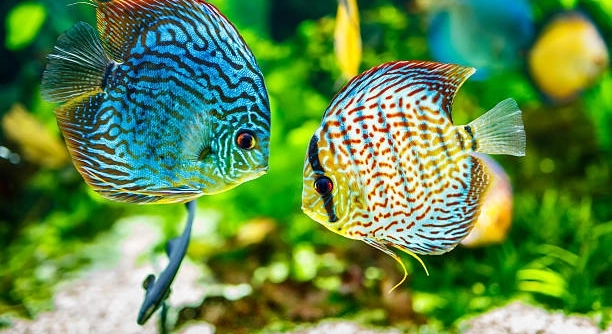
Are your discus showing signs of stress or refusing to breed even when everything seems perfect in their tank setup? Sometimes, the smallest changes in their environment can throw off their breeding rhythm completely.
Discus breeding cycles can be disrupted by several factors, including poor water quality, unstable temperatures, incorrect lighting, stress from tank mates, improper diet, overhandling, and lack of privacy. These conditions interfere with hormone regulation and reproductive behavior.
Each of these issues can affect your discus in different ways, and understanding how they work together is key to solving the problem.
Poor Water Quality
Discus are sensitive to water changes, and even small shifts in conditions can throw off their breeding cycle. When ammonia, nitrite, or nitrate levels get too high, it puts a strain on their health. Cloudy water, foul smells, or sluggish behavior are often signs that something’s off. Consistent water testing is a must. Maintaining soft, acidic water with a stable pH between 6.0 and 6.5 helps keep their hormones balanced and encourages breeding behavior. Regular partial water changes help reduce harmful buildup without causing too much disruption. If your discus are not spawning as expected, water quality should be the first thing you check. Even if everything looks clear, hidden imbalances can still affect them. Stick to a stable cleaning schedule and avoid using chemicals that could throw off the water parameters. Focus on clean, calm water to create the best chance for a successful breeding environment.
Some keepers don’t realize just how quickly poor water conditions can affect discus behavior. They may eat normally and still appear healthy, but breeding often stops quietly in the background when water isn’t ideal.
Once water quality improves, you may notice subtle changes like increased pair bonding and territory guarding. These are good signs that conditions are back on track.
Stress From Tank Mates
Aggressive or overly active tank mates can make discus feel unsafe. This constant stress lowers their chances of pairing and breeding naturally.
Discus prefer peace and predictability. Fast-swimming fish or territorial species like cichlids can easily disrupt their comfort. Even smaller fish, like tetras, can cause stress if they swarm during feeding. Tank mates that chase or nip at fins create a tense environment where discus won’t settle into breeding behavior. Some discus might even stop eating or hide more often, both of which are clear signs of distress. If you notice these behaviors, it’s best to move the other fish to a separate tank. A calm tank helps discus focus on bonding with their mate and preparing a breeding site. When they feel safe, they tend to display brighter colors, clean surfaces together, and begin spawning. It’s often overlooked, but reducing stress from tank mates can have a noticeable impact on breeding results.
Unstable Temperature
Even slight temperature changes can throw off discus breeding behavior. These fish need warm, stable water to feel secure. Fluctuating temperatures—especially drops—can cause them to stop spawning altogether or delay pairing up. Aim to keep the tank between 82°F and 86°F without daily swings.
Unstable temperatures affect more than just comfort. They impact the immune system and hormone balance, both of which play a role in breeding. A tank that shifts from 80°F at night to 86°F during the day may seem fine, but discus often stop laying eggs or caring for them under those conditions. Heaters should be reliable and strong enough for the tank size. Always use a thermometer to double-check that the temperature stays consistent across different areas of the tank. When conditions are steady, pairs are more likely to engage in regular courtship behaviors and maintain a steady rhythm of breeding attempts.
Sudden temperature drops from power outages, water changes, or even a faulty heater can trigger breeding issues. Fish may become inactive or retreat into hiding, pausing their reproductive cycle until things stabilize. If breeding has stopped suddenly, checking the temperature should be one of the first steps. Small adjustments often lead to improved activity within days.
Incorrect Lighting
Discus need a regular day-night cycle to maintain a healthy breeding rhythm. Inconsistent or harsh lighting can confuse their internal clock, which affects hormones related to reproduction. Lights that are too bright or left on too long may lead to stress and inactivity.
Try to keep the lighting soft and consistent. Use a timer to provide 10 to 12 hours of light daily and let the tank rest in darkness for the remainder. Avoid direct sunlight or sudden bursts of brightness. Discus rely on subtle changes in their environment to decide when it’s safe to breed. Proper lighting supports natural behavior, including territory cleaning and egg laying. Too much light, or poorly timed lighting, makes them uneasy. If your pair stops showing interest in their breeding site, the lighting setup may be the reason. Once balanced, discus typically respond with calmer behavior and stronger pair bonding.
Overhandling and Disruptions
Frequent tank maintenance, tapping on the glass, or moving decorations can interrupt breeding. Discus need a calm, predictable space to feel safe enough to lay eggs and care for their young. Too much activity around their tank can make them abandon the process completely.
If a pair starts showing interest in breeding, avoid reaching into the tank unless absolutely necessary. Sudden movements or routine changes during this time can stress them out. Give them space and keep noise levels low. Letting them feel in control of their surroundings often leads to more stable and consistent breeding.
Improper Diet
A poor diet weakens discus and can lead to irregular or failed breeding attempts. They need a high-protein, nutrient-rich diet to stay in top condition. Frozen bloodworms, brine shrimp, and quality pellets provide essential support. Underfeeding, or using only dry food, may cause sluggish behavior and hormone imbalances. Feeding small portions multiple times a day works better than large, infrequent meals. It helps maintain energy levels and boosts breeding activity. Breeding pairs especially benefit from variety—mixing in live or frozen food encourages natural behavior and improves egg quality. A good diet supports both the adult fish and any potential offspring.
Lack of Privacy
Discus need a quiet, semi-private area to feel comfortable breeding. Tanks with too much open space or frequent foot traffic nearby can cause hesitation or stress. Adding broad leaves, breeding cones, or tall plants can help create a more secure space.
FAQ
How often do discus breed in ideal conditions?
In stable conditions, a healthy discus pair can breed every 7 to 10 days. Once they bond and start laying eggs, this cycle can continue for several weeks or even months. However, the eggs may not always hatch or survive, especially with new pairs. Some pairs will eat the eggs or fry in the beginning. As they mature and become more experienced, success usually improves. Regular breeding is a good sign that your water parameters, diet, lighting, and tank environment are on the right track. Interruptions in this pattern often signal that something needs adjusting.
What water parameters are best for discus breeding?
Aim for soft, slightly acidic water. The ideal pH range is between 6.0 and 6.5. Keep the temperature between 82°F and 86°F, with minimal fluctuations. Ammonia and nitrites should be at zero, and nitrates should stay under 20 ppm. Water hardness should be low, around 1–4 dGH. Consistency is more important than perfection—sudden shifts can cause your pair to stop breeding altogether. Test your water regularly and avoid over-cleaning or using chemical additives unless absolutely necessary. Clean, calm water encourages stable breeding patterns and protects the eggs and fry from harmful bacteria.
Why do my discus eat their eggs or fry?
It’s a common behavior, especially in young or inexperienced pairs. They may feel threatened or unsure and eat the eggs to “protect” them. Poor water conditions, sudden tank movements, or stress from other fish can trigger this. Sometimes, they eat the eggs if they’re not fertilized or if they detect fungus. As pairs mature and grow more confident, they usually stop doing this. Creating a quiet, stable environment and removing distractions or tank mates can help. Some breeders use a divider or move the pair to a separate breeding tank to give them a better chance at success.
How long does it take for discus eggs to hatch?
Discus eggs usually hatch within 48 to 60 hours after being laid, depending on the temperature. Warmer water can speed up the process slightly. Once hatched, the fry will stay attached to the spawning site for about 2 to 3 days. After that, they move to the parents’ bodies and feed off their mucus. This phase is critical, so avoid disturbing them. Any stress to the parents may lead them to stop caring for the fry. Keeping the tank quiet and dim during this period helps the fry develop properly and encourages strong parental behavior.
Can discus breed in a community tank?
They can, but it’s not ideal. Other fish often stress the breeding pair, steal eggs, or disturb the process altogether. Community tanks have more activity, and this can make discus feel unsafe. If breeding does happen, the eggs or fry rarely survive without intervention. You might see the pair attempting to lay eggs repeatedly without any success. A separate breeding tank gives the pair more control over their space and allows you to maintain the right water parameters more easily. This doesn’t mean it’s impossible in a community tank—it’s just much harder to manage and rarely successful long-term.
Do I need a breeding cone for discus to spawn?
No, but it helps. Breeding cones give discus a clean, vertical surface to lay eggs. In the absence of a cone, they might use a filter intake, plant leaf, or even the tank glass. However, cones are easy to clean and help you monitor the eggs more easily. They also give the pair a consistent place to return to. If your pair is laying eggs in random or unsafe areas, a cone can guide their behavior. Keep it near a quiet corner and make sure it’s secure. Some pairs prefer certain surfaces, so try different placements if needed.
Final Thoughts
Breeding discus can feel overwhelming at times, especially when things don’t go as planned. It’s easy to miss small details that end up having a big impact. Even something as simple as a slight drop in temperature or a little too much light can stop the process. These fish are sensitive and need very specific conditions to feel comfortable enough to breed. But once you understand their needs, it becomes much easier to recognize what’s going wrong and how to fix it. Patience and observation are two of the most important tools you’ll need.
Many problems with discus breeding come down to stress. Whether it’s caused by noisy surroundings, aggressive tank mates, or inconsistent care routines, stress often stops breeding before it even starts. Creating a calm and steady environment makes a huge difference. Try not to rush the process or make too many changes at once. It helps to keep track of what’s working and what’s not, so you can slowly make improvements. When you give your discus a peaceful tank, clean water, a good diet, and stable conditions, they usually respond with stronger bonds and more regular breeding patterns.
There’s no one-size-fits-all method, but keeping things simple and consistent often leads to success. Focus on providing a safe space where the pair feels secure. Make sure the water is clean, warm, and steady. Keep the lighting gentle and on a regular schedule. Feed them a variety of healthy foods and limit how often you disturb the tank. Small adjustments over time often lead to big changes. If breeding doesn’t happen right away, don’t get discouraged. Some pairs take longer to bond or settle into their space. The more you observe their behavior and respond with care, the better your chances of creating the right environment for breeding to happen naturally.

Hello,
If you enjoy the content that we create, please consider saying a "Thank You!" by leaving a tip.
Every little bit helps us continue crafting quality advice that supports the health, happiness, and well-being of pets around the world, for pets of all shapes, sizes, and species.
We really appreciate the kindness and support that you show us!