
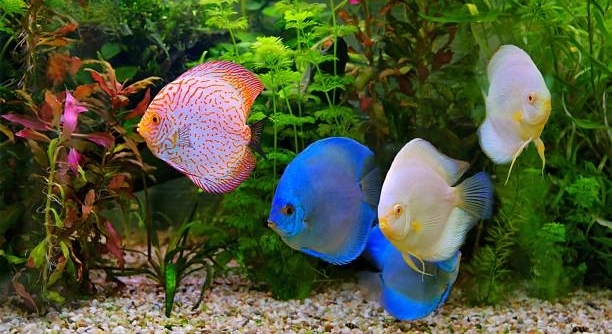
Are your discus fish suddenly acting jumpy or restless in their tank? It can be surprising to see such calm fish become skittish without an obvious reason. Understanding the cause can help you restore their peaceful behavior.
Discus fish may act skittish due to changes in water quality, sudden movements around the tank, or stress caused by new tank mates or environment adjustments. These factors affect their comfort and safety, prompting a defensive, nervous response.
Knowing what triggers this behavior will help you create a calm and stable home for your discus fish, improving their well-being and your enjoyment of the aquarium.
Common Causes of Skittish Behavior in Discus
Discus fish are sensitive creatures that respond quickly to their surroundings. One major cause of sudden skittishness is poor water quality. Changes in pH, ammonia, or nitrite levels can stress the fish and make them nervous. Another cause is sudden loud noises or quick movements near the tank, which can startle them. Introducing new tank mates or rearranging decorations may also disturb their comfort zone. Temperature fluctuations play a role too, as discus prefer stable, warm water. Finally, overcrowding in the tank can create tension among fish, increasing stress levels. Observing these factors helps identify why your discus might be acting differently and how to adjust their environment for better calmness.
Water quality and tank conditions must be checked regularly to prevent stress and keep discus behavior normal.
Taking time to maintain clean water, consistent temperature, and a peaceful tank will help your discus feel safe again. This reduces their skittishness and encourages more natural, relaxed behavior. Keeping an eye on changes around the tank helps you act quickly before stress worsens. It also supports overall health, making your discus more vibrant and active. Simple steps like limiting noise and avoiding sudden moves near the aquarium can make a big difference in calming your fish. Gradual introduction of new tank mates and careful monitoring of water chemistry provide a steady, comfortable environment. Over time, these adjustments help your discus regain confidence and reduce jumpy reactions. This makes caring for them more enjoyable and rewarding.
How to Calm Skittish Discus Quickly
Creating a stable, calm environment is key to calming your discus fish.
Start by testing the water and fixing any imbalances. Reduce noise and avoid sudden movements around the tank. Adding plants or hiding spots can help fish feel more secure. If new fish were introduced recently, give your discus time to adjust slowly. Patience and consistency will help reduce their stress over days to weeks.
Signs of Stress in Discus Fish
Discus fish show stress through changes in behavior and appearance. They may hide more, swim erratically, or lose their appetite. Faded colors and clamped fins are also common signs. Watching for these signals early helps prevent more serious problems.
Stress can weaken discus immune systems, making them prone to illness. When stressed, discus may avoid food or become lethargic, which can lead to health decline. Their natural bright colors may dull, and they might stay near the bottom or corners of the tank. Increased hiding or twitching indicates discomfort or fear. These behaviors often point to environmental issues like poor water quality or overcrowding. Identifying stress early allows you to adjust tank conditions and improve their well-being.
Ignoring stress signs risks illness and poor growth. Maintaining clean water, stable temperature, and peaceful tank conditions is vital. Regular observation and quick action can restore your discus to their usual calm and vibrant selves, reducing skittish behavior.
Adjusting Tank Environment for Skittish Discus
A quiet, stable tank environment helps discus relax quickly.
Limit sudden changes like rearranging decorations or adding new fish all at once. Keep tank lighting gentle and avoid strong direct light. Providing plants and hiding spots creates safe areas where discus feel protected. Monitor water parameters daily to keep conditions stable. Gradual changes and consistency reduce stress and help discus settle. This approach creates a calming space that supports their natural behavior and encourages healthy interactions with other fish.
Feeding Habits and Skittish Behavior
Changes in feeding habits can make discus more nervous. If they feel hungry or stressed, they might act jumpy during feeding times.
Providing consistent feeding schedules with high-quality food helps discus feel secure. Sudden changes in diet can also cause anxiety and affect their behavior.
Importance of Stable Water Parameters
Maintaining stable water parameters is crucial for keeping discus calm. Sudden shifts in temperature, pH, or hardness can cause stress and skittishness. Regular testing and slow adjustments prevent shocks and create a comfortable environment. Stability in water quality supports healthy behavior and reduces nervous reactions.
Using Tank Decorations to Reduce Stress
Plants and hiding spots give discus places to feel safe. Adding smooth decorations and avoiding sharp objects helps create a calm space for them to relax.
FAQ
Why are my discus fish suddenly acting skittish?
Discus fish become skittish mainly because of stress caused by changes in their environment. Poor water quality, sudden movements near the tank, new tank mates, or temperature shifts can all trigger nervous behavior. These fish rely heavily on stable, calm conditions to feel safe and secure.
How can I tell if my discus fish are stressed?
Signs of stress include hiding more than usual, swimming erratically, clamped fins, faded colors, and loss of appetite. Sometimes they stay at the bottom or corners of the tank and avoid interaction. Observing these behaviors early helps in addressing the problem quickly.
What should I do if my discus are stressed?
First, check your water parameters for ammonia, nitrite, nitrate, pH, and temperature. Fix any imbalances slowly to avoid shocking the fish. Reduce noise and avoid sudden movements near the tank. Provide plenty of hiding spots and keep tank mates peaceful. Consistency in care and environment is essential.
Can feeding habits affect my discus’ behavior?
Yes, irregular feeding or poor diet can cause stress. Discus need high-quality food on a consistent schedule. Sudden diet changes may make them nervous or reluctant to eat. Make sure to feed them a balanced diet that suits their needs.
How often should I test my tank water?
Testing water at least once a week is ideal. Discus are sensitive to changes, so frequent checks on pH, ammonia, nitrites, and nitrates help maintain a safe environment. More frequent testing is needed if you suspect a problem or after changes like water changes or new fish introductions.
Is it normal for discus to be shy when first introduced to a tank?
Yes, discus are naturally shy and can take days or even weeks to settle into a new tank. They need time to get used to the new surroundings and feel safe. Providing hiding spots and avoiding stressors will help speed up their adjustment.
Can tank mates cause discus to act skittish?
Yes, aggressive or overly active tank mates can stress discus. Discus prefer calm fish that don’t compete aggressively for food or territory. Introducing compatible tank mates and avoiding overcrowding reduces stress and helps discus stay calm.
How does lighting affect discus behavior?
Strong or flashing lights can make discus nervous. They prefer soft, steady lighting that mimics their natural environment. Using plants or decorations to diffuse light creates a more comfortable setting and reduces stress.
What temperature is best for discus?
Discus thrive in water temperatures between 82°F and 86°F (28°C to 30°C). Keeping temperature stable within this range is important because sudden changes can cause stress and skittishness. Use a reliable heater and thermometer to monitor the tank.
How can I reduce noise around the aquarium?
Place the tank in a quiet area away from heavy foot traffic, loud appliances, or TV noise. Avoid tapping on the glass or sudden movements near the tank. Noise reduction helps discus feel safe and less prone to sudden fearful reactions.
Are plants important for discus tanks?
Yes, plants provide natural hiding spots and improve water quality by absorbing toxins. They create a peaceful environment where discus feel secure. Live or artificial plants both work as long as they don’t have sharp edges that could harm the fish.
What are signs of water quality problems affecting discus?
Cloudy water, strong odors, and algae buildup indicate poor water quality. Fish gasping at the surface, rapid breathing, or unusual behavior are also signs. Regular water changes and testing keep the tank clean and the discus healthy.
How do I introduce new fish without stressing discus?
Quarantine new fish for at least two weeks before adding them to the tank. Introduce them slowly by floating the quarantine bag in the main tank to equalize water temperature. Add new fish during calm times and avoid overcrowding to reduce stress.
Can sudden changes in tank setup cause skittish behavior?
Yes, rearranging decorations, changing substrates, or moving the tank can unsettle discus. They rely on familiarity to feel safe. Make changes gradually and allow time for your fish to adjust to avoid causing nervous behavior.
What is the best way to handle discus without stressing them?
Avoid frequent handling or netting. If you need to move them, do it gently and calmly. Use a soft net and limit exposure to air. Minimizing handling reduces fear and helps maintain their natural calm behavior.
How long does it take for discus to calm down after stress?
Depending on the cause, discus may take days to weeks to return to normal behavior. Consistent care, stable water conditions, and a quiet environment speed up recovery. Patience is key to helping them regain trust in their surroundings.
Discus fish are beautiful and sensitive creatures that rely heavily on stable and calm environments. When they suddenly act skittish, it is usually a sign that something in their surroundings is causing them stress or discomfort. Factors like changes in water quality, sudden noises, or new tank mates can make them nervous. Paying close attention to these details and making sure their tank conditions remain consistent is very important. Keeping the water clean, temperature steady, and the tank peaceful helps discus feel safe and behave normally. Simple adjustments can make a big difference in their comfort.
Understanding your discus’ behavior is key to keeping them healthy and happy. When discus fish become jumpy or hide more, it is often their way of telling you something is wrong. Checking water parameters regularly, feeding them high-quality food on a schedule, and avoiding sudden movements near the tank all help reduce stress. Adding plants or decorations for hiding places also creates a secure space where they can relax. Over time, these efforts will encourage your discus to regain their calm and natural behavior.
Patience is important when helping discus adjust and feel at ease again. These fish may take days or weeks to recover from stress, depending on the cause. Being consistent with care and avoiding sudden changes will support their recovery. Remember, discus fish need a stable environment to thrive. By watching for signs of stress and acting promptly, you can ensure they stay healthy and enjoy a peaceful life in your aquarium. Keeping a close eye on their needs shows care and helps your discus remain beautiful, calm, and active pets.

Hello,
If you enjoy the content that we create, please consider saying a "Thank You!" by leaving a tip.
Every little bit helps us continue crafting quality advice that supports the health, happiness, and well-being of pets around the world, for pets of all shapes, sizes, and species.
We really appreciate the kindness and support that you show us!