
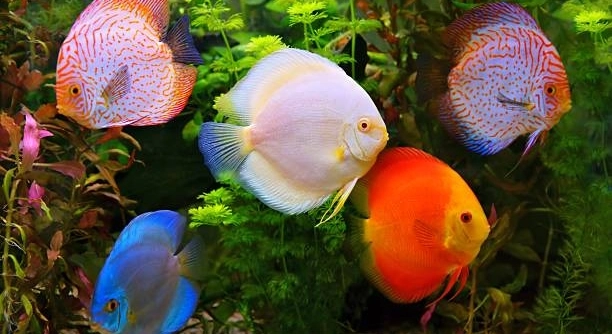
Transporting discus fish can be challenging, especially when considering the best methods to ensure their safety. Many hobbyists rely on traditional bagging techniques, but alternatives exist. Understanding proper transport practices helps protect these delicate fish during moves.
Transporting discus fish without bagging them is generally not recommended due to the risks of stress and injury. Using bags filled with water and oxygen provides a controlled environment that stabilizes water conditions and minimizes physical harm during transit.
Proper knowledge of transport methods will help ensure discus fish arrive healthy and stress-free. The following information outlines safe and effective alternatives to bagging.
Why Bagging Is the Most Common Method
Bagging discus fish is widely used because it offers a controlled environment during transport. The bag holds water that matches the tank’s temperature and chemistry, helping reduce stress. Oxygen is added to keep the fish breathing comfortably throughout the trip. Bags also limit movement, which prevents injury caused by sudden jolts or bumps. While it might seem simple, this method requires careful preparation to avoid leaks and to ensure the fish have enough oxygen.
Despite the simplicity, bagging needs attention to detail, including choosing the right bag size and sealing it properly. It also requires monitoring transport time to avoid prolonged confinement.
When prepared correctly, bagging helps maintain stable conditions that discus fish need. However, for some short trips or specific situations, other methods may work, but they usually involve extra equipment or experience to keep the fish safe.
Alternatives to Bagging
Transporting discus without bags often means using hard containers or tanks with stable conditions. These containers reduce the risk of leaks and can provide better support during travel.
This approach requires a reliable source of oxygen and careful control of temperature and water quality. For example, battery-operated air pumps and insulated containers can help maintain stable conditions. However, this method demands more preparation and monitoring. It is best suited for experienced keepers or short, controlled moves where the risk of stress is low.
Using rigid containers can reduce the risk of water spills and physical damage, but without the cushioning effect of bags, discus fish might still be vulnerable to shocks. Extra padding or foam may help reduce vibrations during transport.
Preparing Your Discus for Transport Without Bags
Before moving discus without bags, it is essential to prepare them properly. Start by reducing feeding 24 hours before the trip to minimize waste in the transport water. Perform a partial water change to ensure the water is clean and stable. Using water from their tank helps keep familiar conditions, reducing shock. Next, place the discus gently into the container filled with tank water, ensuring enough room to prevent overcrowding. If using an air pump, test it beforehand to confirm it works well during the trip. Finally, secure the container with insulation to maintain temperature. Proper preparation reduces stress and improves survival chances during transport without bags, but close monitoring remains necessary to address any issues quickly.
Risks of Transporting Discus Without Bags
Transporting discus without bags increases the chance of physical injury. Fish can be tossed around during travel, causing stress and damage to their fins or bodies. Without a flexible bag to absorb shocks, the risk of harm grows significantly.
The water quality can quickly deteriorate in rigid containers. Without the buffering effect bags provide, waste products accumulate faster, potentially causing toxic conditions. Temperature fluctuations are also harder to control, which can shock sensitive discus fish. Oxygen levels may drop unless supplemental aeration is used consistently.
Additionally, rigid containers often lack the ease of sealing that bags provide. This increases the risk of spills or leaks, which could be catastrophic during transport. Overall, these risks make bagless transport less reliable and more stressful for discus.
Equipment Needed for Bagless Transport
Using the right equipment is essential for transporting discus without bags. A sturdy container with a secure lid helps prevent spills and keeps fish contained safely. Insulation materials, like foam or towels, maintain a stable temperature during the trip, reducing stress on the fish.
An air pump or battery-operated aerator is necessary to provide adequate oxygen throughout transport. Water conditioners and test kits help monitor water quality before and after the move. Using a thermometer allows constant temperature checks to avoid dangerous changes.
Choosing these tools carefully will improve the success of bagless transport and minimize risks. Preparation and equipment quality greatly impact the fish’s health during travel.
Transport Time and Conditions
Keeping transport time short is crucial when moving discus without bags. The longer they stay in a confined space, the higher the stress and risk of water quality issues. Minimizing travel duration helps protect their health.
Temperature control is also vital. Sudden changes can shock discus fish, so using insulated containers or temperature packs keeps conditions stable throughout the trip.
Handling Stress During Transport
Stress weakens discus fish and makes them more vulnerable to disease. To reduce stress, avoid excessive handling and keep noise and movement to a minimum. Calm, steady driving also helps maintain a stable environment for the fish.
Post-Transport Care for Discus
After transport, acclimate discus slowly to their new environment. Gradually adjust the water temperature and chemistry to prevent shock. Observe fish closely for signs of stress or illness, providing a calm and quiet space to recover.
Common Mistakes to Avoid
Avoid overcrowding containers during transport. Too many fish in a small space increases stress and waste buildup, harming water quality. Use appropriate-sized containers for each fish.
FAQ
Can discus fish be transported without bags safely?
Transporting discus fish without bags is possible but not generally recommended for most situations. It requires careful preparation, proper equipment, and experience to maintain water quality, temperature, and oxygen levels. Without bags, fish are more vulnerable to injury and stress, so extra caution is essential.
How do I maintain oxygen levels without using a bag?
Maintaining oxygen requires using an air pump or battery-operated aerator during transport. These devices help keep oxygen circulating in the water, preventing suffocation. Sealed containers without adequate aeration can quickly deplete oxygen, so adding a reliable air source is critical for safe travel.
What type of container is best for bagless transport?
A sturdy, rigid container with a secure lid is best. It should be large enough to give discus room to move but small enough to keep water stable. Insulation around the container helps keep temperature consistent, and padding can reduce vibrations that might stress the fish during transit.
How long can discus safely stay in a transport container without bags?
Transport time should be as short as possible, ideally under two hours. Longer trips increase the risk of water quality deterioration and stress. If longer travel is necessary, frequent monitoring and oxygen supplementation become even more important to protect the fish.
Is temperature control more difficult without bags?
Yes, temperature control can be harder without bags. Bags provide some insulation, while rigid containers need additional materials like foam or thermal wraps to maintain temperature. Sudden temperature changes can shock discus, so stable conditions are vital during transport.
Can I feed discus before transport?
It’s best to avoid feeding discus 24 hours before transport. This reduces waste production inside the container, helping keep water cleaner. Feeding right before travel can lead to poor water quality, increasing stress and health risks.
What should I do immediately after transport?
After transport, acclimate discus slowly to their new tank’s water. Use the drip method or gradual mixing to prevent shock. Keep the tank quiet and avoid sudden changes in light or temperature to help the fish recover from stress.
Are there any risks specific to bagless transport?
Yes, risks include physical injury from lack of cushioning, rapid water quality changes, oxygen depletion, and temperature fluctuations. These factors can cause severe stress or even death if not managed properly. Extra attention and preparation are required to minimize these risks.
Can I reuse the same water for transport?
Using water from the discus’ home tank can reduce shock by keeping familiar conditions. However, it must be clean and free from contaminants. Avoid using water that has been sitting for too long or has high waste levels, as this can harm the fish during transport.
How do I reduce stress during transport without bags?
Minimize noise, sudden movements, and handling. Secure the container to prevent tipping or excessive shaking. Driving smoothly and avoiding bumps helps maintain a calm environment. Keeping the transport time short also lowers stress levels.
What if the discus shows signs of illness after transport?
Isolate the fish if possible and observe for symptoms like lethargy, loss of appetite, or unusual swimming. Promptly test water quality and perform partial water changes if needed. Consulting a vet or experienced aquarist can help address health issues early.
Is it ever better to transport discus without bags?
In some cases, such as very short moves within the same facility or when bags are not available, using containers without bags can work. However, this requires careful control of conditions and is generally not recommended for long or complex transport situations.
Transporting discus fish without bagging them can be done, but it requires careful planning and preparation. The risks involved, such as stress, injury, and changes in water quality, are significant if not managed properly. Using rigid containers instead of bags means you must pay close attention to oxygen levels, temperature stability, and the physical safety of the fish during transport. Without the cushioning and oxygen buffering that bags provide, discus fish are more vulnerable to sudden shocks and environmental changes. These factors make bagless transport a more complex option that is best suited for experienced keepers or very short trips.
Proper equipment plays a key role in reducing risks during bagless transport. Containers should be sturdy, well-sealed, and insulated to maintain stable water temperature. Supplemental aeration using air pumps or battery-operated devices is necessary to keep oxygen levels adequate throughout the trip. Handling the discus gently, limiting transport time, and minimizing sudden movements are also important steps to keep stress levels low. Preparing the fish by reducing feeding before the move and acclimating them slowly afterward supports their health as well. Attention to these details helps improve the chances of a safe, successful transport without bags.
While bagging remains the most common and reliable method for moving discus, alternatives exist that can work under the right conditions. It is important to weigh the benefits and risks carefully before deciding on a bagless transport method. Taking the time to prepare, use the right equipment, and monitor the fish closely throughout the process will help protect discus health. Each transport situation is unique, so adjusting the approach based on travel distance, fish condition, and available resources is necessary. With proper care and planning, discus fish can be moved safely, whether using bags or alternative methods.

Hello,
If you enjoy the content that we create, please consider saying a "Thank You!" by leaving a tip.
Every little bit helps us continue crafting quality advice that supports the health, happiness, and well-being of pets around the world, for pets of all shapes, sizes, and species.
We really appreciate the kindness and support that you show us!