
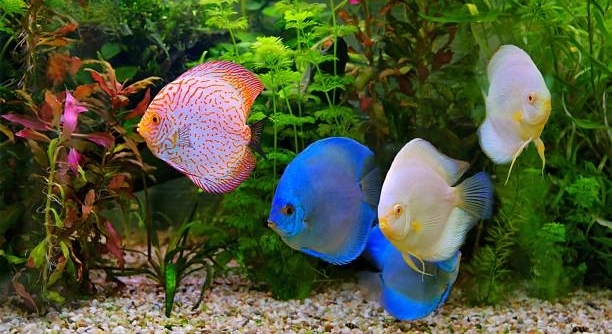
Are your discus fish acting differently, refusing food, or showing strange markings that weren’t there before? These signs can be easy to miss if you’re not sure what to look for in a healthy aquarium.
The most common signs that your discus has a parasite problem include rapid breathing, white feces, weight loss, color changes, and flashing behavior. These symptoms are often linked to internal or external parasites requiring prompt treatment.
Learning what to watch for can make a big difference in how quickly you catch a problem. Your discus relies on you for a clean, safe, and healthy home.
Sign #1: Loss of Appetite
When your discus suddenly stops eating or shows very little interest in food, this is often one of the first signs of a parasite problem. Healthy discus are usually eager to eat, especially during feeding times. If your fish is avoiding food or spitting it out, something might be wrong. Internal parasites, such as hexamita, can irritate the digestive tract, making it uncomfortable for your discus to eat. Over time, this can cause visible weight loss, hollow bellies, and overall weakness. Observing their eating patterns daily can help you catch this sign early. Also, keep an eye on how the fish behaves around food—it might approach it and then back away, which can be a sign of discomfort. Make sure you are feeding fresh, high-quality food and not overfeeding, as leftover food can increase the risk of disease. Loss of appetite should never be ignored, especially when paired with other symptoms.
Weight loss and food avoidance usually happen together, and both are strong signs that your discus needs help. Watch for these changes closely.
Some owners may think the fish is just being picky or shy, but ignoring this symptom can delay needed care. Acting fast can prevent things from getting worse.
Sign #2: White or Stringy Feces
This type of waste is a clear sign something may be wrong. Healthy discus feces should be dark and sink quickly.
Discus that consistently pass white or stringy feces are often dealing with internal parasites like protozoa or worms. These parasites irritate the intestines and cause the waste to lose its normal texture and color. You may also see the fish becoming more sluggish or staying away from others. White feces are not just a small issue—they often mean the fish is not absorbing nutrients. Even if the discus seems active or is still eating a little, these parasites can continue to damage its system over time. Treatment usually includes medicated food or specific parasite treatments added to the water, but it’s important to identify the exact cause first. Water quality should also be checked, as poor conditions can make the problem worse or slow down recovery. Regular observation helps catch this sign early.
Sign #3: Scratching or Flashing Behavior
Discus may rub their bodies against objects like plants, rocks, or the tank walls when irritated by parasites. This is called flashing and usually means the fish is trying to relieve itching caused by gill or skin parasites.
Flashing often looks like a sudden dart followed by a scrape against the surface. It can happen once or several times a day. When parasites invade the gills or skin, they make the discus uncomfortable, causing this behavior. It’s especially common with flukes or external protozoa. You might also notice the discus staying near the filter intake or areas with more oxygen, which may suggest gill irritation. Not every scratch is a problem, but frequent flashing is a warning sign. Avoid confusing it with normal swimming. If you see this along with other signs like color change or labored breathing, it’s best to isolate the fish and start a proper treatment.
Treatments depend on the type of parasite, so it’s important to observe other symptoms before choosing medication. Water parameters should be tested, as poor quality often makes the issue worse. A clean tank, regular monitoring, and gentle handling can all help your discus feel better and reduce the stress that allows parasites to spread.
Sign #4: Labored or Rapid Breathing
When discus breathe rapidly or struggle to breathe, it’s usually a response to gill parasites or poor water conditions. Gill flukes, in particular, can cause swelling and irritation, making it hard for the fish to get enough oxygen.
You might notice your discus hanging near the water’s surface or close to the filter outflow, trying to find more oxygen-rich areas. The gill movement will look faster than normal, almost like panting. These symptoms often show up before other signs, especially in newer fish or after recent changes in the tank. Rapid breathing may also mean the parasites are multiplying fast, so the fish is reacting to worsening irritation. Look for pale or inflamed gills as additional clues. Be cautious when adding new fish without quarantining them first, as that’s a common way these parasites spread. In many cases, improving water quality and reducing stress can slow the infection, but medication is often needed.
Sign #5: Color Changes or Dull Appearance
Discus with parasites may lose their bright colors or develop a faded, patchy look. This happens when the fish becomes stressed or weak from the infection, especially during early stages.
A healthy discus should have vibrant, even coloring. If yours looks dull or pale, it’s worth paying attention.
Sign #6: Clamped Fins
Clamped fins are when a discus holds its fins close to its body, rather than spreading them out normally. This is a classic sign of stress and discomfort. Parasites, especially internal ones, can lead to this behavior as the fish becomes more sluggish. You might also notice the fish isolating itself or hovering in one spot for long periods. Clamped fins often appear alongside other symptoms like color loss or rapid breathing. It’s a good idea to test the water and observe any other changes before beginning treatment. Clean water, lower stress, and timely action can improve the chances of recovery.
Sign #7: Staying Isolated
Discus are social fish, so a healthy one usually swims with the group. If one fish hides or stays away, something could be wrong.
FAQ
How do discus fish get parasites in the first place?
Parasites can enter the tank in several ways. The most common source is introducing new fish without quarantining them. Even healthy-looking fish can carry parasites. Live foods, like tubifex worms or brine shrimp, are another risk if not properly cleaned or sourced. Contaminated plants, equipment, or water from other tanks may also bring in unwanted organisms. Parasites multiply quickly in warm, crowded tanks with poor water conditions, so keeping the tank clean and stable is key. Regular maintenance, water changes, and quarantining new arrivals can go a long way in preventing infections from starting.
Can discus recover from a parasite infection?
Yes, discus can recover if the infection is caught early and treated properly. Success depends on how fast you recognize the signs and how advanced the problem is. Treatments usually include medicated food, water treatments, or baths, depending on the type of parasite. It’s important to follow dosage instructions carefully and complete the full course. Removing carbon from the filter during treatment helps the medication stay effective. Alongside treatment, improving water quality and reducing stress in the tank gives your fish a better chance at recovery. Many discus return to full health if care is given in time.
Is it safe to treat the whole tank?
It’s common to treat the entire tank when multiple fish are affected, especially with external parasites or if the infection is spreading fast. However, if only one fish is showing symptoms, isolating it in a quarantine tank might be a safer option. Some medications can harm beneficial bacteria in your filter or stress sensitive tank mates. Always read product instructions and research compatibility before adding any treatment. In tanks with plants or invertebrates, check that the medication won’t harm them. When unsure, consult a vet or a trusted aquarium expert to decide the best course of action.
How long should I quarantine new fish?
A quarantine period of 2 to 4 weeks is recommended before introducing new discus to your main tank. During this time, observe the new fish for signs of illness, such as white feces, clamped fins, or flashing. Treat them with a general parasite medication if you’re unsure about their health status. Keeping new arrivals in a separate tank helps stop parasites from spreading to healthy fish. Even when fish appear fine, they can carry hidden infections that only show up later. Quarantining is one of the best ways to protect your main tank and avoid future problems.
Can I use salt to treat parasites in discus?
Salt can help in mild cases, especially with external parasites like ich. However, discus are sensitive to salt, so you must be careful with the dosage. Use aquarium salt, not table salt, and dissolve it fully before adding it to the tank. Salt baths (short dips in a separate container) are sometimes used for skin issues, but this should be done cautiously and only if you know the proper procedure. Salt won’t help much with internal parasites, which usually need specific medication. Always monitor your fish closely during any salt treatment to make sure they’re tolerating it well.
What are common parasite medications for discus?
Some commonly used medications include metronidazole for internal parasites like hexamita, praziquantel for flukes and tapeworms, and formalin-based treatments for external protozoa. These can come in liquid, powder, or food form. Choose the type that matches the parasite you’re dealing with. Not all medications are safe to use together, so don’t mix products unless the label says it’s okay. If you’re unsure of the diagnosis, start with a broad-spectrum parasite treatment. Always remove activated carbon from your filter before treatment and follow the dosing instructions exactly to avoid harming your fish or beneficial bacteria.
How can I tell if treatment is working?
You should start to see signs of improvement within a few days. Appetite may return, breathing will slow down, and the fish may become more active. Feces should look more normal, and color may improve gradually. If the fish continues to show symptoms after a full treatment cycle, a second round may be needed, or the diagnosis might need to be adjusted. Make sure water quality is good, as poor conditions can slow recovery. If you don’t see any changes, consult a vet or experienced aquarist to reevaluate the treatment or consider lab testing.
Final Thoughts
Caring for discus fish means paying close attention to their behavior, eating habits, and overall appearance. These fish are sensitive and often show subtle signs when something is wrong. Parasite problems can develop quickly and affect their health in many ways, but they are often treatable if caught early. Knowing what to look for—like white feces, rapid breathing, or loss of color—can help you take action before things get worse. Watching your fish every day, even just for a few minutes, can make a big difference. It allows you to notice any changes that may signal the start of a problem.
Keeping the tank clean, maintaining proper water parameters, and quarantining new fish are all important steps in preventing parasite outbreaks. Many infections come from outside sources like new tank mates, live food, or contaminated equipment. By staying consistent with tank maintenance and using good habits when adding anything new, you reduce the risk of introducing harmful parasites. Don’t rush the process when setting up or managing your discus tank. These fish need a calm, steady environment to thrive, and any major changes can lead to stress that makes them more likely to get sick. Simple routines like regular water changes and filter cleaning help create a stable, safe space.
Parasite problems are frustrating, but they’re something many discus owners face at some point. What matters most is how you respond. Taking action quickly, using the right treatment, and giving your fish time to recover will lead to better results. Be patient during the healing process, and don’t expect overnight improvement. Recovery may take days or even weeks, depending on the severity of the issue. Remember, it’s okay to ask for help if you’re not sure what’s wrong. There are many resources, from experienced aquarists to vets, that can guide you. Caring for discus is a learning experience, and each problem you face teaches you more about how to keep them healthy in the future.

Hello,
If you enjoy the content that we create, please consider saying a "Thank You!" by leaving a tip.
Every little bit helps us continue crafting quality advice that supports the health, happiness, and well-being of pets around the world, for pets of all shapes, sizes, and species.
We really appreciate the kindness and support that you show us!