
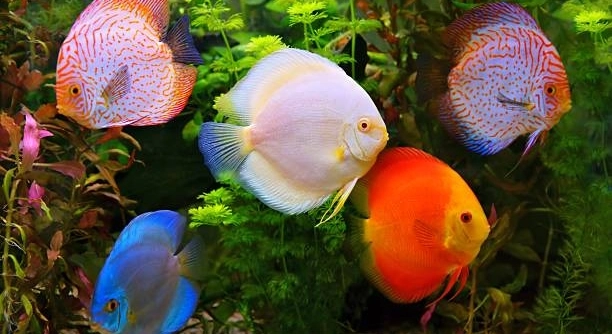
Many discus fish owners aim to create the best living space for their aquatic pets. A stable environment is key to helping discus thrive and stay healthy. Knowing the signs of stability can improve your care routine.
A stable environment for discus is characterized by consistent water parameters, balanced nutrition, minimal stress, and proper tank maintenance. These factors together ensure the fish remain healthy and exhibit natural behavior over time.
Recognizing these signs early will help maintain your discus tank’s health and prevent common problems that could affect your fish’s well-being.
Consistent Water Quality
Maintaining consistent water quality is essential for discus fish to thrive. Fluctuations in temperature, pH, or ammonia levels can stress the fish and lead to illness. Regular testing helps catch changes before they become harmful. Keeping the water clean by performing scheduled water changes also supports stability. Using a good filtration system reduces waste buildup and keeps the environment safe. Stable water parameters mean the fish can focus on growing and staying healthy instead of coping with stress. It’s important to avoid sudden changes in water chemistry, which can shock discus and weaken their immune system. Over time, stable water conditions encourage natural behavior like feeding and breeding.
Water testing kits and proper filtration are tools that support water consistency and fish health.
Watching your discus adjust calmly to their surroundings signals the water quality is steady. This consistency is the foundation of a healthy aquarium environment.
Balanced Nutrition and Feeding
Providing balanced nutrition is another key factor in a stable environment. Discus require a diet rich in protein, vitamins, and minerals to maintain their vibrant colors and energy levels. Overfeeding or underfeeding can cause health issues and water pollution. Feeding small amounts multiple times a day ensures the fish get enough nutrients without overwhelming the tank with excess food. A varied diet, including high-quality pellets, frozen, or live foods, helps meet their nutritional needs.
Balanced nutrition supports discus immune systems and overall vitality.
Feeding discus a proper diet not only keeps them healthy but also improves their resistance to stress and disease. Proper feeding schedules reduce waste buildup, which helps maintain water quality. Consistency in diet supports regular activity and growth, making it easier to spot any changes in behavior or health. Careful attention to nutrition plays a big role in creating a stable and thriving aquarium environment.
Low Stress Levels
Low stress is essential for discus health. Stress weakens their immune system and can lead to disease. Keeping the environment calm helps discus feel secure and comfortable.
Stress in discus is often caused by sudden changes, overcrowding, or aggressive tank mates. Maintaining peaceful tank conditions reduces these risks. Using gentle filtration and avoiding loud noises near the tank also help keep stress low. Watching for signs like hiding or loss of appetite can alert you early to stress.
Creating a calm environment encourages natural behavior and better health. When discus feel safe, they swim freely and interact positively with each other. Stable conditions also make it easier to spot any health issues quickly, improving overall care.
Proper Tank Maintenance
Proper tank maintenance ensures a healthy home for discus. Regular cleaning removes harmful buildup and keeps water clear. It also prevents toxins from affecting the fish.
Cleaning the tank involves partial water changes, gravel vacuuming, and filter checks. Changing about 25% of the water weekly helps maintain stable water parameters. Removing uneaten food and debris prevents ammonia spikes, which can harm discus. Filters should be cleaned carefully to avoid killing beneficial bacteria that support water quality. Monitoring equipment regularly keeps everything working smoothly. A well-maintained tank reduces stress and disease risks.
Staying consistent with maintenance routines makes discus care less overwhelming. It supports a stable, healthy environment where your fish can thrive and show their natural beauty.
Stable Temperature
Maintaining a stable temperature is crucial for discus well-being. Sudden changes can cause stress and weaken their immune system.
Ideal temperatures for discus range between 82°F and 86°F. Using a reliable heater and thermometer helps keep the temperature steady, avoiding harmful fluctuations.
Proper Tank Size
A proper tank size allows discus enough space to swim comfortably and reduces territorial stress. A larger tank also helps maintain stable water conditions.
For a group of discus, a minimum of 50 gallons is recommended. Bigger tanks support better water quality and provide room for plants and hiding spots, improving overall stability.
Compatible Tank Mates
Choosing compatible tank mates prevents stress and aggression. Avoid fin-nippers or overly active fish that disturb discus. Peaceful species like tetras or corydoras usually coexist well.
Keeping compatible fish helps maintain a calm, balanced environment where discus can thrive without constant stress or competition.
What is the ideal water temperature for discus?
The ideal water temperature for discus ranges from 82°F to 86°F (28°C to 30°C). Keeping the temperature stable within this range supports their metabolism and immune system. Sudden temperature changes can cause stress, so using a quality heater and thermometer is important to maintain consistent warmth.
How often should I change the water in my discus tank?
Performing regular water changes is key to a stable environment. Changing about 25% of the water once a week is a good practice. This helps remove waste and toxins that build up, keeping water parameters stable and safe for discus. Avoid large water changes at once, as that can shock your fish.
What kind of filtration system works best for discus?
A filtration system that offers biological, mechanical, and chemical filtration is ideal. Biological filtration supports beneficial bacteria that break down harmful substances. Mechanical filtration removes debris, while chemical filtration helps clear impurities. Choosing a gentle filter avoids strong currents that can stress discus, who prefer calm water.
How do I know if my discus is stressed?
Signs of stress include hiding more than usual, loss of appetite, faded colors, rapid breathing, and erratic swimming. Stress weakens their immune system, making them vulnerable to illness. When you notice these behaviors, check water quality and tank conditions immediately to find and fix the problem.
Can discus live with other fish?
Yes, discus can live with peaceful, non-aggressive fish. Suitable tank mates include tetras, corydoras, and dwarf cichlids. Avoid fin-nipping or territorial fish that may cause stress or injury. Properly choosing tank mates helps maintain a calm and balanced aquarium environment.
What should I feed my discus?
Discus need a varied diet rich in protein, vitamins, and minerals. High-quality pellets designed for discus, frozen or live foods like bloodworms, brine shrimp, and beef heart are good options. Feeding small amounts several times a day ensures they get proper nutrition without overfeeding, which can pollute the tank.
How big should my discus tank be?
A minimum tank size of 50 gallons is recommended for a small group of discus. Larger tanks provide more stable water conditions and room for swimming. Proper space reduces territorial aggression and stress, making it easier to maintain a healthy environment.
Why is water pH important for discus?
Discus prefer slightly acidic to neutral water with a pH between 6.0 and 7.0. Stable pH helps their biological processes function properly. Sudden pH changes can cause stress and harm their health. Regular testing and gentle adjustments help keep pH stable.
How can I reduce algae growth in my discus tank?
Controlling light exposure, avoiding overfeeding, and keeping the tank clean help reduce algae growth. Using live plants can compete with algae for nutrients. Algae eaters like certain snails or fish can also help maintain balance, but they should be compatible with discus.
What is the best way to introduce new discus to an established tank?
Quarantine new discus in a separate tank for at least two weeks to check for diseases. When introducing them to the main tank, do it slowly by floating the bag in the tank to equalize temperature. Gradually mix tank water into the bag before releasing the fish to reduce stress and prevent shock.
Creating a stable environment for discus fish takes careful attention and consistency. These fish are sensitive to changes, so keeping water quality, temperature, and nutrition steady is very important. Regular maintenance and monitoring help prevent problems before they start. When discus live in a balanced and calm tank, they stay healthier and show their natural colors and behavior. Stability in their environment means less stress, which reduces the chance of illness and promotes longer lives.
A good discus tank requires patience and effort. Feeding the right diet, providing enough space, and choosing peaceful tank mates all contribute to a stable home. Avoiding sudden changes, whether in water parameters or tank setup, helps discus adjust smoothly to their surroundings. Small steps like regular water testing and gentle cleaning routines make a big difference. Over time, these habits build a reliable environment that supports discus well-being and growth.
Taking care of discus fish can be very rewarding. Seeing them thrive and display their beautiful patterns is a sign that the tank conditions are right. Remember, consistency is the key. By paying close attention to water quality, nutrition, and stress levels, you can create an aquarium where discus live comfortably and happily. This stable environment not only benefits the fish but also makes caring for them easier and more enjoyable.

Hello,
If you enjoy the content that we create, please consider saying a "Thank You!" by leaving a tip.
Every little bit helps us continue crafting quality advice that supports the health, happiness, and well-being of pets around the world, for pets of all shapes, sizes, and species.
We really appreciate the kindness and support that you show us!